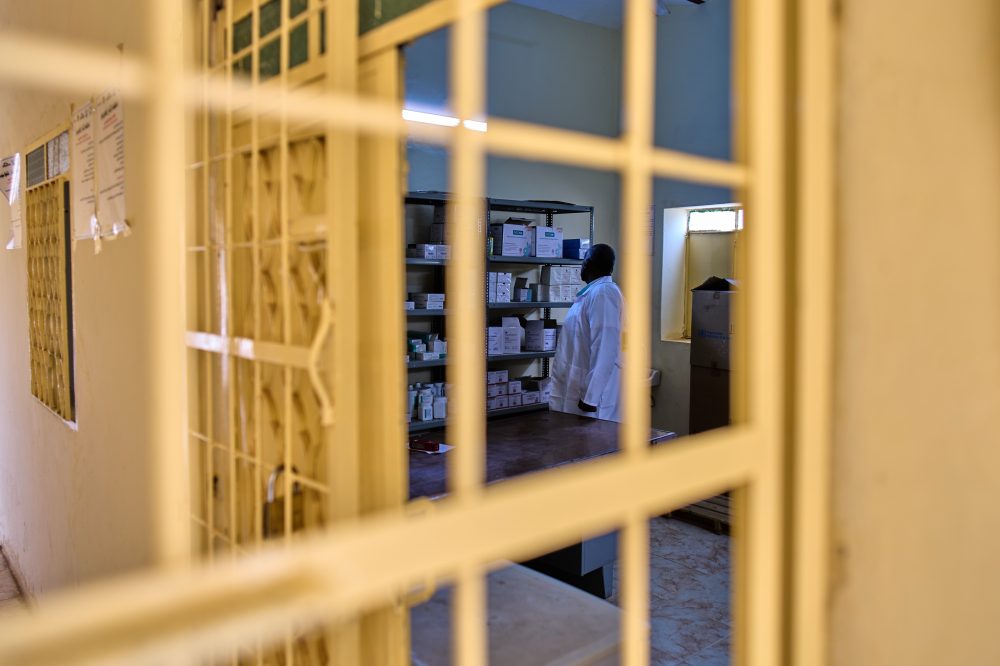

QOZ NAFISA, Sudan — Abbas Awad has always faced difficulties obtaining medications in his village near Sudan’s capital city. However, the conflict in Iran has created additional obstacles, driving up costs and leaving local pharmacies without adequate inventory.
The current Middle Eastern conflict is creating widespread consequences, particularly affecting nations already dealing with their own internal wars.
Following three years of civil conflict in Sudan, a public health facility in Qoz Nafisa village within Khartoum state is working to serve thousands of residents, including 61-year-old Awad.
Awad explained that he has been rationing his glaucoma medication, concerned about finding replacement supplies or being able to pay for them. Financial constraints were already a concern due to the domestic conflict, he noted.
“Now we have the problem of the war in the Middle East. It’s just made things worse,” he said.
Humanitarian organizations report that the Iranian conflict has blocked critical shipping pathways, disrupting their capacity to deliver food and medical supplies to millions of people worldwide who need assistance. The tension between the United States and Iran has effectively closed the Strait of Hormuz, while other shipping lanes from key locations like Dubai have also been affected.
Shipping expenses have increased dramatically due to higher fuel costs and insurance premiums, further hampering supply delivery efforts. The United Nations reports cost increases of up to 20% for shipments, accompanied by delays as cargo is redirected through alternative routes.
The International Rescue Committee, which assists the medical facility where Awad receives some of his treatments, reported that approximately $130,000 worth of pharmaceutical products destined for Sudan remained stuck in Dubai for several weeks and is only recently reaching its destination.
According to the IRC, medical supplies including antibiotics, pain medications, and stethoscopes that were scheduled for air transport from the United Arab Emirates to Port Sudan were instead sent overland to nearby Oman before being flown to their final destination.
President Donald Trump extended the temporary ceasefire with Iran this week, though humanitarian groups remain concerned that conditions will not improve significantly.
“There’s still a real lag in the system. Shipments remain blocked or delayed, and that’s deeply worrying,” said Madiha Raza, associate director for global public affairs and communications for IRC.
Sudan has been widely recognized as experiencing the world’s most severe humanitarian emergency, and Raza emphasized that any postponement in delivering food, medicine, and fuel creates catastrophic impacts.
The approximately 5,000 residents who depend on the IRC-supported public health clinic in Qoz Nafisa must now seek care at other facilities and pay out-of-pocket expenses they frequently cannot afford.
When AP reporters visited on Wednesday, clinic personnel reported struggling to meet patient needs since the Iranian conflict began in late February.
Dr. Amira Sidig, the facility’s medical director, stated that the most recent IRC shipment arrived in December. Expected deliveries in February and April have not materialized.
While Sudan’s health ministry attempts to address the shortage, it only provides half of what is required, Sidig explained.
“It’s never enough because they also have a shortage, and we’re again out of stock quickly,” she said.
Sidig noted that for multiple days this month, the clinic lacked malaria treatments for the 50% of patients who arrive with the disease.
Ahmed Ibrahim, a clinic employee, described growing patient frustration.
“When people come to the window, they say, ‘Why are you here and there is no medicine?’”