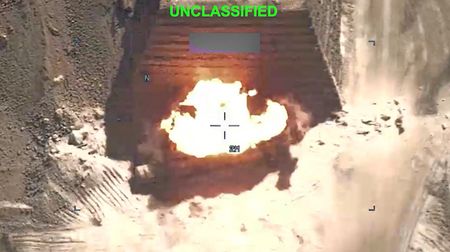

Weekend military strikes involving the United States, Israel and Iran have financial analysts warning of potential widespread market disruption and rising oil costs that could affect consumers across the globe.
The military action has created anxiety among oil-producing nations in the Gulf region as concerns about broader conflict intensify. Iran responded to the strikes by firing missiles toward Israel.
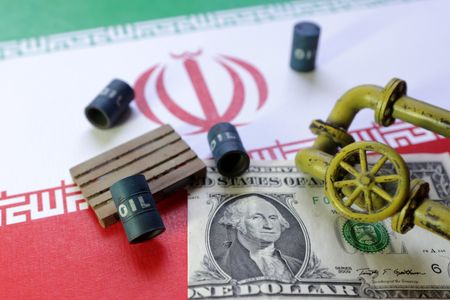
Energy markets are particularly vulnerable given Iran’s role as a significant oil producer and its location across from major oil-producing Arab nations near the Strait of Hormuz. This critical waterway handles approximately one-fifth of the world’s oil transportation.
The potential for supply disruptions has already had immediate effects. Trading sources reported Saturday that several major oil companies and trading firms have halted crude oil and fuel shipments through the Strait of Hormuz following the attacks.
Brent crude was trading around $73 per barrel on Friday, representing a 20% increase for the year. William Jackson from Capital Economics suggests that even limited conflict could push Brent prices to approximately $80, matching levels seen during Iran’s 12-day conflict last June.
Extended fighting that disrupts supply chains could drive oil costs toward $100 per barrel, Jackson noted in his analysis. Such an increase might boost global inflation by 0.6 to 0.7 percentage points.
Market instability extends beyond energy sectors. Global financial markets have already experienced significant swings this year due to trade policy changes and technology sector declines. The VIX volatility measure has climbed one-third this year, while U.S. bond volatility indicators show a 15% increase.
Currency fluctuations are also anticipated. During June’s conflict, the dollar index dropped roughly 1%, though it recovered within several days. CBA analysts noted that the extent of currency movement will depend on conflict duration and scope.
“In current circumstances, the size of the fall will depend on how large and how long-lasting the conflict is expected to be,” CBA analysts stated in their recent assessment.
“If the conflict was long-lasting and disrupted oil supplies, we expect the U.S. dollar would lift against most currencies except Japanese yen and Swiss franc. The U.S. is a net energy exporter and so benefits from higher oil and gas prices that would result from disrupted oil supply.”
Israel’s currency faces particular pressure following Iran’s quick retaliation Saturday. The shekel declined 5% during June’s conflict and showed similar reactions after previous regional incidents in 2024. While past episodes were temporary with quick recoveries, JPMorgan suggests this situation could differ if conflict persists.
“This would especially be the case if confrontation with Iran also triggers more intensive operations against Iran’s proxies,” the financial institution warned.
Safe-haven investments are experiencing increased demand. The Swiss franc, traditionally sought during uncertain times, has gained 3% against the dollar this year and faces additional upward pressure that concerns the Swiss National Bank.
Gold continues its record performance with 22% gains in 2026, while silver maintains strong momentum. U.S. Treasury bonds are also attracting investors as yields decline. However, bitcoin has fallen 2% Saturday and lost over 25% of its value in two months, no longer viewed as a safe investment.
Middle Eastern stock markets opening Sunday, including those in Saudi Arabia and Qatar, will provide early indicators of investor confidence. These markets typically mirror oil price movements, but escalating conflict could create broader economic ripple effects.
Ryan Lemand of Neovision Wealth Management expects market declines if hostilities continue. “I suspect markets will be down if these hostilities continue through the day,” he said, predicting potential 3-5% drops in Gulf equity markets depending on conflict scale.
Saudi Arabia’s primary stock index has already declined 1.3% over five days through Thursday, marking its second straight week of losses. Dubai’s main market also fell during recent weeks.
International airlines canceled Middle East flights Saturday, and aviation stocks may face pressure if conflict spreads and forces additional airspace restrictions. Conversely, European defense contractors, already up 10% this year, could see increased demand for their products.