
GENEVA — While luxury timepieces are making a comeback, the ongoing Middle East conflict is casting uncertainty over the high-end watch market as Geneva prepares for its most important industry gathering.
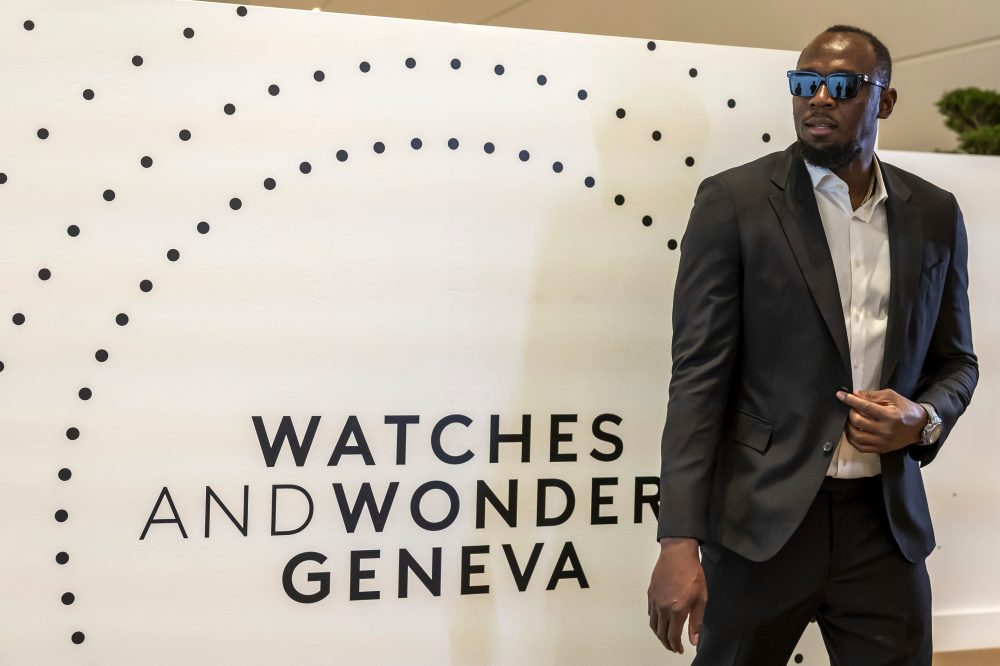
Beginning Tuesday, the Swiss city will welcome thousands to the “Watches and Wonders” exhibition, the industry’s premier annual event. The timing comes as watchmakers hope to recover from two consecutive years of declining sales, particularly in the wealthy Gulf Arab nations.
However, the military conflict between the United States, Israel and Iran that started February 28th has created ripple effects throughout the global economy. Energy costs have surged, fertilizer shipments have stalled, and air travel has faced disruptions — all impacting the luxury timepiece sector.
Rising costs for precious metals including gold and silver, combined with President Trump’s Liberation Day tariffs from last year, had already created market pressures before the current crisis emerged.
Fresh inflationary concerns and weakening consumer sentiment are now adding additional challenges to an industry worth tens of billions annually.
Philippe Pegoraro, chief economist at the Federation of the Swiss Watch Industry, explained that official March export data won’t be available until month’s end.
“At this point, we’re expecting a sharp drop” due to both shipping complications and declining demand, Pegoraro explained.
While buyers in the United Arab Emirates continue making purchases, tourist spending at locations like Dubai’s airport has suffered following Iranian attacks on the nation, according to Pegoraro.
“Rebuilding confidence is going to take some time,” he noted.
The exclusive trade show features 65 participating brands from across the globe, representing just a fraction of Switzerland’s 450 watchmaking companies. Organizers anticipate approximately 60,000 attendees.
A February report from Morgan Stanley and LuxeConsult revealed Swiss watch exports fell 1.7% in value during the previous year, marking the industry’s second consecutive annual decline.
“When you look back at a year ago, the sort of theme was: The tariffs and the uncertainty,” industry analyst Ming Liu observed. “Unfortunately, we aren’t anywhere closer to certainty, probably even less with what’s happening in the Middle East.”
“That’s obviously going to have a cloud over Watches and Wonders,” she added. “But it has a cloud over everything, right?”
Like other luxury sectors, market dominance is concentrating among top brands. Four Swiss companies — Rolex, Cartier, Patek Philippe and Omega — control more than half the total Swiss retail market share.
The ultra-premium segment continues expanding, with handmade timepieces costing over 50,000 francs ($63,000) representing 37% of total Swiss export value last year, up from 33.5% in 2024.
Swiss-manufactured watches dominate approximately 96% of the global luxury timepiece market, defined as pieces retailing for at least 2,000 francs ($2,200).
Japan’s Grand Seiko emerged as the “most credible non-Swiss challenger” while India’s Titan is pursuing top-tier status, according to the Morgan Stanley analysis.
The Swiss industry weathered significant challenges last year when Trump implemented severe U.S. tariffs reaching 39% — the steepest imposed on any developed Western nation.
Swiss business leaders visited the White House in November, presenting Trump with gifts including a Rolex timepiece. The following month, an agreement was reached substantially reducing U.S. tariffs on Swiss products.