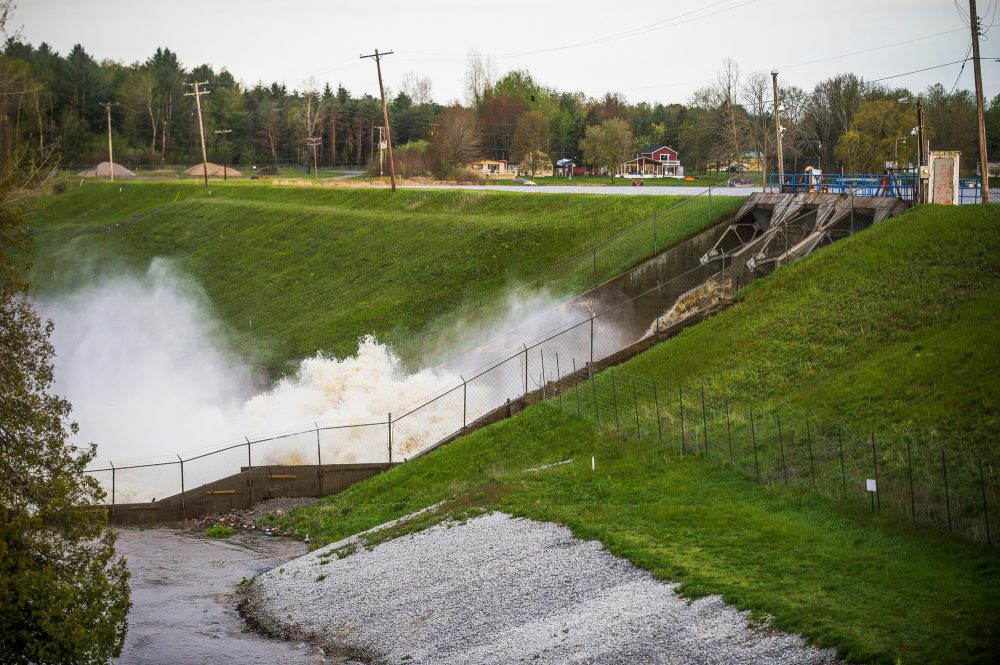

A Michigan court has dismissed the state from a major lawsuit stemming from a catastrophic 2020 dam collapse that devastated communities and left more than 100 homes destroyed while draining a beloved recreational lake.
Court of Claims Judge James Redford ruled Thursday that while he recognizes the “real and lasting damages” caused by the Edenville Dam catastrophe, the disaster resulted from continuous heavy rainfall and an extraordinary century-level flood event in the Midland region, rather than state-approved water levels at Wixom Lake.
The judge referenced expert testimony indicating that reducing the lake’s water level prior to the incident would likely not have averted the tragedy.
“This does not mean that what plaintiffs suffered and continue to suffer is not an immensely difficult and heavy burden,” Redford wrote in his comprehensive 100-page decision following a January trial held in Grand Rapids.
Legal representatives for thousands of affected residents had filed suit against Michigan, alleging that choices made by state environmental officials played a role in the dam’s failure and harmed both property values and residents’ ability to enjoy Wixom Lake, located 150 miles northwest of Detroit.
Had Judge Redford sided with the property owners, the litigation would have proceeded to determine monetary damages. Attorneys involved in the case have not yet responded to requests for comment.
The judge rejected comparisons made by plaintiff attorneys between this dam failure and the 2014-15 Flint water contamination crisis, where state actions directly caused lead contamination in the water supply system.
The privately-operated dam along the Tittabawassee River generated hydroelectric power until federal authorities revoked its operating license in 2018. The reservoir created by the dam forms Wixom Lake. When the collapse occurred, the dam was being transferred to local residents’ control, unleashing a massive water surge that also overwhelmed the nearby Sanford Dam downstream and inundated Midland.
Water levels climbed more than 5 feet beyond normal and reached 3 feet higher than the previous record set in 1929. The eastern soil embankment of the dam became unstable and failed under the pressure. Restoration efforts for Wixom Lake are currently underway.
The Federal Energy Regulatory Commission commissioned an investigation into the failures at both Edenville and Sanford dams. Their 2022 findings concluded the disaster was “foreseeable and preventable” but could not be “attributed to any one individual, group or organization.”