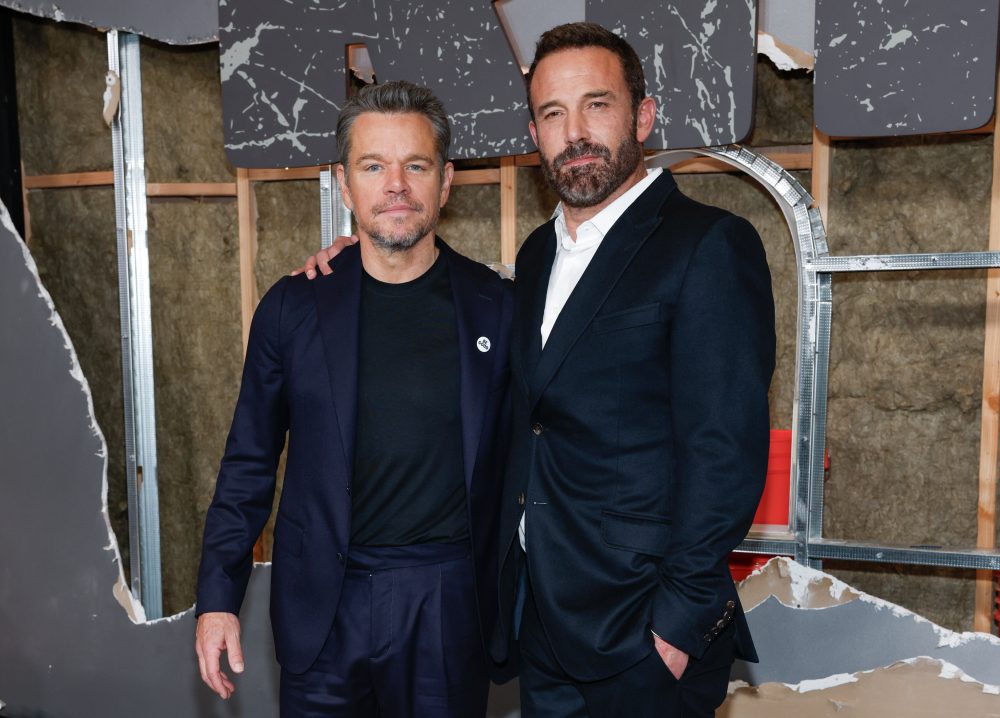

Two Miami-Dade police sergeants have taken legal action against the production company owned by Hollywood stars Ben Affleck and Matt Damon, alleging their Netflix action film incorporated excessive real-world elements that damaged the officers’ standing both personally and professionally.
Sergeants Jason Smith and Jonathan Santana filed their defamation case in Miami’s federal courthouse this month, targeting Artists Equity, the film production business operated by the Academy Award-winning actors. While the court documents don’t specify a monetary amount being sought, the civil action requests compensatory and punitive damages, legal costs, and demands a public correction and retraction.
The Netflix thriller depicts Affleck and Damon portraying South Florida law enforcement officers who discover millions in cash during a house search. The movie draws inspiration from an actual 2016 incident where authorities uncovered more than $21 million connected to suspected marijuana trafficking operations at a Miami Lakes residence.
When contacted by The Associated Press on Monday, legal representation for Artists Equity refused to provide comment. However, in a March 19 letter responding to the officers’ initial demands, company attorney Leita Walker stated the movie doesn’t claim to represent the true events of that case or depict actual individuals, pointing to a disclaimer included in the film’s credits.
While the movie doesn’t specifically identify Smith and Santana by name, their lawsuit contends that Santana served as the primary detective handling the actual investigation, while Smith supervised the detective team. According to their legal filing, the movie’s use of authentic case details creates the false impression that the fictional characters represent the two plaintiffs.
The lawsuit argues this portrayal has led acquaintances, relatives, and professional colleagues to believe the officers engaged in the serious criminal behavior depicted on screen, including conspiring to steal confiscated drug proceeds, killing a supervising officer, coordinating with cartel operatives, setting fires in residential areas, putting civilians at risk, repeatedly breaking fundamental law enforcement procedures, and killing a federal agent instead of making an arrest.
In her March correspondence, Walker argued the plaintiffs failed to specify which movie character supposedly represents either Smith or Santana, meaning that even if the film actually portrayed a real narcotics unit, no connection could be established between any characters and the officers bringing the lawsuit.
Joe Carnahan directed the Netflix film, which launched in January and currently holds a 78% Fresh rating on the Rotten Tomatoes review aggregation website.