
MONTERREY, Mexico – Mexican criminal organizations launched a massive disinformation blitz across social media platforms following Sunday’s death of El Mencho, the nation’s most sought-after cartel boss, according to security researchers who tracked the coordinated propaganda effort.
While genuine violence erupted throughout Mexico as supporters of the Jalisco New Generation Cartel leader blocked highways, burned commercial buses and retail establishments, and targeted fuel stations in response to his death, the online narrative painted an even more catastrophic picture.
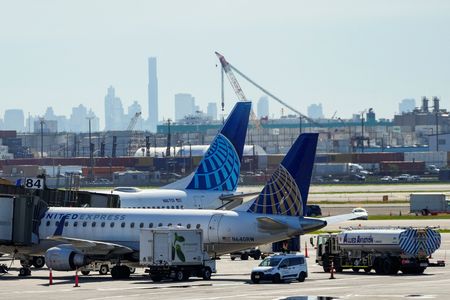
Fabricated reports circulated widely claiming armed assassins had seized control of Guadalajara’s airport, showing aircraft engulfed in flames on airport tarmacs. Doctored images depicted smoke rising from religious buildings and numerous structures in Puerto Vallarta, a destination favored by international visitors.
Reuters analysis confirmed these viral images, shared tens of thousands of times across platforms, were completely fabricated.
While false information commonly spreads following significant news developments, especially in the artificial intelligence era, security analysts noted the unprecedented velocity at which these particular falsehoods circulated – driven not only by unwitting social media users but deliberately by cartel operatives seeking to magnify the perceived scope and terror of their violent response.
“They are trying to show that the Mexican government doesn’t have control over the country,” explained Jane Esberg, an assistant professor at the University of Pennsylvania who researches Mexican criminal organizations’ social media tactics.
Esberg noted this approach serves to project nationwide cartel influence while obscuring the actual magnitude of violence confronting security personnel.
During Monday’s press briefing, Mexican Security Secretary Omar Garcia Harfuch confirmed authorities had pinpointed “various accounts” suspected of cartel connections and announced plans for comprehensive investigations to identify those with “direct relationships with an organized crime group.”
Garcia Harfuch distinguished between criminally-linked profiles and separate accounts “dedicated to spreading lies” without established connections to illegal organizations.
Mexican President Claudia Sheinbaum acknowledged authorities were moving rapidly to counter false information, stating “many, many fake news stories” emerged following El Mencho’s elimination.
Criminal organizations in Mexico have historically exploited social media for propaganda purposes, including defaming competitor groups and promoting community assistance programs like pandemic relief distribution efforts.
Traditional disinformation tactics employed by these groups relied on simpler methods – recycling older cartel footage or repurposing violent imagery from distant international conflicts, according to researchers.
However, artificial intelligence capabilities now allow these organizations to generate increasingly sophisticated fraudulent content.
The growing influence of narco influencers – social media figures who cultivate massive audiences while glamorizing and promoting organized criminal activity – has created additional propaganda channels in recent years.
Such misinformation operations prove especially harmful in Mexico, where violence prevents journalists from accessing certain regions to conduct ground-level reporting and distinguish truth from fabrication, Esberg observed.
She and fellow experts emphasized the challenge of definitively identifying which accounts or websites maintain cartel ties while disseminating false information.
Pablo Calderon, who teaches politics and international relations at Northeastern University London, explained cartels leverage social media to enhance their perceived image and influence while manipulating public perception through disinformation.
“Sunday was a good day for Mexican security forces,” Calderon stated. “But organized crime has been successful in shifting the narrative, away from the (military raid) to chaos.”