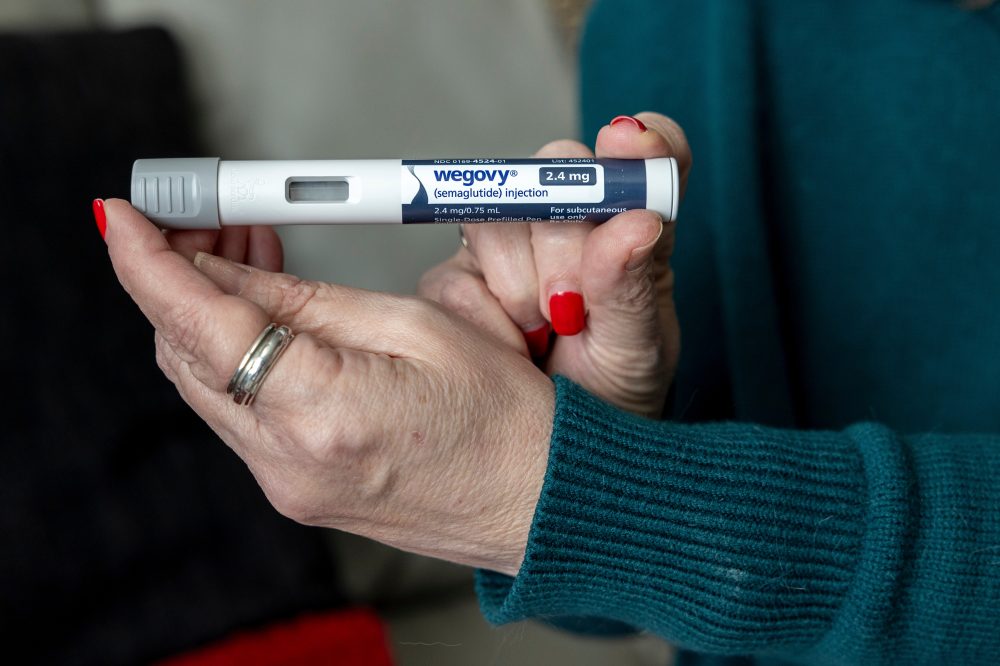

Popular weight loss medications known as GLP-1 drugs just became significantly more affordable for millions of older Americans enrolled in Medicare.
Beginning Wednesday, the federal government launched a new initiative called Medicare GLP-1 Bridge, offering select brand-name GLP-1 medications to qualifying Medicare and Medicare Advantage members for a flat rate of $50 per month.
The program is set to run through December 31, 2027, and marks the first time most older adults can have GLP-1 drugs — formally known as glucagon-like peptide-1 receptor agonists — covered by insurance specifically for weight loss purposes. However, the program comes with eligibility requirements, and those who already receive GLP-1 coverage for conditions like diabetes or sleep apnea will not be eligible.
The administrator of the Centers for Medicare and Medicaid Services, Dr. Mehmet Oz, said the program is designed to gather data that could pave the way for more permanent coverage options, while also providing immediate financial relief to older Americans struggling with the high cost of these drugs.
“The sheer cost of these medications is a huge barrier to access,” he said during a call with reporters. “That ends today.”
Of the more than 70 million Americans currently enrolled in Medicare, at least 10 million are classified as overweight or obese, according to Juliette Cubanski, vice president and director of the program on Medicare policy at the healthcare research nonprofit KFF. However, she noted that only a smaller portion of that group will actually be able to access this new program.
There is currently no solid data on how many people stand to benefit, and Dr. Oz declined to offer an estimate. He said the program itself will reveal how many eligible enrollees choose to participate — a figure his team is eager to track.
To be eligible, applicants must have Medicare drug coverage and either a body mass index of 35 or higher, or a BMI of 27 or higher combined with a qualifying health condition such as a prior heart attack or stroke, prediabetes, or another condition listed on the CMS website. Importantly, BMI is measured from when a patient first began GLP-1 therapy — meaning someone whose BMI has since dropped below the threshold may still qualify if their starting BMI met the requirement.
People with Medicare who have sleep apnea, diabetes, or fatty liver disease are excluded from this program, though their Medicare Part D coverage may still pay for GLP-1 drugs based on those diagnoses.
Those who believe they may qualify are encouraged to reach out to their healthcare provider first. The provider will need to submit a prescription for one of the covered drugs to a pharmacy and complete a prior authorization form, according to CMS guidance.
The medications covered under the program include Eli Lilly’s Foundayo tablets and Zepbound KwikPens, as well as Novo Nordisk’s Wegovy injections and tablets — all of which have received Food and Drug Administration approval for weight loss.
Participants will pay $50 per month regardless of their dosage level. However, those payments will not count toward insurance deductibles or out-of-pocket maximums, since Medicare — not the Part D insurer — is directly subsidizing the prescriptions.
Because Congress has not passed legislation permanently authorizing Medicare to cover weight loss drugs, the federal government’s ability to continue access beyond 2027 is limited. One option would be for Congress to pass such a law. Another possibility is a separate voluntary pilot program called BALANCE, though that initiative was indefinitely delayed earlier this year after many Part D insurers were reluctant to participate.
Dr. Oz told reporters that CMS intends to “carefully track participation and outcomes” to determine whether extending the Bridge program or pursuing another approach is the best path forward. He told the Associated Press that permanent federal legislation allowing coverage is “not essential right now” but is “for Congress to debate amongst themselves.”
“We can’t decide what’s going to happen long term with Bridge until we see some of the data,” he said, adding that negotiations with pharmaceutical companies to reduce costs are still ongoing.
GLP-1 medications have grown enormously in popularity in recent years, with many patients reporting significant weight loss. But the price tag — which can reach hundreds of dollars per month at higher doses — has kept the drugs out of reach for many.
For 78-year-old California resident Gloria Dralla, who told the AP she has lost around 40 pounds after purchasing lower-cost Wegovy in Europe, the new program means she can continue a treatment that has meaningfully improved her quality of life.
“This drug should be made available at a reasonable price for everybody who’s got weight loss problems,” she said.
Not everyone, however, is confident they will benefit. Katie Smith, 71, of Virginia, said she is uncertain whether she meets the eligibility requirements. With a BMI of 33, she does not meet the higher threshold and is unsure whether she has a qualifying health condition. Smith, whose ability to move and exercise has been severely restricted since a spinal cord injury she suffered in her 20s, said she was previously quoted $700 a month for the medications — a cost she simply cannot afford.
“I cannot tell you how frustrated I am,” she said. “I have the drive and I have the willingness and I have the motivation, but I have not been able to lose weight in all the conventional ways.”