
Officials in the Democratic Republic of Congo announced Thursday the discovery of mass burial sites containing 171 bodies in territory recently abandoned by M23 rebels, highlighting ongoing violence despite diplomatic efforts to bring peace to the region.
South-Kivu province Governor Jean-Jacques Purusi reported that authorities uncovered the graves in the Kiromoni and Kavimvira areas near the eastern city of Uvira. The larger site in Kavimvira contained 141 bodies, while the Kiromoni location held approximately 30 remains near the border with Burundi.
“At this stage, we have identified two sites: one mass grave containing approximately 30 bodies in Kiromoni, not far from the Burundian border on the Congolese side, and another in Kavimvira where 141 bodies were found,” Purusi explained in a telephone interview with The Associated Press.
The Associated Press was unable to independently confirm these allegations, and M23 representatives have not yet responded to requests for comment.
A regional civil society organization, the Executive Secretariat of the Local Network for the Protection of Civilians, reported Thursday that Congolese military forces blocked their attempts to examine the burial sites.
According to Yves Ramadhani, vice president of the civilian protection group, evidence suggests M23 fighters executed the victims after suspecting them of ties to government forces or pro-government militias.
Human rights organizations have previously documented extrajudicial executions and other violations by both M23 rebels and Congolese military units.
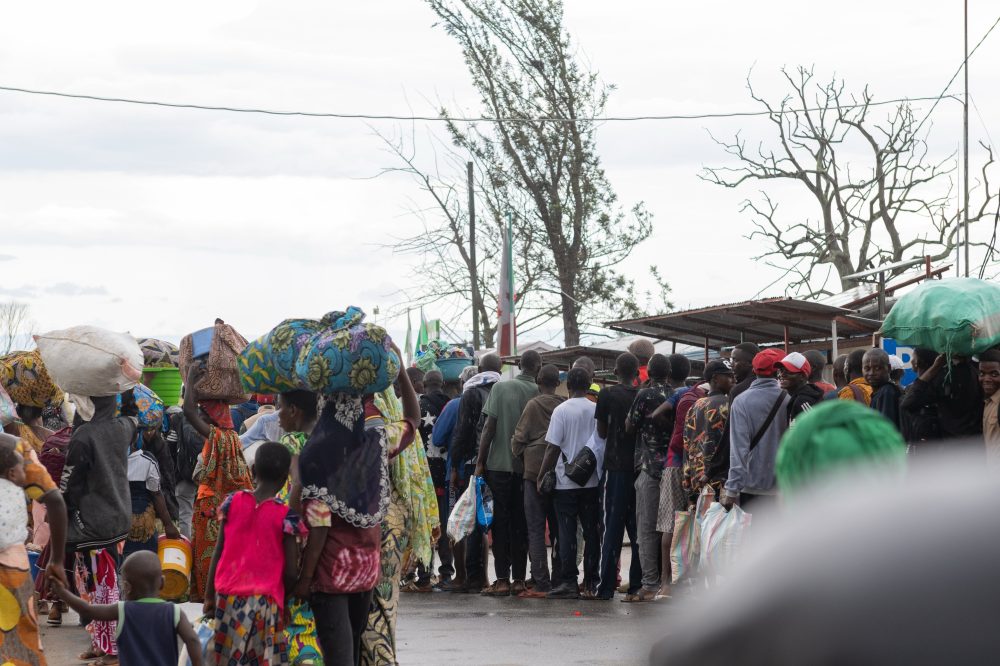
The M23 movement had seized control of Uvira in December during a swift military campaign that resulted in over 1,500 deaths and displaced approximately 300,000 residents, according to regional officials.
The rebel organization subsequently announced its departure from the city, describing the move as a “unilateral trust-building measure” requested by the United States to support ongoing peace negotiations.
The Democratic Republic of Congo, the United States, and United Nations investigators maintain that Rwanda provides support to M23, which has expanded from several hundred fighters in 2021 to roughly 6,500 combatants, according to UN estimates.
Eastern Congo’s mineral wealth has attracted more than 100 armed factions competing for territorial control near the Rwandan border, with M23 representing the most significant threat. This prolonged conflict has generated one of the globe’s worst humanitarian emergencies, forcing over 7 million people from their homes, UN refugee officials report.
Combat persists across multiple areas of eastern Congo, resulting in continued civilian and military casualties, even as American mediators work to implement agreements between Congolese and Rwandan leadership and facilitate discussions between rebels and the government.