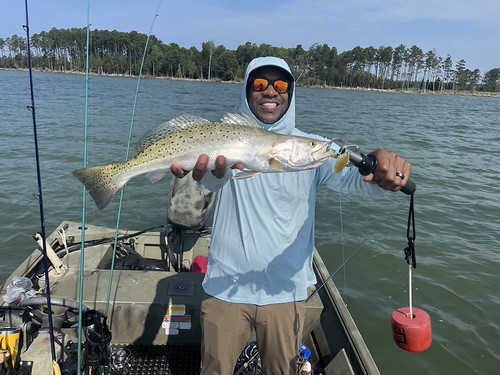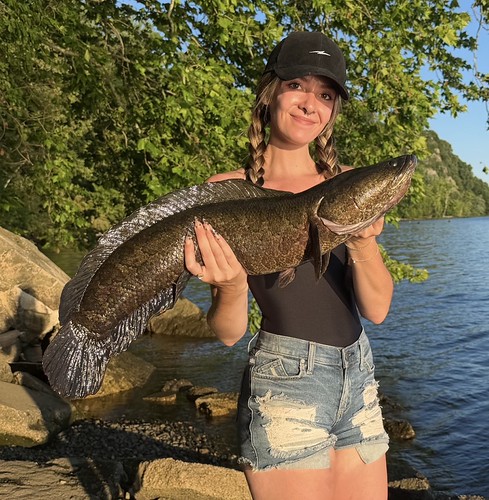

Fishing enthusiasts across Maryland have abundant opportunities this week, spanning from the Ocean City coastline to the cooler mountain waters in the western part of the state.
This Saturday, June 13, marks the second complimentary fishing day of 2026, allowing anglers over 16 to fish legally in all Maryland waters without requiring a license. The third and final free fishing day will occur on July 4 for those without licenses who want to try the sport. Licensed anglers are encouraged to bring friends along.
With rising temperatures, the Striped Bass Summer Fishing Advisory Forecast serves as an awareness initiative designed to minimize striped bass deaths from catch-and-release fishing during hot conditions. The Department of Natural Resources monitors temperature predictions and provides daily recommendations for the upcoming week.
Weekly Forecast Summary: June 3-9
According to NOAA buoy data, main Bay surface and river mouth water temperatures have increased slightly to the mid-70s and are expected to continue climbing throughout the week. Smaller rivers and streams have also warmed to the upper 70s. With these warmer waters, bottom oxygen levels are beginning to decline. Currently, most Bay bottom waters maintain adequate oxygen except near Colonial Beach in the Potomac River and from Swan Point down to the Bay Bridge area.
Most Maryland rivers and streams are experiencing below-average flows. Water clarity remains average for most Maryland portions of the Bay and rivers. Above-average tidal currents are expected Thursday through Tuesday due to Monday’s new moon on June 15. This month brings “king tides” with higher than normal high tides and lower than normal low tides. Horseshoe crabs should begin appearing on local beaches with salinities above 6ppt for their spring spawning migration.
Upper Chesapeake Bay
Fishermen are targeting striped bass, Chesapeake Channa, and blue catfish at the Conowingo Dam pool and lower Susquehanna River this week. Heavy spinning tackle with topwater lures, paddletails, and cut bait work best when cast into the turbine wash. Early morning and evening hours provide optimal times for topwater fishing at the dam pool and Susquehanna Flats edges.
Blue catfish fishing remains strong in the upper Bay’s tidal rivers, despite larger females actively spawning. Smaller blue catfish are plentiful, while those targeting larger specimens should focus on deep submerged structure. The Susquehanna River mouth and Chester River contain some of the highest blue catfish populations.
Striped bass fishing in shallower upper Bay waters is productive this week. Good water clarity, temperatures slightly above 70 degrees, and predicted overcast conditions create favorable circumstances. Waters around Pooles Island, Swan Point, Love Point, the Patapsco mouth/Key Bridge area, and Baltimore Harbor offer excellent jigging with soft plastics or live-lining spot opportunities.
Small spot perfect for live-lining striped bass can be found in the Chester River near Hail Point, near the Magothy River mouth, and the Bay Bridge’s west side and Sandy Point area. White perch sometimes mix in, with bloodworm pieces serving as the preferred bait.
Middle Bay
The Bay Bridge Piers continue delivering excellent striped bass fishing this week. Anglers anchor up-current and drift live spot, cut bait, or soft crab baits back to pier foundations. The first set of eight-legged bridge piers on the eastern side typically marks the 30-foot drop-off sweet spot for drifting baits. Rock piles shouldn’t be overlooked, while other anglers find success casting soft plastic jigs, bucktails, and paddletails to pier bases in shallower bridge areas.
Kent Narrows has provided good striped bass fishing recently. Boats drift in the current while jigging with soft plastics. White perch fishing has also been productive in Kent Narrows, Eastern Bay, the Poplar Island breakwater, and shallower waters of the lower Choptank and Little Choptank rivers. These locations are ideal for casting poppers and similar topwater lures plus paddletails during morning and evening hours.
Live-lining for striped bass is gaining popularity as spot become more available. Many hard-bottom areas hold small spot, croaker, and some white perch. Bottom rigs with bloodworm pieces are essential for catching spot. The channel edge near Buoy 83 south to the False Channel provides good live-lining opportunities. On the Bay’s western side, Thomas Point offers live-lining and jigging success for striped bass.
Lower Bay
Lower Bay anglers have multiple fish species and diverse fishing locations available. Striped bass inhabit shallow Bay waters and tidal rivers. Grass beds along Tangier Sound marshes, the Hoopers Island area, and western Bay locations like the St. Marys River are excellent areas for casting topwater lures and paddletails. Most anglers target striped bass, but speckled trout and bluefish may also be caught.
Jigging and live-lining remain popular along channel edges of the lower Potomac between St. Georges and Piney Point and St. Clements Island, plus various channel edges and 30-foot edges off Cedar and Cove points. Anywhere striped bass appear suspended along deep edges provides action opportunities. The lack of rainfall in the Chesapeake watershed has created very clear water conditions, prompting many to switch to fluorocarbon leaders.
Large red drum provide exciting catch-and-release action throughout many lower Bay areas. During morning and evening hours, they can be encountered in shallow waters of Tangier Sound, near Point Lookout, and Hoopers Island. Deeper Tangier Sound waters near the Target Ship and Middle Grounds are good red drum locations.
Blue Crabs
Recreational crabbers are beginning to see improved catches as more crabs shed into legal sizes. Middle and lower Bay regions typically provide the best results. Crabbers report finding crabs in 8 to 12 feet of water, with smaller crabs in shallower areas.
Freshwater Fishing
Spring trout stocking season has concluded, with stocking resuming in October. Group 1 Delayed Harvest Areas have been open for anglers to keep five trout daily since June 1. Group II Delayed Harvest Areas open next Tuesday, June 16, including sections of the Casselman, North Branch of the Potomac, and Youghiogheny rivers.
Largemouth bass fishing continues being excellent this month. Water temperatures remain cool enough for largemouth bass to feed throughout most of the day. Topwater frogs, buzzbaits, and chatterbaits work well in or near grass beds. Spinnerbaits, paddletails, jerkbaits, and crankbaits can be good choices in transition areas.
Anglers find good Chesapeake Channa fishing in many of the Chesapeake’s tidal rivers this month, despite spawning activity. The Conowingo Dam pool remains an excellent location since it’s a dead end for their travels. Bush and Gunpowder rivers are upper Bay favorites, while Dorchester back waters and the Nanticoke River are Eastern Shore preferences.
Atlantic Ocean and Coastal Bays
Surf fishing at Assateague Island is settling into typical summer patterns. Kingfish are reported in the surf with clearnose skates ever-present. Anglers using large baits catch and release striped bass, red drum, and some inshore sharks. Bluefish tend to be the most commonly caught fish this week.
At Ocean City Inlet and Route 50 Bridge area, bluefish and striped bass are being caught by casting soft plastic jigs or drifting cut bait. Sheepshead are becoming more common around structure, caught on sand fleas. Flounder consistently move through the inlet, with channels leading away from the inlet providing excellent fishing opportunities.
Offshore fishing at the canyons for yellowfin tuna and dolphin has been inconsistent, with not all anglers returning with impressive catches. Many captains are taking time from trolling for deep drop fishing for golden and blueline tilefish to ensure something to take home.