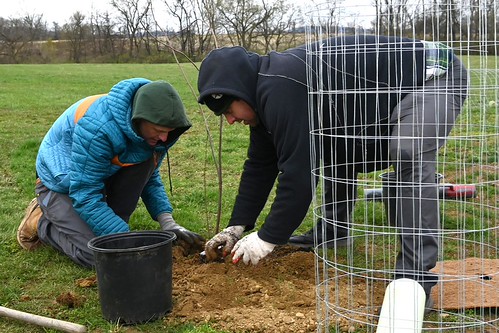

Maryland’s ambitious forest restoration effort has made significant progress since launching in 2021, but organizers say much more work remains to achieve their target. The state’s 5 Million Trees initiative has successfully established over 1.5 million native trees throughout Maryland, yet 3.5 million additional plantings are still needed to reach the 2031 deadline.
State officials are encouraging residents to join the conservation effort by participating in tree planting activities and documenting their contributions through the program’s registration system. Citizens can get involved through existing assistance programs for property owners and communities, collaborate with local forestry experts to start new projects, or seek guidance from professional foresters.
Isaac Whitmore, who coordinates the 5 Million Trees program for the Maryland Forest Service, emphasized the environmental benefits of the initiative. “Trees help fight climate change, absorb carbon, provide clean oxygen, and improve air quality in urban and rural areas,” Whitmore explained. “They also reduce urban heat, support wildlife habitat, and improve water quality in local waterways and the Chesapeake Bay.”
Optimal Planting Seasons
Spring offers ideal conditions for tree establishment, providing young saplings with favorable growing conditions as the season progresses. Warmer temperatures and increased daylight hours stimulate active root and leaf development, helping trees establish themselves more effectively. The season’s regular rainfall patterns also minimize the need for constant watering. Autumn presents another suitable planting window, as moderate temperatures reduce plant stress while soil warmth continues to encourage root growth.
Qualifying Tree Requirements
For plantings to contribute toward the 5 Million Trees objective, they must satisfy specific guidelines:
• Trees must have been planted after July 1, 2021. Previously planted trees may qualify for registration, and those with large-scale plantings can contact Isaac Whitmore at [email protected] for registration assistance.
• Plantings must support afforestation efforts in locations historically lacking tree coverage.
• Only Maryland native species qualify, including more than 60 varieties listed on the program’s recommended species guide.
At least 10% of all plantings must occur in urban underserved communities as outlined in Maryland’s Tree Solutions Now Act of 2021. The program emphasizes planting in disadvantaged urban neighborhoods, particularly those that:
• Were historically redlined or classified as hazardous by the Home Owner’s Loan Corporation
• Experience unemployment rates exceeding the state average
• Have median household incomes at or below 75% of Maryland’s average
• Are situated within housing project areas
Residents can use an interactive online mapping tool to identify qualifying urban underserved locations. When uncertain about project eligibility, citizens can consult their local tree planting specialists to determine if their efforts count toward the 5 Million Trees goal. The Maryland Forest Service offers support to both public and private landowners interested in tree planting initiatives.
Urban Participation Opportunities
Multiple programs welcome urban participants:
• The Marylanders Plant Trees coupon program offers $25 discounts on tree purchases of $50 or more from participating nurseries.
• Tree-Mendous Maryland assists citizens in restoring tree coverage on public lands and community open spaces throughout the state.
• The Chesapeake Bay Trust’s Urban Trees Award Program distributes grants funding tree planting projects in urban, underserved communities.
• The Maryland Urban and Community Forestry Council awards grants to community organizations for tree planting and educational initiatives in urban forests. This council also funds MDOT Transportation Reforestation Grants supporting tree replanting where canopy was removed for transportation infrastructure development.
• The Backyard Buffer Program supplies free seedlings to homeowners creating native tree and shrub buffers protecting streams and waterways.
Rural Landowner Resources
• Healthy Forest, Healthy Waters represents a collaboration between the Maryland Forest Service and Alliance for the Chesapeake Bay, offering technical assistance to public and private property owners. Afforestation projects covering one acre or larger include three years of maintenance at no cost to landowners.
• Forest Stewardship Assistance provides technical and financial support helping landowners manage and maintain their forests. Forest stewards help landowners access programs including the Woodland Incentive Program (financial assistance for private, non-industrial woodland owners with 5 to 1,000 acres), Environmental Quality Incentives Program (multi-agency assistance improving agricultural and woodland practices), and Conservation Reserve Enhancement Program (supporting forest buffers and wetlands on farmland to protect wildlife and enhance water quality).
• Maryland Agricultural Water Quality Cost-Share Program offers farmers grants covering up to 100% of costs for installing best management practices preventing erosion, managing nutrients, and protecting water quality.
• Maryland’s Conservation Buffer Initiative provides farmers with incentive payments for planting streamside buffers on agricultural land to improve local stream health and Chesapeake Bay conditions.
• The Western Maryland Resource Conservation and Development Council develops and maintains resource conservation programs enhancing social, economic, and environmental development in Garrett, Allegany, Washington, and Frederick counties.
Citizens can monitor the 5 Million Trees initiative’s progress through the program website or by following DNR on Facebook.