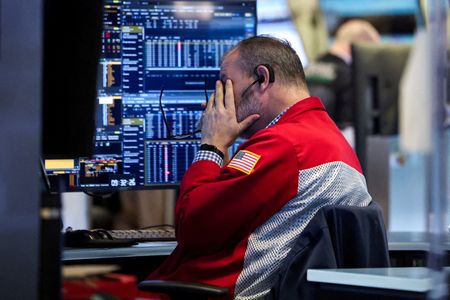

Markets across the United States and Europe saw significant upward movement Wednesday as investors grew optimistic about a potential de-escalation of Middle East tensions, with oil and energy market stability contributing to a broader recovery in previously struggling assets.
The positive trading session provided what many analysts are calling a temporary pause in recent volatility, though questions remain about how long this market relief might last. Asian markets, however, failed to participate in the rally and experienced notable declines.
Several key developments shaped Wednesday’s trading activity, including what appeared to be profit-taking and position adjustments by investors who may be betting on a swift resolution to regional conflicts.
The market movements saw oil prices, the dollar, and volatility measures all decline, while Wall Street, European equities, emerging market currencies, and precious metals like silver posted strong recoveries. Asian markets bucked this trend, with stocks there taking significant hits during the session.
Economic indicators released Wednesday painted a picture of underlying strength in global business activity, though analysts caution that purchasing managers’ surveys for February were conducted before the current Middle East crisis began. Service sector data showed U.S. business activity jumping to its highest level in over three and a half years during February, while Chinese activity reached three-year highs and European growth also accelerated.
In Federal Reserve news, President Donald Trump officially submitted Kevin Warsh’s nomination for Fed Chair to the Senate Wednesday, setting the confirmation process in motion. The nomination faces potential obstacles, with some senators expressing concerns about the administration’s investigations into current chair Jerome Powell and Governor Lisa Cook, while others worry Warsh might compromise the central bank’s independence.
Wednesday’s market performance showed eight of the S&P 500’s sectors posting gains, with consumer discretionary stocks leading the advance. Energy, consumer staples, and materials sectors declined. Notable individual stock movements included Amazon rising 4% and Cisco gaining 2.5%.
Currency markets experienced dramatic swings, particularly for emerging market currencies that were initially hit hard before closing strongly. The Brazilian real, South African rand, and Mexican peso all followed this pattern, while the Korean won recovered from a 17-year low and the Indian rupee bounced back from record lows. Among major currencies, the Australian dollar posted the biggest gains, and Bitcoin surged 8% above $73,000 to reach a one-month high.
Bond markets saw Treasury yields rise again, with short-term rates climbing 5 basis points, causing the yield curve to flatten further. The spread between 2-year and 10-year bonds narrowed to 54 basis points, marking the flattest close of the year.
Commodity markets showed mixed results, with oil prices holding steady as U.S. crude inventories increased, while European liquefied natural gas prices dropped 10%. Gold advanced 1%, and other precious metals posted gains of up to 3%.
Looking ahead to Thursday’s trading, investors will be watching for further developments in Middle East tensions, along with economic data releases including UK purchasing managers’ indices for February, eurozone retail sales for January, U.S. weekly jobless claims, and preliminary fourth-quarter productivity figures. Several central bank officials are also scheduled to speak, including European Central Bank President Christine Lagarde and Federal Reserve Vice Chair Michelle Bowman.