
Maritime workers worldwide have gained new protections allowing them to decline assignments on vessels traveling through the Middle East Gulf region, including the strategic Strait of Hormuz, following an elevation of the area’s threat assessment to maximum levels, according to major labor organizations and shipping industry representatives who announced the decision Thursday.
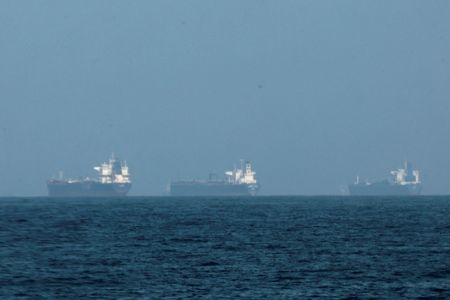
Approximately 300 vessels currently remain anchored on either side of the Strait as the U.S.-led conflict with Iran continues to intensify. Starting February 28, nine vessels have sustained damage and at least one crew member has lost their life.
Under new arrangements finalized Thursday through negotiations between maritime workers and commercial shipping operators via the International Bargaining Forum (IBF), crew members may decline to enter the region and receive company-funded transportation home plus compensation equivalent to two months of basic salary.
Additionally, workers will earn increased wages for operating in the area, and death or disability benefits will be doubled, according to a statement from the International Transport Workers’ Federation (ITF).
“Today’s designation ensures that seafarers on vessels covered by IBF agreements have critical protections if they operate in this dangerous region,” ITF General Secretary Stephen Cotton said.
“The fact we have to take these measures at all is a damning indictment of the situation facing seafarers today. No worker should have to risk being killed or maimed simply for doing their job – particularly when that job is transporting the oil and goods that keep the world’s economies running.”