
KUALA LUMPUR – A major ally within Malaysian Prime Minister Anwar Ibrahim’s governing coalition is evaluating whether to continue its partnership as disagreements intensify over how the administration has handled corruption allegations at the nation’s anti-graft watchdog.
Malaysia has spent the past ten years attempting to restore public trust and investor confidence following a massive fraud scheme at the 1MDB state fund that saddled the nation with enormous debt and resulted in a former prime minister’s imprisonment.
Though not as extensive as the 1MDB case, accusations of extensive wrongdoing at the Malaysian Anti-Corruption Commission (MACC) have put fresh focus on Anwar’s anti-corruption promises after he declined demands for a thorough investigation.
These accusations, combined with ongoing frustrations about sluggish governance reform progress, have prompted the Democratic Action Party (DAP) – the coalition’s largest member and longtime backer of Anwar during his two-decade career as a progressive opposition figure – to reconsider its alliance.
“I expect the party to evaluate its position in the relevant coalitions when the time comes for elections, to determine the best strategy going forward,” DAP disciplinary chief Tony Pua told Reuters.
However, Pua noted the party won’t pull its support during the current term to avoid creating political chaos.
Anwar’s office declined to comment. The prime minister has stated his government is working diligently to resolve governance problems and eliminate corruption while recognizing the difficulty of ending systemic graft.
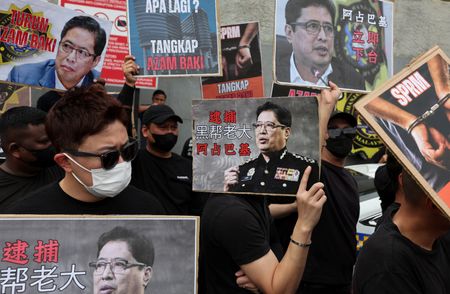
MACC director Azam Baki has faced mounting pressure to resign following Bloomberg’s reports suggesting he potentially violated shareholding regulations for government officials and that the agency assisted business groups in taking over companies. Azam and the MACC have rejected these claims.
Officials have established a committee to investigate these accusations, with results anticipated this week.
Yet Anwar has rejected DAP’s requests for a royal commission of inquiry into the broader misconduct allegations, leading coalition members and political observers to warn that an inadequate response could alienate voters, worsen internal divisions, and jeopardize government stability.
“If this issue is not contained or solved quickly, it will be a major issue until the next election,” stated Adib Zalkapli from political risk firm Viewfinder Global Affairs.
While Malaysia’s next national election isn’t required until early 2028, two government legislators indicated Anwar might call snap elections as soon as July.
One lawmaker from Anwar’s People’s Justice Party (PKR) revealed they and several colleagues are contemplating running as independents after losing faith in the prime minister’s leadership. These officials requested anonymity given the sensitive nature of the situation.
PKR member Hassan Karim emphasized the need for comprehensive reforms to combat systemic corruption.
“The prime minister and his government must terminate the contract of the MACC chief immediately and promptly form the RCI,” he stated.
Anwar’s time in office has featured internal cabinet disputes, public frustration over increasing living expenses, and concerns about democratic backsliding.
Although his administration has enacted some progressive changes, including ending mandatory death sentences, other initiatives have stalled.
Parliament narrowly rejected a constitutional amendment this week that would have capped prime ministerial terms at 10 years after several government-supporting lawmakers missed the vote.
Anwar’s coalition also suffered a significant defeat in November’s regional election, the first of multiple upcoming contests that will gauge support for the prime minister before national voting begins.
DAP’s Pua called the November defeat surprising and said it motivated party leadership to demand faster reforms.
The party, which holds 40 seats versus PKR’s 31, plans to meet in July to decide whether its leaders should step down from all government roles, including cabinet positions – a step Pua said would be necessary if promised changes aren’t delivered.
“If we don’t withdraw, the party will lose all credibility and can expect a punishing outcome from the elections,” Pua explained.