
Malaysia’s foreign ministry announced Thursday that it has asked the United Nations refugee agency, UNHCR, to pause new refugee registrations in the country while the government establishes its own system for handling asylum-seekers.
Deputy Foreign Affairs Minister Lukanisman Awang Sauni told parliament’s upper house that the suspension is meant to give the government room to implement its domestic refugee registration program, called the DPP, which was launched in January.
“Through the DPP, the government can manage data in a more structured manner, including in identity verification, monitoring and regulation, without relying entirely on the records of any foreign entity,” Lukanisman said, responding to senators’ questions about Malaysia’s handling of Rohingya refugees.
The UNHCR reported that roughly 215,600 refugees and asylum-seekers were registered with the agency in Malaysia as of the end of February. More than half of that population consists of ethnic Rohingya Muslims from Myanmar. Malaysia is not a party to the 1951 U.N. refugee convention, and refugees in the country are not permitted to work or attend school.
In recent weeks, online hate speech and misinformation aimed at the Rohingya community have been on the rise, with social media users falsely claiming that Rohingya refugees are taking jobs and land from Malaysian citizens.
Lukanisman said that halting UNHCR registrations would free the agency to concentrate on resettling refugees in third countries when returning them to their home nations is not possible. He added that Malaysian authorities plan to continue working with UNHCR on a regular basis.
The UNHCR’s Malaysian office did not respond to a request for comment. However, the agency’s website noted that Malaysia’s refugee policies, including the DPP program, “reflect an important step towards a structured, predictable, and nationally owned approach to protecting people forced to flee their country,” and that UNHCR’s role was “complementary to and in support of the state’s protection and humanitarian responsibilities.”
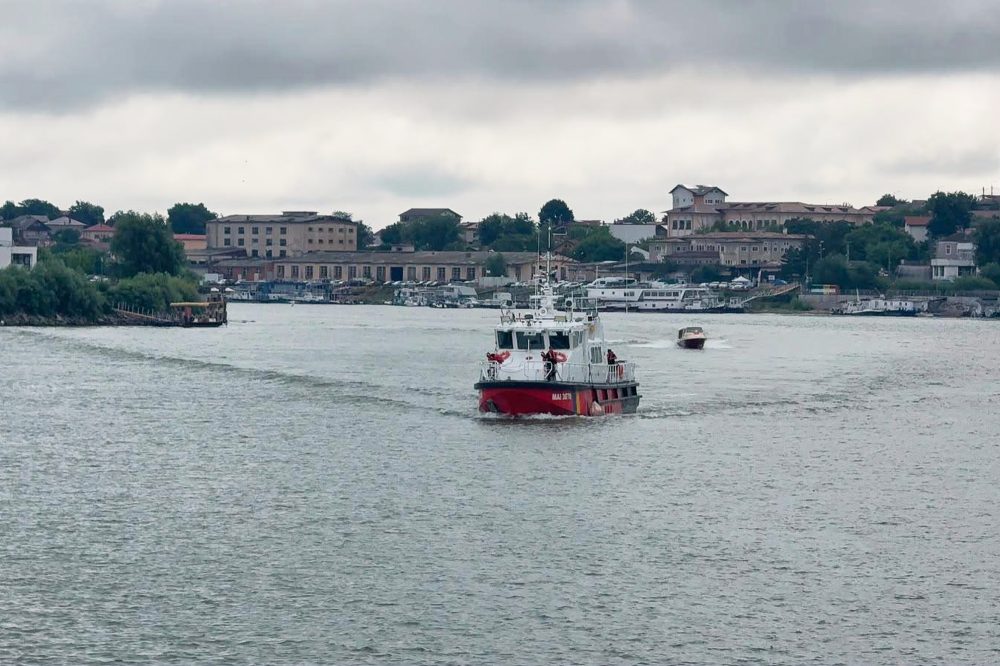
Lukanisman also disclosed that the government has plans in place to deport around 5,000 Myanmar nationals currently held in immigration detention centers, using naval vessels, pending Myanmar’s agreement. No additional details were provided.
This is not the first time Malaysia has carried out such deportations. In 2021, the country sent more than 1,000 Myanmar nationals back by ship, even after a court ordered a halt to the process. Human rights organizations at the time said the deportees included asylum-seekers and individuals registered with UNHCR.
Myanmar’s military seized power in a coup in February 2021, pushing the country into civil war. The Myanmar government does not recognize the Rohingya as citizens of the country.