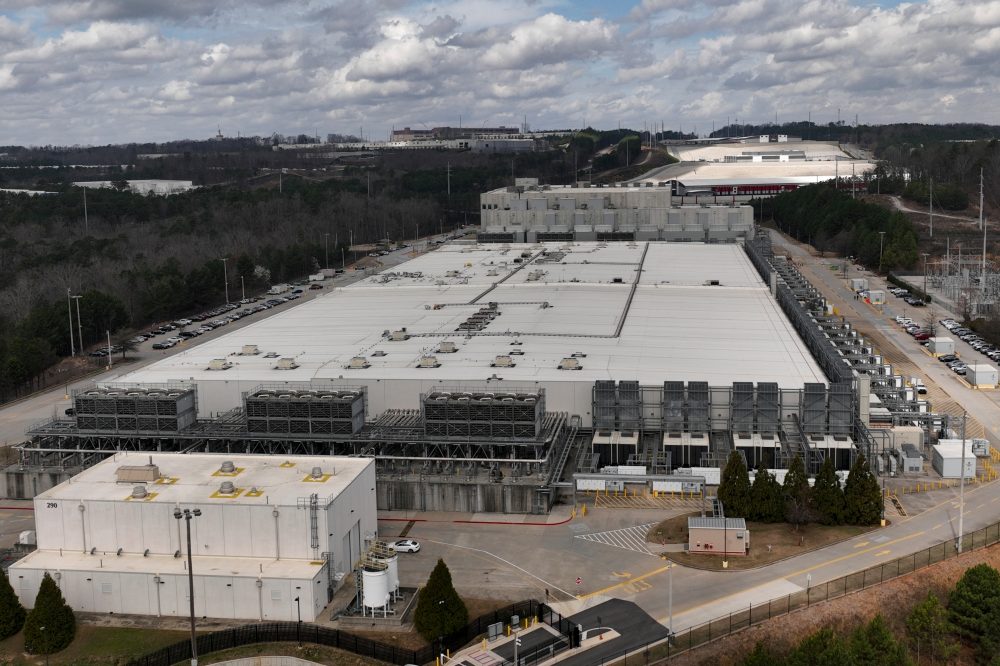

PORTLAND, Maine — Lawmakers in Maine have approved groundbreaking legislation that would establish the country’s first statewide ban on large-scale data centers, reflecting mounting concerns about these facilities’ impact on electrical grids and utility rates.
The bill emerged after several proposed data center projects sparked fierce community opposition in the state, despite Maine not being a major target for the massive computer facilities that support artificial intelligence operations. State legislators in the Democratic-controlled statehouse voted Tuesday to send the measure to Governor Janet Mills, a Democrat currently seeking a U.S. Senate seat.
This development represents a significant escalation in grassroots resistance to data center construction, with opposition now reaching state-level politics. While the Trump administration and numerous governors champion these facilities as economic drivers crucial for competing with China in artificial intelligence development, local communities continue voicing alarm over their massive power consumption. Energy experts have also cautioned about potential blackouts in the mid-Atlantic power grid in upcoming years.
Although similar moratorium proposals have surfaced in at least twelve states, Maine’s legislation marks the first to successfully navigate through a state legislature.
The proposed law would halt construction of data centers exceeding specific size thresholds for over a year while establishing a specialized committee to assist municipalities in evaluating future proposals. Governor Mills has not indicated her position on signing the legislation.
“It’s not that there’s no place for data centers in Maine,” said Democratic Rep. Melanie Sachs, who sponsored the measure. “Frankly, the tradeoffs have not been shown to be of benefit to our ratepayers, water usage or community benefit in terms of economic activity.”
Industry representatives warn that Maine’s moratorium could have lasting consequences for various sectors, even though the state hasn’t been a primary destination for hyperscale data center development.
“It says that the state is willing to essentially put a blanket ban on you if it decides that you may be politically unfavorable,” said Dan Diorio of the Data Center Coalition, a trade association that includes tech companies and developers.
Industry advocates argue the moratorium could discourage data center investment in Maine while depriving the state of significant economic development opportunities that typically attract additional industries. They also contend that local construction workers and trade unions would miss chances to develop specialized skills needed for these projects, potentially putting Maine at a disadvantage compared to other states.
“We think that these data centers could bring good jobs, good opportunities to these regions,” said Montana Towers, a policy analyst with the free market Maine Policy Institute. “And a lot of these concerns about them are luddite in nature.”
However, multiple Maine communities have expressed frustration over limited transparency surrounding potential data center developments. According to Joe Oliva, a spokesperson for the Maine Broadband Coalition supporting the moratorium, the legislation primarily aims to ensure community involvement in the planning process.
“If this is going to come, we want to be in early and often on the conversation,” Oliva said.
Community resistance has intensified since last summer, becoming a major challenge for data center developers as numerous local governments have rejected proposals during planning and zoning meetings filled with concerned residents.
Several U.S. counties and municipalities have enacted their own moratoriums, while legislative proposals have emerged in states with active development like Virginia, Michigan, and Wisconsin.
Some measures failed to advance, including one in Georgia, a major data center hub. Other states have pursued alternative approaches to regulate these facilities through stricter water and energy usage requirements, enhanced transparency measures, and stronger protections for ratepayers and communities.
In Ohio, residents are attempting to circumvent the legislature by placing a November ballot measure that would permanently prohibit hyperscale data centers. The initiative requires gathering over 400,000 voter signatures by July 1, representing perhaps the most restrictive proposal under consideration.
Public officials, developers and other interests could otherwise “make this state a virtually unbroken field of data centers,” said Austin Baurichter, a Cincinnati-area lawyer who is helping organize the effort.
South Dakota’s legislature rejected a similar one-year moratorium after opposition from power plant operators and data center developers. The governor also opposed the measure, arguing that such planning decisions belong at the local level and that statewide restrictions prevent municipalities that welcome data centers from pursuing them.
The bill’s sponsor, Republican Sen. Taffy Howard, told fellow senators that “citizens are asking for this” while characterizing opponents as lobbyists, “billion-dollar corporations” and government officials.
“Are you going to listen to the people or the paid lobbyists?” she asked.