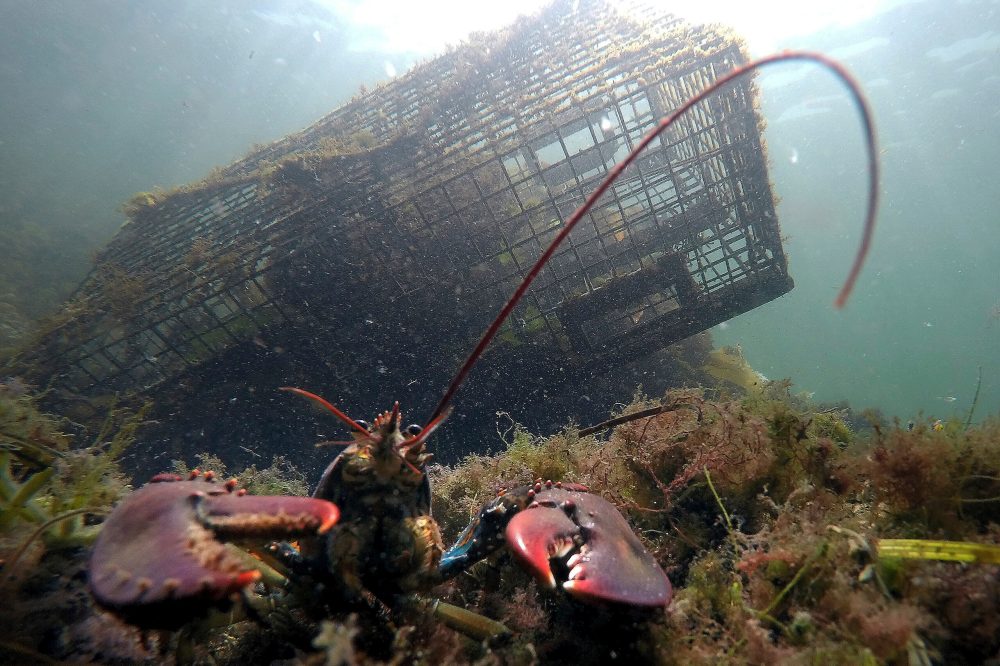

PORTLAND, Maine — For the fourth consecutive year, Maine’s lobster industry has recorded a drop in its annual harvest, according to state fishing officials who released the data Friday. The sector continues struggling with rising operational expenses, inflation pressures, and shifting ocean conditions.
Maine’s signature seafood export, which serves as a cornerstone of the state’s cultural heritage and economic identity, has seen consistent yearly decreases since 2021. Researchers point to increasingly warm ocean temperatures as a factor driving lobster populations northward into Canadian territorial waters.
This year’s harvest totaled 78.8 million pounds (35.7 million kilograms), representing a significant drop from the more than 110 million pounds (49.9 million kilograms) recorded in 2021. The 2025 figures mark the industry’s weakest performance since 2008.
According to Carl Wilson, commissioner of the Maine Department of Marine Resources, inflation severely impacted operations last year, resulting in over 21,000 fewer fishing expeditions compared to 2024. Additional challenges included market instability from tariff concerns and a delayed start to the peak fishing season.
“This combination of factors likely contributed to the decline from 2024 to 2025 in the lobster harvest of more than eight million pounds and a decrease in the overall value of more than $75 million,” Wilson said in a statement.
Maine waters produce the overwhelming majority of America’s lobster supply, though other New England coastal areas also support trapping operations.
The fishery typically generates more than $500 million annually in dockside value, ranking among the nation’s most profitable catches. Last year’s total reached more than $461 million.
Southern New England’s lobster fishery has carried an official depletion designation from regulators for several years. This downturn occurred as ocean temperatures rose off Rhode Island and southern Massachusetts coasts, with scientists cautioning that similar patterns may be emerging in Maine waters. These crustaceans demonstrate high sensitivity to temperature fluctuations during juvenile stages and throughout their life cycles.
The regulatory Atlantic States Marine Fisheries Commission declared last year that lobster populations have experienced “rapid decline in abundance in recent years” across critical zones, officially determining the species faces overfishing pressures. Conservation organizations have advocated for stricter fishery management measures.
Industry representatives have challenged this evaluation, arguing that fishermen already operate under extensive regulations designed to protect lobster stocks and preserve endangered whale populations.
Despite recent declines, last year’s harvest numbers remain elevated compared to historical standards, exceeding the typical 50 million to 70 million pounds (approximately 23 million to 32 million kilograms) recorded during the 2000s and even lower totals from the previous decade.
The sector experienced exceptional growth during the 2010s, with annual catches surpassing 100 million pounds (45 million kilograms), peaking at more than 132 million pounds (60 million kilograms) in 2016.
Despite sustained high prices for both retail customers and wholesale buyers, elevated costs for essential supplies including fuel and equipment created “not a very profitable season,” according to John Drouin, who operates from Cutler.
However, some positive developments emerged, as lobster trapping showed greater consistency compared to the previous year, noted Steve Train, who works from Long Island.
“Hauling was more consistent, with less peaks and valleys, and the price was higher in the summer months,” Train said. “But I think I landed a little less.”
Lobsters continue to be widely available at restaurants and seafood retailers, though pricing remains elevated. Typical dockside prices ranged from $3 to $5 per pound during the 2010s but have exceeded $6 per pound in recent years. Last year’s average dock price reached $5.85 per pound.