
WASHINGTON (AP) — Following his decisive primary election defeat, Louisiana Republican Sen. Bill Cassidy expressed unwavering confidence Monday night about his decision to vote for former President Donald Trump’s conviction during impeachment proceedings five years earlier.
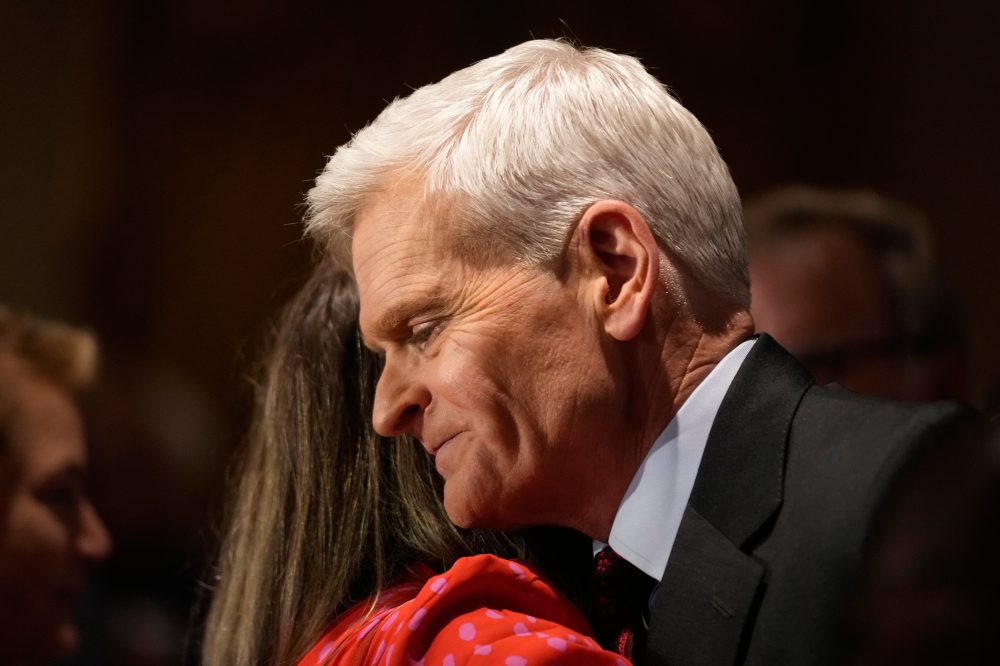
“I cast my ballot to defend the Constitution. Perhaps it led to losing my position, but that doesn’t matter,” Cassidy stated to members of the press at the Capitol. “I had the honor of casting a vote that defended the Constitution, and isn’t that something remarkable?”
The senator’s political career ended Saturday during his state’s Republican primary following Trump’s endorsement of a rival candidate. For years, Cassidy had attempted to demonstrate continued support for the former president despite his conviction vote following the January 6, 2021, Capitol incident.
After years of avoiding questions about his impeachment decision — frequently remaining silent when approached by reporters in Capitol corridors — Cassidy now expresses feeling “great.”
“You see before you someone who cherishes this nation, who feels extremely positive about my service to this country, the Constitution, and my fellow citizens,” Cassidy declared. “Shouldn’t we all desire to declare that we supported the Constitution during a significant moment? That describes my feelings exactly. I take great satisfaction in it.”
Cassidy becomes another member of the group of Republican officials who opposed Trump and faced electoral consequences. Whether he will follow the path of colleagues like North Carolina Sen. Thom Tillis, who became more vocal after announcing retirement last year, remains uncertain. On Monday evening, Cassidy avoided direct criticism of Trump, noting that “individuals expect me to make negative statements, but I’m focusing on positive remarks.”
However, he suggested he might speak out more, telling journalists he remains undecided about supporting the upcoming Democratic proposal to end the Iran conflict and expressing criticism of a new approximately $1.8 billion compensation fund for Trump supporters who claim unjust investigation and persecution — potentially including individuals prosecuted and subsequently pardoned for January 6 Capitol incident involvement.
While Cassidy contemplated his Senate tenure spanning two terms, his Republican colleagues who remain Trump supporters offered subdued or detached responses to his defeat.
“Bill’s defeat was foreseeable, and Bill understood this,” stated his Louisiana colleague, Republican Sen. John Kennedy.
Kennedy explained that Cassidy chose to campaign regardless, “and I admire that decision, and I appreciate his public service. We’re proceeding to a runoff situation now and we have two excellent candidates in the runoff.”
Cassidy’s Trump conviction vote from five years ago “created challenges, without doubt,” Kennedy acknowledged.
South Carolina Sen. Lindsey Graham, among Trump’s strongest supporters, declared on NBC’s “Meet the Press” Sunday that “individuals who attempt to politically undermine Trump, who obstruct his priorities, will face defeat.”
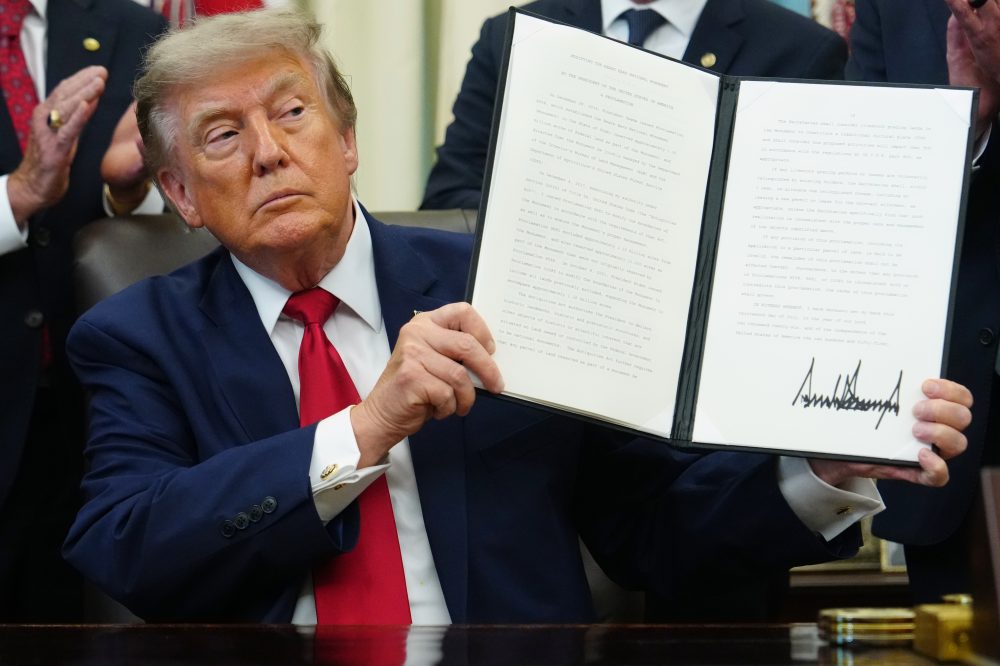
Trump concurred, writing on social media over the weekend that “it’s satisfying to observe that his political career has ENDED!”
Alaska Sen. Lisa Murkowski, among six other Republicans who supported Trump’s conviction in his second impeachment trial, alone expressed disappointment that Cassidy won’t return to the Senate.
His loss “definitely affects our work here,” she noted. “I valued collaborating with him and his guidance.”
Before Saturday, Cassidy remained quiet on most Trump-related controversies. He made significant efforts to demonstrate presidential support, notably by ultimately backing Health and Human Services Secretary Robert F. Kennedy Jr.’s nomination despite initially questioning Kennedy’s vaccine skepticism. As both a physician and chairman of the Senate Health, Education, Labor and Pensions Committee, Cassidy’s support proved essential.
Monday, Cassidy declined to discuss any regrets about that decision. He likened the vote to an unsuccessful high school date and remarked that “life moves forward.”
He spoke more directly about Trump’s new “anti-weaponization fund,” established through a settlement resolving the president’s Internal Revenue Service lawsuit regarding his tax return disclosure.
While other Republicans avoided fund-related questions upon returning to Washington Monday evening, claiming insufficient knowledge or declining comment, Cassidy said he sees no legal basis for it.
“We operate under rule of law,” Cassidy emphasized. “You cannot simply create arbitrary policies.”
Congressional oversight is necessary, he argued, adding that campaign trail constituents “worry about meeting their basic needs, not about establishing unauthorized funds without legal foundation.”
Cassidy’s February 2021 impeachment trial support for Trump’s conviction surprised many, given the reserved doctor’s generally supportive stance — or reluctance to challenge — Trump throughout his initial presidency. He deliberated for days beforehand and refused trial commentary before voting.
Seven Republicans total voted for conviction as the Senate ultimately acquitted Trump. Only two others remain in the Senate: Murkowski and Maine Sen. Susan Collins, who also faces reelection in her considerably more moderate state.
Following his 2021 vote, Cassidy declared feeling “at peace” with his choice. The decision haunted him throughout the entire five-year period, becoming increasingly problematic when Trump won reelection and Cassidy campaigned again.
Asked Monday about future political aspirations, Cassidy made an indirect reference to Trump’s attempts to reverse his 2020 presidential election defeat and his unfounded assertions that prompted the January 6 Capitol attack by supporters.
“I honor democratic principles,” Cassidy responded. “Currently that opportunity appears closed.”