
WASHINGTON — Legal experts are raising concerns about potential violations of international law following President Donald Trump’s recent inflammatory threats against Iranian infrastructure, including promises to destroy the nation’s power grid and transportation systems.
During Monday’s press briefing, Trump outlined plans to target every bridge and electrical facility in Iran, statements that military law specialists warn could amount to war crimes. The legality of such strikes would depend on whether these facilities serve military purposes, if the response matches Iran’s actions proportionally, and whether efforts were made to protect civilian populations.
Critics argue Trump’s warnings fail to consider the impact on non-combatants, with Congressional Democrats, United Nations representatives, and legal academics contending such attacks would breach international standards.
While the president’s actual policies sometimes differ from his bold public declarations, his warnings about infrastructure targets have been clear and consistent since Sunday, as he established a Tuesday evening deadline for Iran to reopen the Strait of Hormuz.
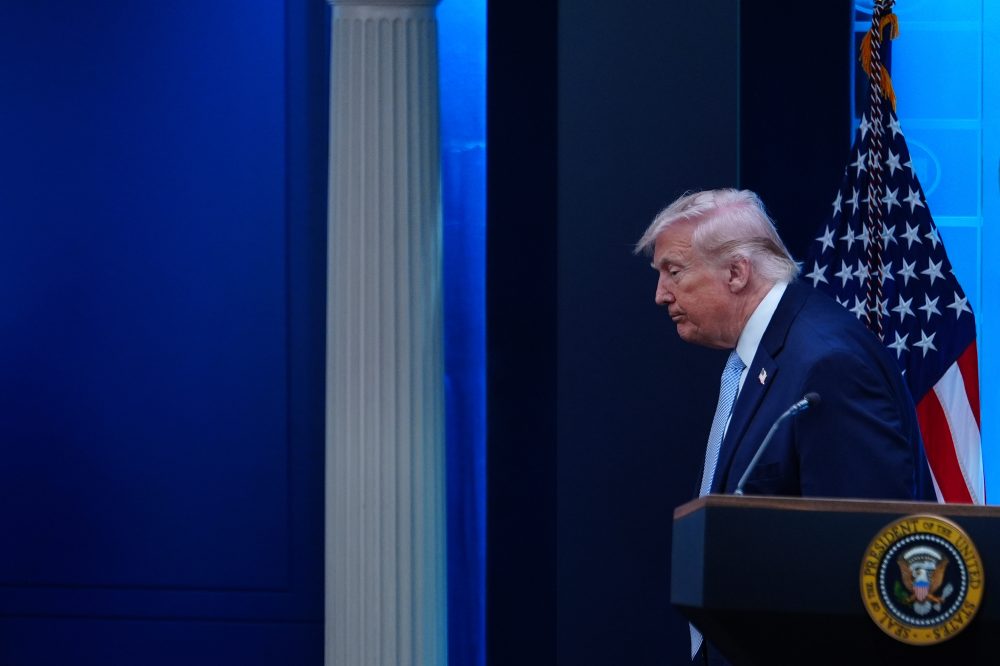
When asked Monday about potential war crime allegations, Trump stated he’s “not at all” worried about such concerns while continuing his destructive threats. He declared that every power facility will be “burning, exploding and never to be used again.”
On Tuesday morning, Trump posted on Truth Social: “A whole civilization will die tonight, never to be brought back again. I don’t want that to happen, but it probably will.”
Defense Secretary Pete Hegseth previously stated last month that the administration would enforce “no stupid rules of engagement, no nation building quagmire, no democracy building exercise, no politically correct wars. We fight to win and we don’t waste time or lives.”
U.N. Secretary-General António Guterres’ spokesperson cautioned Monday that targeting such infrastructure violates international regulations.
“Even if specific civilian infrastructure were to qualify as a military objective,” Stephane Dujarric explained, an assault would remain forbidden if it creates “excessive incidental civilian harm.”
Southwestern Law School professor Rachel VanLandingham, a former Air Force judge advocate general, noted that civilian deaths would likely result from power outages affecting hospitals and water facilities. “What Trump is saying is, ‘We don’t care about precision, we don’t care about impact on civilians, we’re just going to take out all of Iranian power generating capacity,’” the former lieutenant colonel explained.
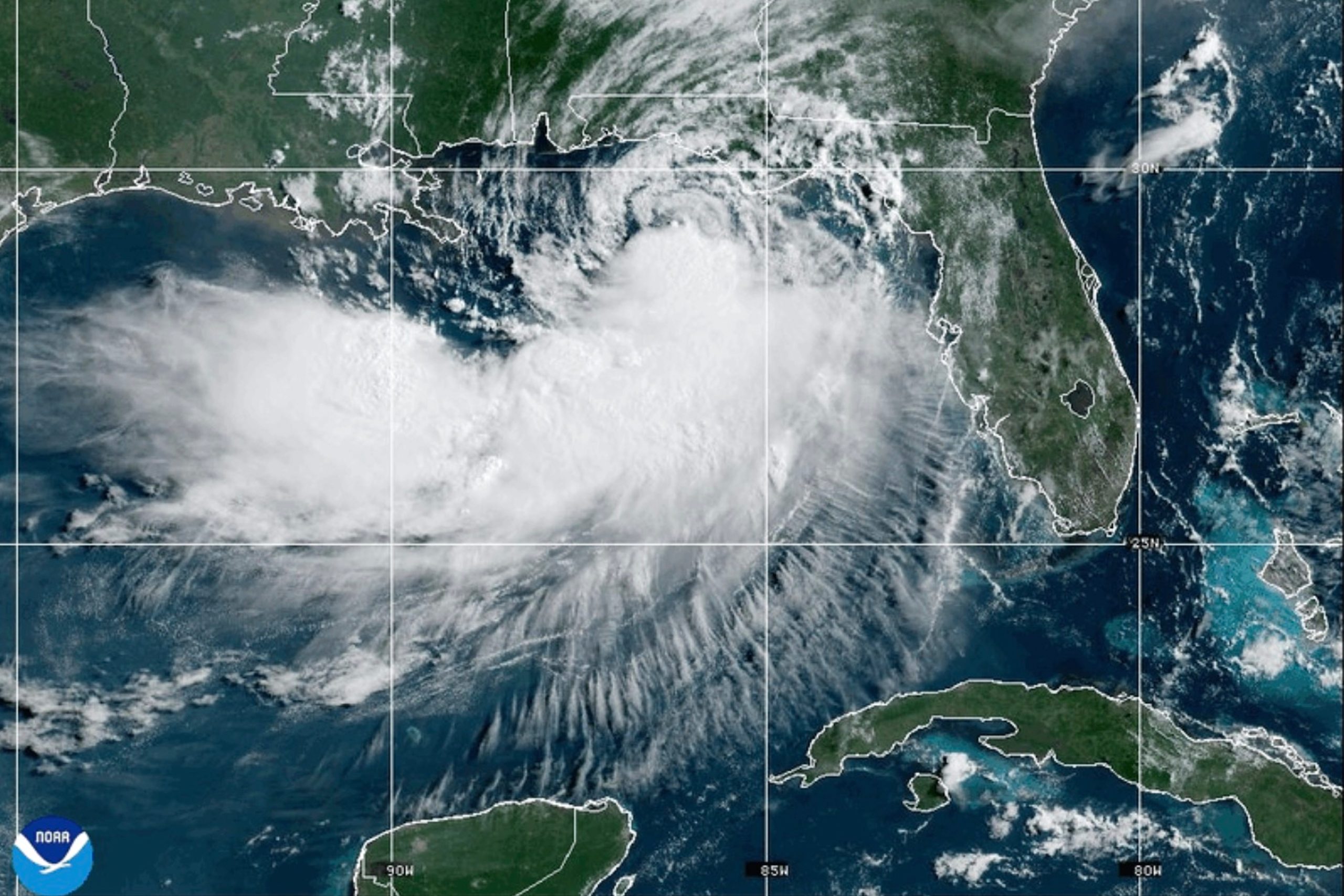
Maritime traffic through the Strait of Hormuz, a critical Persian Gulf passage handling 20% of global oil shipments, has virtually stopped, causing oil prices to spike and creating stock market turbulence.
According to Marieke de Hoon, who teaches international criminal law at the University of Amsterdam, the U.N. Charter only allows nations to use military force with Security Council approval or for self-defense purposes.
As the conflict enters its second month, Trump has intensified his infrastructure bombing threats, targeting Kharg Island’s oil operations and water desalination facilities.
In a March 30 Truth Social message, Trump warned America would destroy “all of their Electric Generating Plants, Oil Wells and Kharg Island (and possibly all desalinization plants!), which we have purposefully not yet ‘touched.’”
On Easter Sunday, Trump used profanity-filled posts to threaten Iran with “Power Plant Day, and Bridge Day, all wrapped up in one,” warning “you’ll be living in Hell” without strait reopening.
“This strikes me as clearly a threat of unlawful action,” said Michael Schmitt, professor emeritus at the U.S. Naval War College and international law instructor at Britain’s University of Reading.
Schmitt explained that power facilities can be legitimate targets under warfare laws if they supply military installations alongside civilian areas. However, attacks must avoid “disproportionate harm to the civilian population, and you’ve done everything to minimize that harm.”
While harm excludes mere inconvenience or fear, Schmitt noted it encompasses severe psychological trauma, physical injuries, or illness.