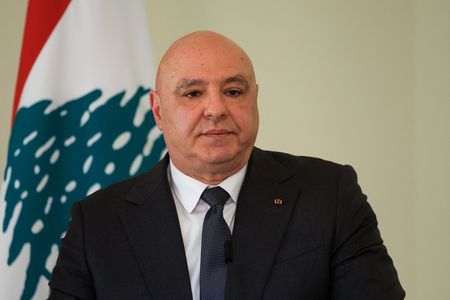

Lebanon’s President Joseph Aoun issued an uncommon direct message to Israeli leadership and citizens during a CNN interview that broadcast Monday, urging them to choose diplomatic negotiations over continued warfare and cautioning that military approaches “will never provide you with security and safety.”
“We are ready, we are willing, we are committed. Are you? If you are, let’s sit and talk,” Aoun stated.
Despite resistance from the armed organization Hezbollah, which continues battling Israeli forces in Lebanon’s southern region, the Lebanese administration is engaging in direct discussions with Israel through Washington’s mediation to achieve a complete halt to fighting.
Aoun indicated he would refuse to meet with Israeli Prime Minister Benjamin Netanyahu until a war-ending agreement is secured. He clarified that such an arrangement would constitute a non-aggression agreement rather than a comprehensive peace treaty.
“We need to end the state of hostility between Lebanon and Israel. Forever. And this (pact) could be a path forward for a just and lasting peace,” Aoun explained.
The Lebanese leader said his country would align with the 2002 Arab Peace Initiative, which proposes Arab world normalization with Israel in return for Palestinian statehood and Israeli withdrawal from occupied lands.
“But we cannot jump from A to B directly. We have to go through different steps,” Aoun noted.
The conflict began March 2 when Hezbollah launched attacks against Israel to support its Tehran ally. Israel countered with aerial bombardments and ground operations that have resulted in Israeli occupation of large portions of southern Lebanon.
Israeli attacks on Lebanon have resulted in over 3,600 deaths and displaced more than one million Lebanese citizens. Although the U.S. announced a ceasefire April 16, combat has persisted, with Lebanon reporting nearly 3,500 Israeli strikes following the truce declaration.
Sunday saw Israel target Beirut’s southern neighborhoods in response to Hezbollah attacks on northern Israel, sparking a 24-hour period of direct fire exchange between Iran and Israel that risked undermining Washington’s diplomatic efforts to broker an agreement with Tehran regarding their conflict spanning more than three months.
During his CNN appearance, Aoun expressed Lebanon’s desire for positive relations with Iran built on mutual respect and non-interference, while asserting that Lebanese citizens were dying to advance Iran’s agenda.
In interview segments that aired Friday, Aoun criticized Iran for treating Lebanon as a negotiating tool in discussions with the United States, representing some of his harshest public comments about Tehran to date.