
PRISTINA, Kosovo — The Parliament of Kosovo plans to vote Friday on deploying several dozen security personnel to an international peacekeeping mission in Gaza, marking the nation’s transition from receiving military assistance to providing it.
Lawmakers are expected to give formal approval to a government proposal sending troops to the International Stabilization Force, a U.S.-supported program established after last year’s ceasefire agreement between Israel and Hamas.
The ISF has not yet been deployed but will work to maintain stability and support reconstruction efforts in Gaza as part of President Donald Trump’s Board of Peace initiative, which Kosovo has agreed to join. Other participating nations include Indonesia, Albania and Kazakhstan.
For Kosovo, joining the international mission represents significant progress since declaring independence from Serbia in 2008 — a decision Belgrade continues to reject.
Serbia’s violent suppression of Kosovo’s independence movement led to NATO’s 1999 military intervention, which expelled Serbian forces from the region and established the ongoing KFOR peacekeeping presence.
“Our country has been a security consumer, meaning NATO countries have contributed to the security of the Republic of Kosovo,” Defense Minister Ejup Maqedonci told The Associated Press. “Today we are entering a phase where we are becoming a provider, or exporter, of security.”
According to Maqedonci, Kosovo will deploy several dozen officers, including explosive ordnance disposal specialists. Their responsibilities will include humanitarian assistance, security support and additional duties outlined in the Gaza force’s operational guidelines.
“We are currently in the final preparations phase,” Maqedonci said. He noted that American officials have assisted with preparations, including troop vaccinations, visa processing and other logistical arrangements.
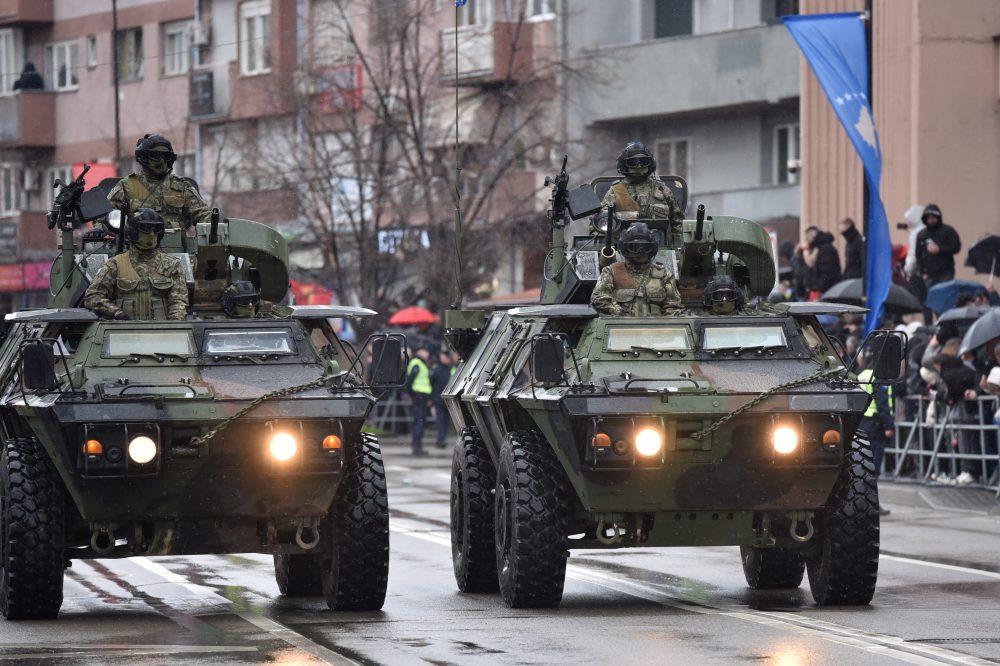
Kosovo maintains approximately 4,000 security personnel who are training to form a small, professional military force compatible with NATO standards.
Local resident Milot Hoxha, a 43-year-old musician, expressed support for the Gaza deployment.
“We ourselves have gone through such a transition and every small help for us has been very significant,” he said. “I believe it will be the same for them, that any kind of help will be positive. I strongly support this decision.”
Relations between Kosovo and Serbia remain strained since the war ended, with periodic violent episodes. European Union officials have attempted to mediate discussions between Belgrade and Pristina to normalize diplomatic ties, but these efforts have recently stalled.
While the United States and most European Union members recognize Kosovo’s sovereignty, Russia and China continue supporting Serbia’s territorial claims.