
NAIROBI, Kenya (AP) — Transport operators across Kenya have ended their countrywide work stoppage on Friday following a weeklong suspension that allowed for negotiations regarding escalating fuel costs.
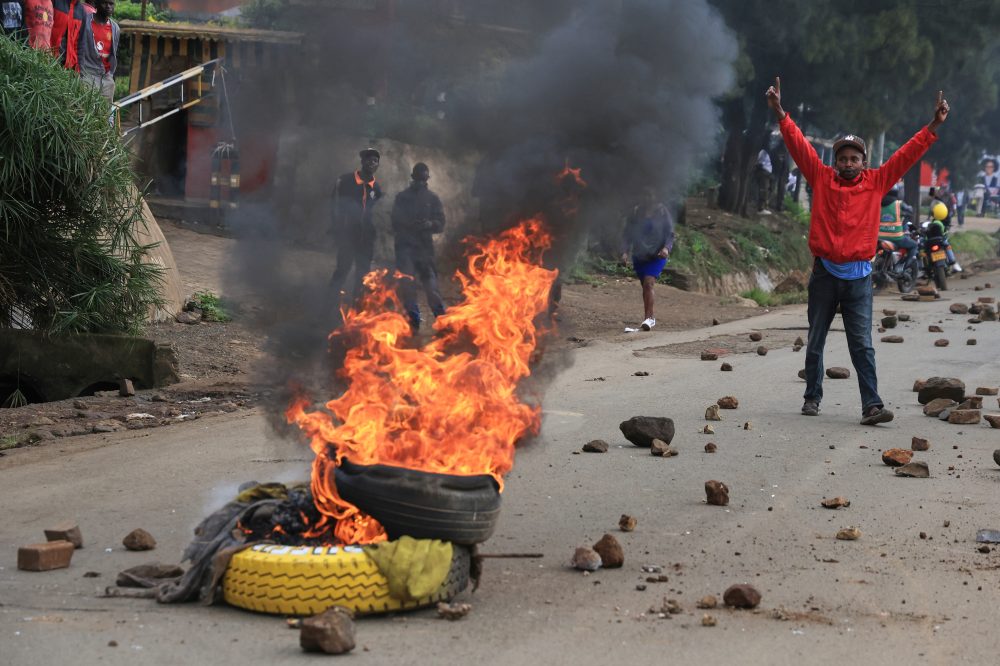
The labor action earlier this week on Monday and Tuesday sparked demonstrations that turned deadly when law enforcement opened fire with live rounds on protesters, resulting in four deaths and injuries to more than 30 people.
Following a Friday meeting between the operators and President William Ruto, the group announced they would not restart their strike after the president committed to lowering diesel costs during June’s scheduled monthly fuel price adjustment.
The president turned down suggestions to cut fuel taxation, maintaining that dropping the VAT on fuel from 16% to 8% had already created substantial revenue shortfalls and that additional reductions would harm the government’s ability to provide services.
Earlier this week, thousands of demonstrators filled the streets, setting tires ablaze on main roadways and preventing private cars from traveling. Schools and businesses stayed shuttered as initial government negotiations with transport operators broke down.
The work stoppage was put on hold Tuesday to enable continued discussions between government officials and fuel industry representatives.
The president, who had been traveling abroad during the strike, came back Thursday and began negotiations that led to the agreement for reduced fuel costs in the next monthly assessment.
Fuel costs in Kenya continue to rank among East Africa’s most expensive, even though the nation functions as a major import center for multiple landlocked countries that depend on Mombasa Port and overland transportation systems.
Opposition leaders have attributed the elevated prices to corruption and what they characterized as unreasonable profit margins by business operators.