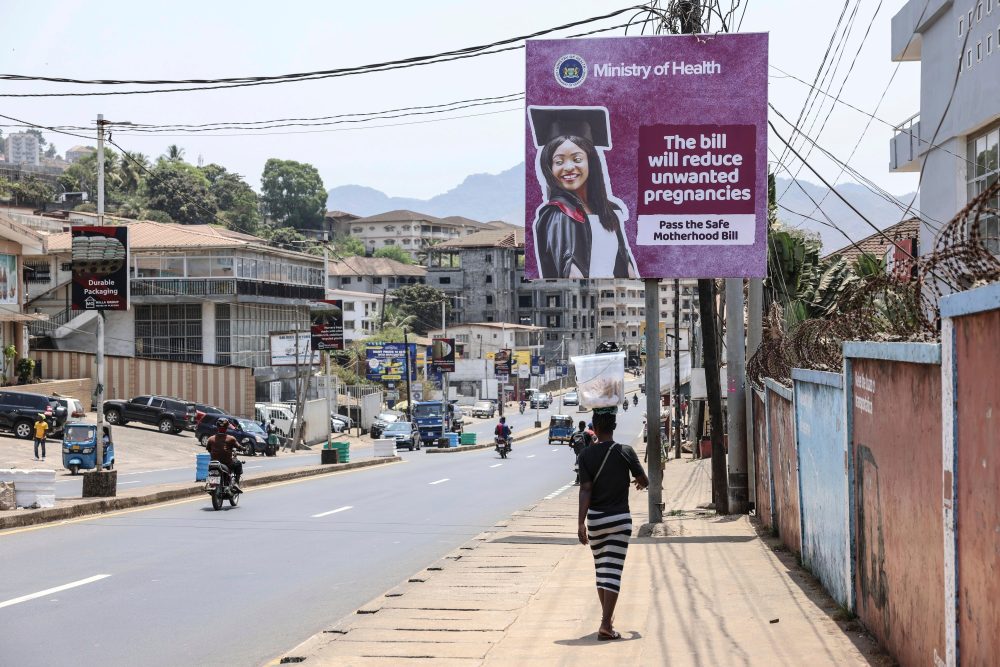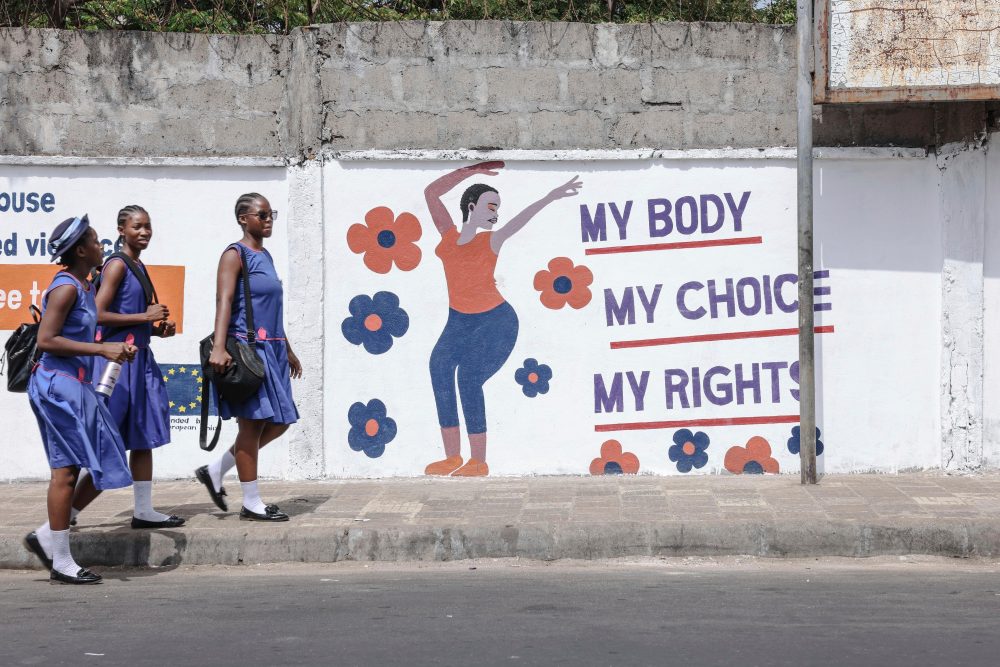

The abortion debate playing out in the United States is having life-or-death consequences for women living thousands of miles away — particularly across the African continent.
For many years, American anti-abortion organizations have pushed for tighter restrictions on abortion both at home and internationally. This year, the Trump administration gave new energy to the movement that seeks to export conservative “family values” abroad, announcing broad new limits on US funding for any organizations involved in abortion-related work overseas. Those restrictions could affect as much as $30 billion in aid.
These new policies are layered on top of years of groundwork already laid by US anti-abortion groups in Africa, a region where healthcare systems are heavily reliant on money from foreign donors.
A financial analysis conducted by the Institute for Journalism and Social Change found that 17 American anti-abortion nonprofit organizations spent a combined total of more than $9.3 million across Africa during 2023 and 2024. That figure comes on top of more than $16 million those same groups directed to the continent between 2019 and 2022 — and researchers say even that earlier number is likely an undercount.
The influx of US support has given confidence to those who harass people working in reproductive healthcare. Medical professionals, nurses, and activists in multiple African countries have been detained by authorities, targeted with threats on social media, and hit with lawsuits.
Africa is already considered the most dangerous region in the world for women of reproductive age, recording the highest rates of maternal deaths and unsafe abortions anywhere on the globe. While the Trump administration and anti-abortion organizations argue they are working to save lives, healthcare workers and advocates on the ground say the real outcome is more women dying.
When the Associated Press asked the US State Department to comment on the Trump administration’s new rules governing American foreign aid, the department responded: “The American people expect their tax dollars to support programs that save lives … and reflect American values, not fund abortion-related activities, left-wing social agendas, or wasteful overseas bureaucracies.”
The department added: “U.S. assistance continues to support a wide range of maternal and child health services as part of the America First Global Health Strategy.”
Tracking the full amount of money that American anti-abortion charitable groups send to Africa is no easy task. Publicly available tax filings from the 17 organizations examined by the Institute for Journalism and Social Change show that the money flowing to Africa jumped 50% between 2019 and 2022, surpassing $16 million. Funding continued to climb after that, with those organizations spending nearly $9.4 million across Africa in 2023 and 2024, according to previously unreported data the institute analyzed.
Even so, the institute’s Claire Provost cautioned that what’s visible is “just the tip of the iceberg.” Unlike most other tax-exempt nonprofits, US-based churches and certain religious organizations are not required to file annual financial disclosures that detail their income, contributions, and spending.
Marie Stopes International reported in 2024 that staff at its reproductive health clinics in several African countries described facing online attacks and legal pressure from US-based anti-abortion organizations and locally operating groups receiving US funding. In Congo, the organization said health workers had been held for days for providing services that are legally allowed, before being released without any charges filed.
“The extent of the opposition has made abortion providers fearful of coming into work,” the report stated.
In Ethiopia, the group reported that the local head of the US-based Family Watch International had “targeted and trolled members of our senior leadership team on social media” and posted YouTube videos spreading false information about abortion.
In Kenya, the names and home addresses of staff at reproductive rights organizations have been posted publicly online, with accusations of murder leveled against them. The owner of a private abortion clinic in Nairobi said staff have been harassed by police and held in detention, with officials allegedly demanding bribes and threatening criminal charges for those who refuse to pay. The clinic owner spoke without being identified out of concern for personal safety.
Kenya’s Health Ministry, Justice Ministry, and the government spokesperson’s office all failed to respond to repeated requests for comment from the Associated Press, including detailed questions sent by email.
An international agreement signed by African nations roughly two decades ago declared access to safe abortion a human right. The agreement, known as the Maputo Protocol, requires countries that signed it to legalize abortion in cases involving rape, incest, fetal abnormalities, or threats to a woman’s health. However, enforcement has been inconsistent, leaving many women to seek out dangerous, illegal procedures. Each year, more than 6 million unsafe abortions are recorded in sub-Saharan Africa, according to the African Institute for Development Policy.
Last year, anti-abortion Christian organizations from the United States, Europe, and Africa joined senior Kenyan officials at a conference held in Nairobi focused on “Promoting and Protecting Family Values in Challenging Times.”
Charles Kanjama, vice chairman of the African Christian Professionals Forum, which organized the conference, described the abortion debate as “a culture war.”
The anti-abortion movement appears to be gaining ground. In May, a Kenyan appeals court reversed a ruling that had affirmed abortion access as a fundamental right — a legal challenge led by Kanjama, who described the court’s decision as having “restored constitutional balance.”
In June, representatives from 20 African countries gathered at a conference in Ghana and finalized a draft charter calling for the rejection of sexual and reproductive health rights. That charter is set to be voted on by the African Union next year. Sharon Slater, co-founder of the US-based anti-abortion group Family Watch International, was among those raising money for the charter’s passage at the European Parliament in Brussels earlier this year.