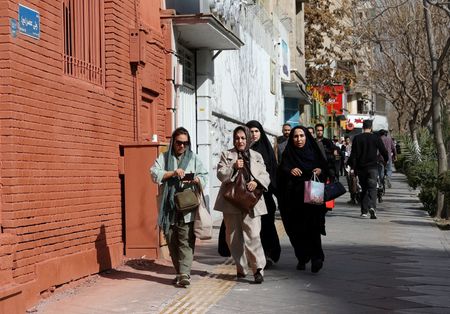

DUBAI – Widespread panic gripped Iran as a joint military operation by the United States and Israel sent civilians fleeing from major cities, with long lines forming at fuel stations as residents sought safety elsewhere, according to eyewitness accounts.
Blasts shook the Iranian capital of Tehran early Saturday, sending smoke plumes across the skyline as the nation began its work week. A Tehran resident told Reuters he was hurrying to collect his children from their school.
“We are scared, we are terrified. My children are shaking, we have nowhere to go, we will die here,” said Minou, a 32-year-old mother of two from the northern city of Tabriz, one of several locations where explosions occurred.
“What is going to happen to my children?” she asked while weeping during a phone conversation.
Iranian security officials warned that additional strikes were anticipated in Tehran and other urban centers, advising citizens to “travel to other cities where possible so that you may remain safe from the harm of these two regimes’ acts of aggression.” Educational institutions at all levels were ordered closed indefinitely.
The military action represents another crisis for Iranian citizens, occurring just weeks following a deadly government suppression of nationwide protests, and eight months after a previous 12-day conflict with Israel that included U.S. bombing of Iranian nuclear facilities.
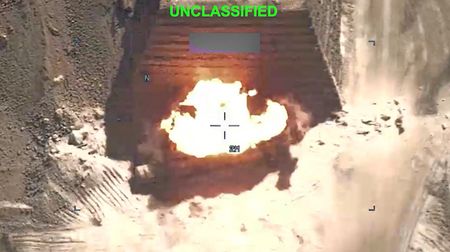
President Donald Trump characterized the mission as necessary to eliminate threats to American security while providing Iranians an opportunity to overthrow their government. Military officials designated the American portion of the strikes as “OPERATION EPIC FURY.”
One Iranian citizen from Yazd in the country’s central region expressed hope that the assault might bring down the religious leadership that has governed since the 1979 Islamic Revolution. “Let them bomb,” the Yazd resident stated.
However, Samira Mohebbi from the northern coastal city of Rasht offered a different perspective.
“I am against this regime, to hell with them. But I don’t want my country to be attacked by foreign forces, I don’t want my Iran to turn into Iraq,” she explained, referencing the neighboring nation that endured years of violence and instability after the U.S.-led invasion removed Saddam Hussein.
Security personnel established roadblocks around Tehran’s government district, which houses the offices of Supreme Leader Ayatollah Ali Khamenei, President Masoud Pezeshkian, and the national legislature, witnesses reported.
The strikes followed unsuccessful nuclear negotiations between Washington and Tehran in Geneva on Thursday, despite Omani intermediaries indicating some advancement in discussions.
“They said the nuclear talks are going well. They fooled us again,” a Tehran resident commented.
International authorities have long maintained suspicions that Iran seeks to develop nuclear weapons, allegations Tehran consistently rejects.
Citizens were observed rushing to purchase foreign currency, while some in Isfahan, another targeted area, reported being unable to access cash from automated banking machines.
Reza Saadati, 45, said he was relocating his family to Urumieh near the Turkish frontier. “If the border is open, we will cross and then fly to Istanbul,” he explained.
Mohammad Esmaili, 63, calling from Ilam approximately 500 kilometers from Tehran, announced plans to evacuate with his relatives. “God knows what will happen to us. Pray for us,” he pleaded.
A Tehran mother of three children expressed the widespread anxiety: “People are shocked, scared. What is going to happen to us? Save us please.”