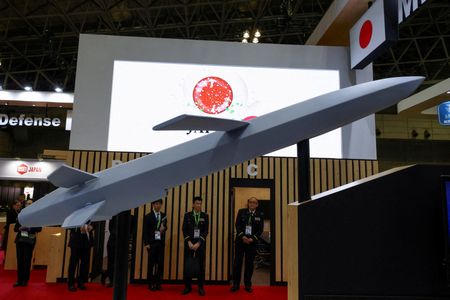

TOKYO, April 21 – Japan announced Tuesday a sweeping transformation of its defense export policies, marking the most substantial change in decades by eliminating barriers that previously restricted overseas weapons sales and clearing the path for international sales of warships, missiles and military equipment.
This policy shift represents Japan’s continued departure from the pacifist constraints that have defined its post-World War II security approach, as the nation works to strengthen its defense manufacturing sector.
Global conflicts in Ukraine and the Middle East have stretched American weapons manufacturing capabilities, creating new market opportunities for Japanese defense contractors. Meanwhile, U.S. partners across Europe and Asia are seeking to diversify their military supply chains amid uncertainty about Washington’s security guarantees under President Donald Trump’s administration.
Reuters has learned from Japanese officials and diplomatic sources that nations from Poland to the Philippines are investigating potential procurement deals as they upgrade their military capabilities. Sources indicate that among the initial transactions could involve selling used naval vessels to Manila.
Prime Minister Sanae Takaichi’s administration approved modifications that eliminate five export restrictions which had previously confined most military sales to rescue, transport, warning, surveillance and mine-clearing equipment. Going forward, ministers and officials will evaluate each proposed sale individually.
Japan will maintain three core export principles requiring rigorous vetting, oversight of third-party transfers, and prohibitions on sales to nations engaged in conflicts. However, government presentations indicate exceptions may be granted when considered essential for national security interests.
The nation anticipates these defense exports will fortify its industrial foundation by increasing production volumes, reducing individual unit costs, and creating manufacturing capacity that could be utilized during military emergencies.
Defense companies like Mitsubishi Heavy Industries possess capabilities to manufacture sophisticated systems including submarines, fighter jets and missile systems, but have historically depended on limited orders from Japan’s Self-Defense Forces as their sole customer.
Japan continues pursuing historic military expansion efforts, acquiring missiles, stealth aircraft and unmanned systems officials say are essential to counter potential threats from neighboring China to Japanese territory, particularly around islands along the East China Sea near Taiwan.
Beijing maintains its regional and global intentions remain peaceful.
Tokyo is also collaborating with Britain and Italy on developing next-generation fighter aircraft for mid-2030s deployment, representing a strategy to share development expenses and access emerging technologies.
Japan has progressively increased defense expenditures to reach 2% of GDP in recent years, with Takaichi’s government expected to announce additional increases when releasing its new security strategy this year.