
Japan has activated its first long-range missile system at a military installation in the country’s southwest, officials announced Tuesday, representing a major expansion of the nation’s offensive military capabilities.
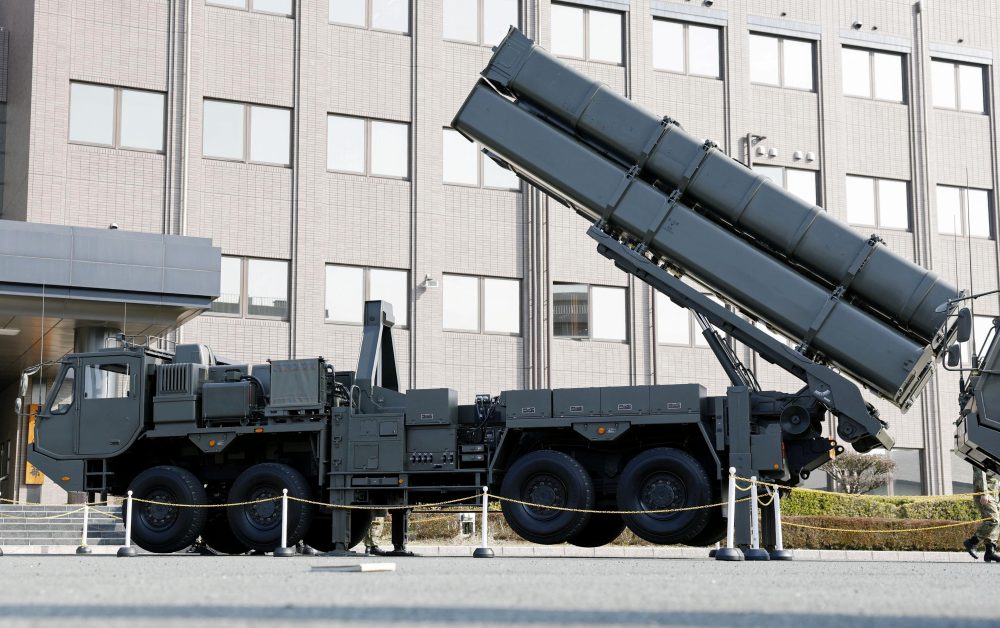
The enhanced Type-12 land-to-ship missile system, manufactured by Mitsubishi Heavy Industries, went into operation at Camp Kengun located in Kumamoto prefecture.
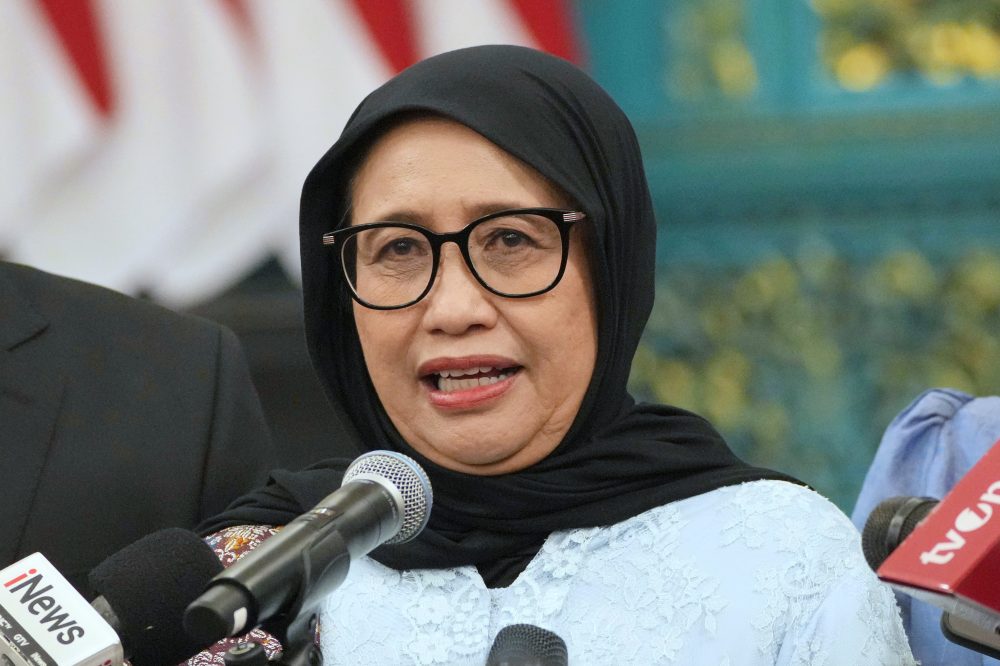
Defense Minister Shinjiro Koizumi addressed reporters about the significance of this development. “As Japan faces the most severe and complex security environment in the postwar era … it is an extremely important capability to strengthen Japan’s deterrence and responsiveness,” Koizumi stated. “It demonstrates Japan’s firm determination and capability to defend itself.”
The modernized Type-12 system can strike targets approximately 1,000 kilometers (620 miles) away, a dramatic increase from the original version’s 200-kilometer (125-mile) capability that now puts mainland China within striking distance.
This missile deployment provides Japan with “standoff” strike capabilities, allowing the country to attack enemy launch sites from distant positions. This represents a departure from Japan’s historically defensive-only military doctrine maintained under its pacifist constitution.
Local citizens who oppose having the weapons stationed near civilian neighborhoods held demonstrations outside Camp Kengun, arguing the deployment could heighten regional tensions and make their community a potential target for adversaries.
On the same day, military officials also activated a hypersonic glide vehicle system at Camp Fuji in Shizuoka prefecture, located west of Tokyo. This new weapons platform was specifically designed for defending Japan’s island territories. Military planners expect to install additional Type-12 missiles and hypersonic systems at various sites across Japan, including northern Hokkaido and southern Miyazaki, with completion targeted for March 2028.
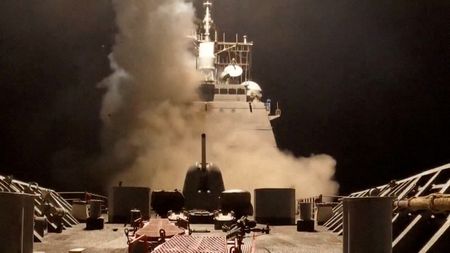
Japan’s military expansion also includes plans to equip the destroyer JS Chokai with American-made Tomahawk cruise missiles capable of reaching targets 1,600 kilometers (990 miles) away later this year, with seven additional destroyers scheduled to receive the same weapons.
Japanese officials view China as the primary regional security challenge and have been strengthening defenses on southwestern islands near the East China Sea in recent years.
Prime Minister Sanae Takaichi’s administration approved a record-breaking defense spending plan in December exceeding 9 trillion yen ($58 billion) for the fiscal year starting in April, focusing on counter-strike capabilities and coastal defenses using cruise missiles and autonomous weapons systems.
Last June, Japan detected two Chinese aircraft carriers operating simultaneously near remote Japanese Pacific islands for the first time, raising Tokyo’s concerns about Beijing’s expanding military presence beyond its territorial boundaries.
Defense officials established a specialized office last week dedicated to monitoring China’s Pacific naval activities.
Regional tensions have intensified following Takaichi’s November declaration that any Chinese military assault on Taiwan could justify Japanese military intervention.