
TEL AVIV, Israel — Israel’s Supreme Court issued a temporary order Friday blocking the government from shutting down international humanitarian organizations operating in Gaza and other Palestinian areas, while overnight military strikes left four people dead in the conflict zone.
The court’s temporary injunction came after 17 humanitarian organizations filed a legal challenge against the Israeli government’s plan to prohibit 37 aid groups from operating by March 1st. The government had threatened the ban because the organizations refused to follow new registration requirements implemented last year.
Under the contested regulations, aid organizations must register employee names and contact details while disclosing funding sources and operational information. The humanitarian groups consider these requirements overly intrusive and arbitrary, warning that forcing them out would severely limit essential services to Gaza’s devastated population.
The court’s temporary order maintains current operations until a final ruling is made, though no timeline has been established for that decision.
“This is, however, a step in the right direction — with a long, long way still to go. We will keep fighting to be able to do our jobs, and deliver life saving assistance to Palestinians in need,” said Athena Rayburn, the executive director of AIDA, an umbrella organization representing over 100 groups operating in the Palestinian territories.
Legal representatives for the humanitarian groups described the court decision as providing Palestinians in Gaza and the West Bank some “breathing room.”
The legal petition challenged the Israeli regulations as violations of international law, arguing that Israel, functioning as an occupying authority, must guarantee food and medical supplies reach civilians. The groups also contended Israel lacks jurisdiction to close organizations in territories under Palestinian Authority administration.
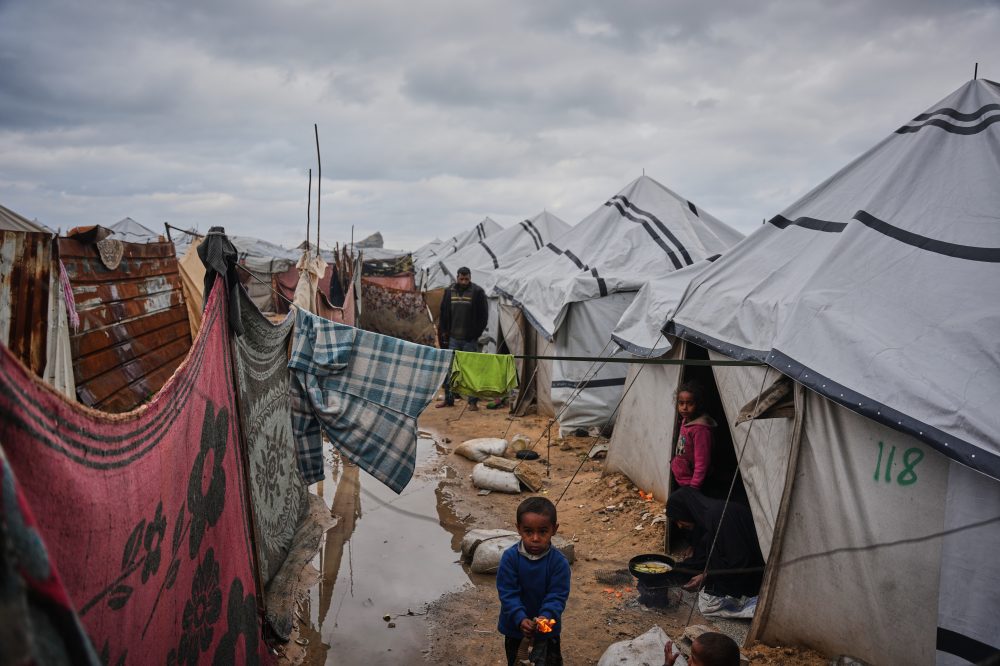
Nearly all of Gaza’s 2 million inhabitants depend on humanitarian organizations for basic necessities including food, water, medical care, and shelter following Israel’s two-year military campaign that devastated the territory. Hundreds of thousands remain in temporary tent housing, with reconstruction efforts yet to commence despite a fragile ceasefire reached in October.
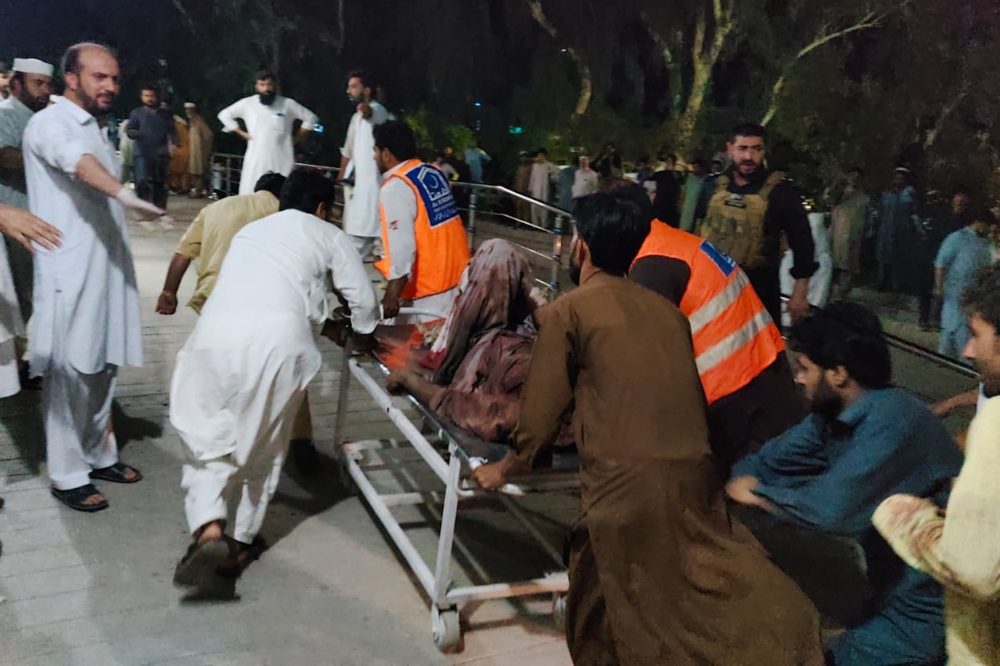
Hospital officials reported that overnight Israeli airstrikes resulted in at least four deaths Friday. These attacks have repeatedly violated the U.S.-brokered truce that began October 10th. Rising Palestinian casualties have led many Gaza residents to believe the conflict continues without interruption.
The military strikes targeted two police checkpoints — one near Khan Younis in southern Gaza and another at Bureij refugee camp. Israel’s military confirmed Friday it eliminated several armed fighters in eastern Rafah near the Egyptian border, stating the strikes responded to ceasefire violations.
In a separate development in the occupied West Bank, the U.S. Embassy began providing consular services Friday at an Israeli settlement for the first time.
This action reflects continuing policy changes under President Donald Trump’s administration, which has shown greater support for Israeli West Bank settlements compared to previous U.S. administrations.
Residents formed lines outside what appeared to be a gymnasium in Efrat, home to approximately 4,000 American citizens. Tables filled the space beneath a wall sign reading: “US Embassy welcome to Efrat.”
Efrat Mayor Dovi Sheffler celebrated the new service availability. “The United States says Efrat is part of Israel, Efrat is going to be forever here,” he said.
The U.S. Embassy has historically offered consular services in Ramallah and other Palestinian West Bank communities with Palestinian American populations.
Over 3.4 million Palestinians and 700,000 Israelis inhabit the occupied West Bank and east Jerusalem, territories Israel captured in 1967 that Palestinians seek for future statehood. International consensus widely regards Israeli settlement construction in these areas as illegal and detrimental to peace efforts.