
Israeli military forces announced Wednesday they have expanded their designated combat zone in southern Lebanon and are directing civilians in the region to relocate northward, threatening to use “great force” against the Lebanese armed group Hezbollah within the area.
The military’s announcement on X appears to indicate an intensification of conflict following more than 120 strikes that targeted Lebanon’s southern and eastern regions on Tuesday, occurring despite a ceasefire that was announced on April 16.
“We advise residents of southern Lebanon to evacuate to the north of the Zahrani River, as all areas south of the river are considered a combat zone,” an Israeli military spokesperson posted on X.
The Zahrani River flows from east to west approximately 40 kilometres (25 miles) north of Israel’s border with Lebanon, with the Lebanese territory located south of the waterway encompassing roughly 2,000 square kilometres.
Israeli Prime Minister Benjamin Netanyahu stated on Tuesday that Israel required additional action in Lebanon to safeguard communities in northern Israel from Hezbollah threats.
Previously, the Israeli military had directed people living below the Litani River further south to depart. The forces had already issued specific evacuation orders and conducted strikes in several dozen towns situated between the Litani and Zahrani rivers.
Wednesday’s directive marked the first instance that residents were commanded to evacuate the complete zone south of the Zahrani.
The Israeli military encouraged civilians to maintain distance from Hezbollah operatives, facilities and weapons locations.
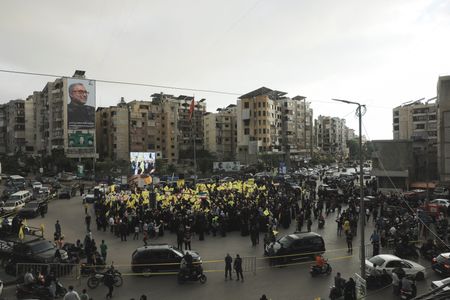
Lebanese security sources informed Reuters that people were moving north toward the port city of Sidon, which is already sheltering thousands of displaced individuals from other areas of southern Lebanon. The latest announcement occurred as Muslims throughout Lebanon were observing Eid al-Adha celebrations.
Over 1.2 million Lebanese citizens have been displaced due to Israeli strikes and evacuation directives since March 2, when Hezbollah launched attacks at Israel in solidarity with its ally Iran.
Following that date, Israeli strikes have battered Lebanon’s southern and eastern regions as well as its capital Beirut, resulting in more than 3,200 deaths, according to Lebanon’s health ministry.
Combat has persisted in southern Lebanon despite a U.S.-brokered ceasefire announced on April 16. The World Health Organization has reported that at least 608 people in Lebanon have died in Israeli attacks since the truce began.
The Israeli military reported that 10 of its soldiers had died since the April 16 ceasefire, with six killed by Hezbollah’s explosive drones.
The Israeli military has extended its ground operations in southern Lebanon beyond a security zone occupied by its troops, though it provided no specifics regarding the scope of advancement past the so-called Yellow Line.
The Lebanese capital Beirut has avoided new strikes, though Israeli surveillance drones can be heard flying overhead daily and a warplane was audible flying low on Wednesday, according to Reuters reporters in the city.
Three senior Israeli officials indicated Israel believes it has operational freedom in southern Lebanon but faces more constraints in Beirut.
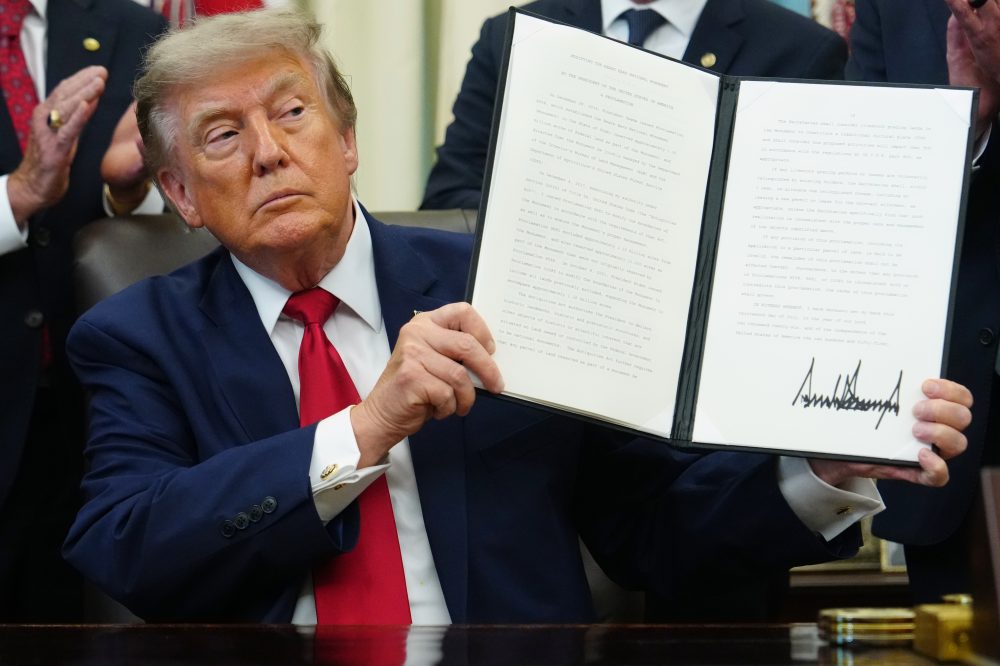
The officials informed Reuters that Israel seeks to avoid appearing to undermine U.S. President Donald Trump’s potential agreement with Iran by destroying buildings in the Lebanese capital.