
BEIRUT – Israeli forces nearly doubled the size of evacuation zones in southern Lebanon on Thursday, just hours after the country’s defense minister announced plans to broaden military operations in the region.
The expanded evacuation orders came one week after Israel began air and ground operations targeting Hezbollah, the Lebanese militant organization that initiated attacks against Israel on March 2. Hezbollah stated these strikes were retaliation for the death of Iran’s supreme leader during the ongoing U.S.-Israeli conflict with Iran.
Since those initial attacks, Hezbollah has launched daily rocket and drone strikes against Israel, including a major assault late Wednesday that prompted intense Israeli bombardment of Beirut’s southern neighborhoods.
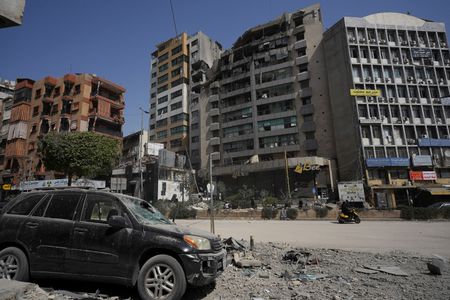
Israeli military operations have targeted Lebanon’s southern regions, eastern areas, and the capital’s southern districts, resulting in more than 600 deaths. The accompanying mass evacuation directives have forced over 800,000 residents from their homes across these zones.
According to Reuters analysis, Thursday’s new evacuation directives posted by Israeli military officials on social media now affect residents across one-tenth of Lebanon’s entire territory.
The Israeli military spokesman directed southern Lebanon residents to relocate north beyond the Zahrani river, positioned approximately 40 kilometers (25 miles) from the Israeli border.
Military officials also issued evacuation warnings for a central Beirut neighborhood near high-end dining establishments, announcing plans to target a specific building in that area.
According to the Islamic Revolutionary Guard Corps, Wednesday’s Hezbollah rocket and drone offensive was coordinated with Tehran’s simultaneous attack. Israeli defense officials confirmed this marked the first synchronized assault by both entities against Israel since hostilities began.
Israeli Defense Minister Israel Katz announced that military commanders had received orders to expand Lebanese operations.
“We promised quiet and security to the communities of the north, and that is exactly what we will deliver,” Katz stated during a senior military leadership meeting.
Katz issued a warning to Lebanese President Joseph Aoun, stating that if Lebanon’s government fails to stop Hezbollah’s attacks on Israel, “we will take the territory and do it ourselves,” his office reported.
Lebanon announced last year its intention to establish exclusive state control over weapons, and the cabinet recently banned all military activities not conducted by official Lebanese forces.
Following Wednesday’s coordinated attack, Foreign Minister Youssef Raggi called in Iran’s charge d’affaires, stating the joint operation violated the recent decree, according to a knowledgeable source.
Israel reports eliminating several Iran Quds Force members operating in Lebanon, including casualties from Sunday’s strike on a central Beirut hotel.
Thursday’s early morning strike in Beirut claimed 12 lives, Lebanon’s health ministry confirmed.
The attack struck a waterfront sidewalk where dozens of displaced families had erected temporary shelters and were sleeping outdoors.
“Who’s in these tents? There are children, elderly people, and women in them. Israel… what justification will it create for last night’s strike?” questioned Abu Ali, a displaced resident.
“My heart is dead, my heart is dead. I’m not like before, when one would be afraid only for himself,” he shared with Reuters.
The United Nations International Organization for Migration director condemned Thursday’s attack. “Many displaced people who have been forced to make the streets of Beirut their home … Tents and makeshift shelters offer no protection from the dangers of bombardment,” Amy Pope declared in an official statement.