
Thursday marks the beginning of another diplomatic session between Israeli and Lebanese representatives in Washington, as efforts to extend a fragile ceasefire continue. At the same time, discussions between Iran and the United States appear increasingly unlikely after Tehran criticized American negotiators for operating without “good faith.”
On Wednesday, Iranian forces attacked three vessels navigating the Strait of Hormuz, successfully capturing two of them. This aggressive action represents an escalation in Tehran’s campaign against maritime traffic in the crucial shipping corridor, occurring just one day after President Donald Trump prolonged a ceasefire agreement while keeping the American blockade of Iranian ports in place.
The ongoing confrontation between Washington and Tehran has virtually halted all export activity through the strait, which typically handles one-fifth of global oil shipments during peaceful periods. No resolution appears imminent for this critical situation.
Although Pakistan had offered to facilitate additional negotiations, the White House canceled Vice President JD Vance’s scheduled visit to Islamabad after Iran rejected attempts to resume diplomatic conversations.
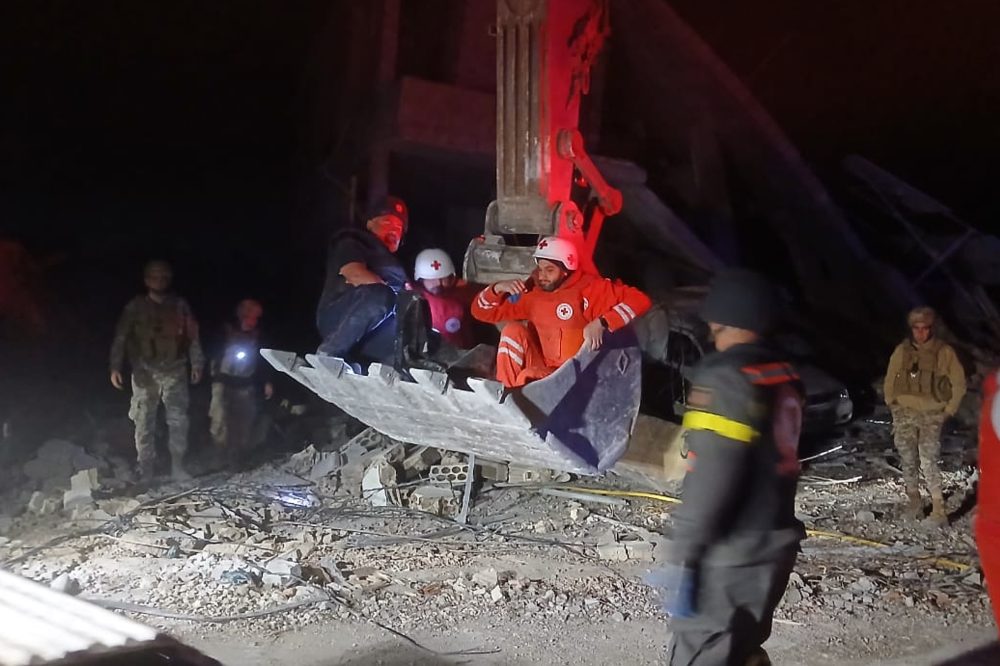
In Lebanon’s southern region, Israeli military operations resulted in at least six fatalities and multiple injuries across three separate incidents, according to regional officials. Israeli authorities disputed responsibility for one attack and have not yet responded regarding the remaining strikes.
These military actions occurred as diplomatic representatives from both Israel and Lebanon prepared for renewed discussions in Washington aimed at prolonging the delicate 10-day ceasefire that commenced last week.
In a related development, Iran announced Thursday that it had executed another individual connected to the Iranian opposition organization Mujahedeen-e-Khalq.
Iranian judicial news service Mizan named the executed man as Soltanali Shirzadi Fakhr.
Officials alleged his collaboration with Israel’s Mossad intelligence agency, though they provided no supporting evidence. Authorities also withheld details about when or where his arrest occurred.
Throughout the current conflict, Iran has claimed connections between many executed individuals and Israeli intelligence. Human rights advocates maintain that Iran consistently conducts capital punishment proceedings in secret, relies on forced confessions, and prevents defendants from adequately contesting evidence presented against them.
This execution increases the total number of MEK organization members put to death since hostilities began to nine.