
Economic conditions in Iran have deteriorated to levels not witnessed since the 1940s, as the nation’s Central Bank released data Monday showing inflation has skyrocketed to historic proportions.
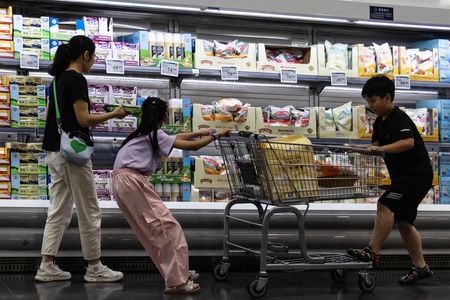
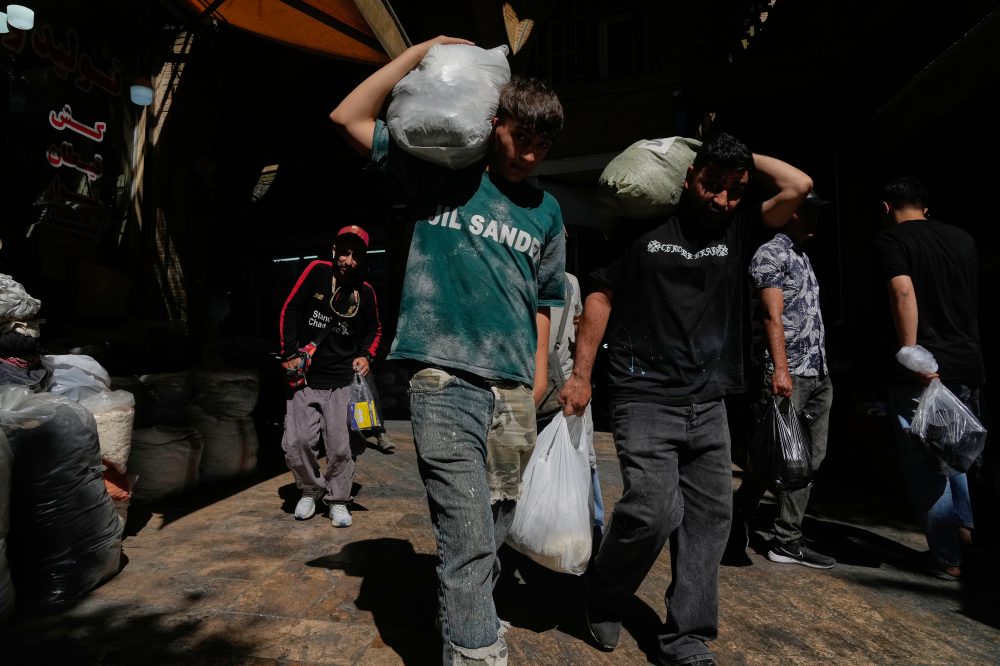
The bank’s report marks the first time officials have formally recognized what Iranian citizens already experience daily when shopping for groceries, paying taxi fares, or seeking medical care: their currency has been devastated by ongoing warfare and the uncertainty surrounding potential escalation.
According to the Central Bank data, consumer prices for a standard basket of goods and services climbed 77.2% in May compared to the previous year. The monthly increase from April alone was 8.5%. Essential items including medicine, transportation, tobacco, and communication services saw even steeper price jumps of 113.8% year-over-year.
The last time Iran experienced comparable economic hardship was in 1942, when British and Soviet forces occupied the country and seized control of its railway system, creating severe food shortages. Combined with poor agricultural yields, this led to widespread hunger and disease outbreaks that claimed many lives.
A domestic research organization, the Bamdad Institute of Economic Studies, characterized the current inflation figures as “an unprecedented rate since World War II.” The Central Bank itself did not comment on the historical significance of these numbers.
The economic deterioration stems from multiple factors, including military strikes that have damaged Iranian businesses and oil facilities this year. Additionally, a U.S. naval blockade continues to intercept Iranian oil shipments bound for international markets, cutting off a crucial revenue stream. Tax collections have also declined as businesses struggle even during periods when fighting has paused.
The Iranian rial has experienced catastrophic devaluation, falling from 32,000 per dollar in 2015 to more than 1.7 million per dollar currently.
“We will definitely have higher prices,” Iranian President Masoud Pezeshkian cautioned in May. “We are fighting and we must accept this hardship.”
Historical precedent suggests such economic pressure could trigger widespread civil unrest. Food price increases in 2017-2018 led to demonstrations that resulted in over 20 deaths and hundreds of arrests. Later protests over gasoline subsidies reportedly killed more than 300 people. Earlier this year, currency-related demonstrations became the most significant challenge to the Islamic Republic since the 1979 revolution.
Despite efforts by hardline groups to maintain morale through weapons training and public ceremonies, experts warn that new protests could emerge if families can no longer afford basic necessities.
“I have no doubt that if Trump leaves (Iran without a formal peace deal) … most probably, we will see something like January by the end of summer because of the economic and social situations,” analyst Mohsen Jalilvand said in a video published by Iran’s Fararu news website.
Tehran-based economist Saeed Leilaz, speaking to The Associated Press, warned that annual inflation in Iran could reach 80%.
“Iran’s society cannot tolerate above 25%” annual inflation, he said.