
A decade after Muhammad Ali’s passing, his widow is reflecting on how the boxing legend’s impact reached far beyond his athletic achievements and into the realm of humanitarian service, she shared in a recent interview.
Lonnie Ali spoke with reporters this week as the 10th anniversary of her husband’s death approaches on June 3, 2016, following his lengthy fight against Parkinson’s disease.
“He transcended boxing into every space you can imagine,” she told The Associated Press this week ahead of the 10-year anniversary of Ali’s death on June 3, 2016, after a long battle with Parkinson’s disease.
Speaking from The Muhammad Ali Center in Louisville, Kentucky, where she serves as lifetime director, Lonnie Ali shared her late husband’s guiding philosophy. “Muhammad lived by this mantra: service to others is the rent we pay for our room here on earth,” she explained. “He showed up every day with kindness and empathy in his heart for people who are in need.”
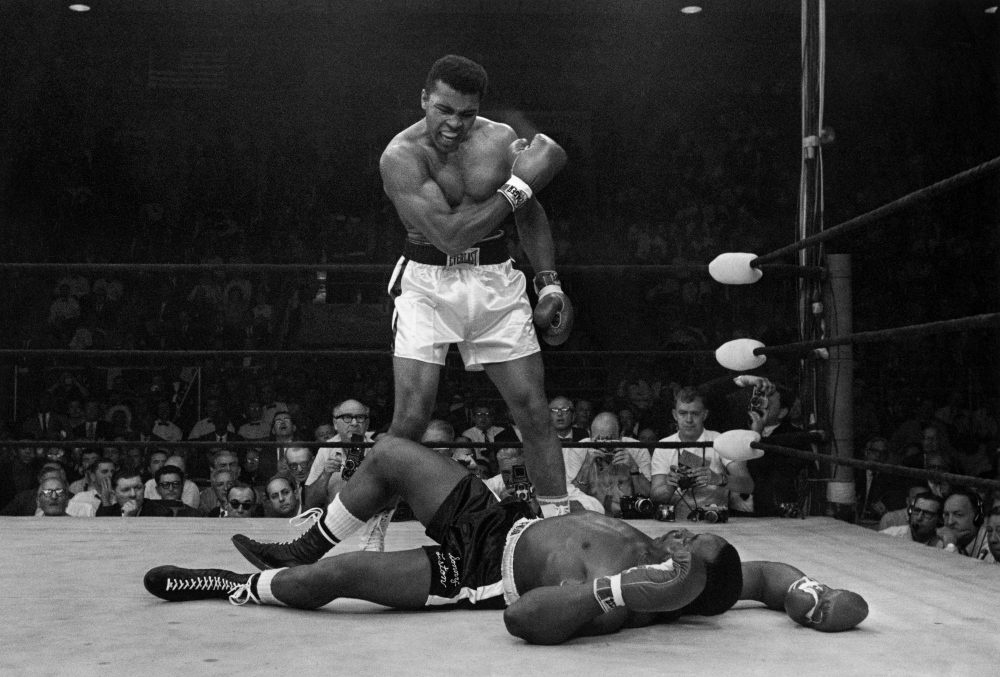
The heavyweight champion, nicknamed the “Louisville Lip” in his birthplace, gained fame during the 1960s not only for his bold personality and boxing prowess but also for his advocacy on civil rights matters. He captured the heavyweight championship on three separate occasions and is considered by many to be boxing’s most significant and influential figure.
To mark Wednesday’s anniversary, The Ali Center is hosting a “Day of Compassion” designed to encourage acts of kindness and community service. Lonnie Ali expressed hopes that this could become a yearly tradition celebrating volunteer work and charitable efforts.
She emphasized that the event focuses on “the core values that made up Muhammad Ali” during a time when the nation faces increasing division.
“Today, we are in a place where we are losing touch with our humanity and with each other,” she said. “It’s causing rifts, not just in families and communities, but in this nation. We’re becoming increasingly polarized and separated, and sort of retreating to people who think like us, look like us, and not really reaching out.”
Lonnie Ali also called on elected officials to govern with greater compassion, referencing recent Supreme Court decisions that have weakened the 1965 Voting Rights Act.
“We should always be thinking about how we can uplift a community, not how we can make it harder for them,” Lonnie Ali said. “We want equal representation in this country. You can’t have equal representation when you’re denying people voting rights, you can’t do that.”
Despite current challenges, she remains optimistic, drawing inspiration from how Louisville united during the week-long tribute to Ali in 2016. The commemoration culminated with a funeral procession that passed by the champion’s humble childhood residence in the downtown area. Former President Bill Clinton and actor Billy Crystal delivered eulogies, while Will Smith, who played Ali in a 2001 film, served as a pallbearer.
The memorial service in Ali’s hometown was broadcast live to millions of viewers worldwide. Recently, Ali’s image appeared on a U.S. Postal Service stamp for the first time, demonstrating his lasting cultural significance.
“We’re talking about people who traveled thousands of miles to come here, who had never met the man, never laid eyes on him personally, but wanted to … give their last respects to him: kings, princes, presidents, heads of state, celebrities, sports figures,” Lonnie Ali said.