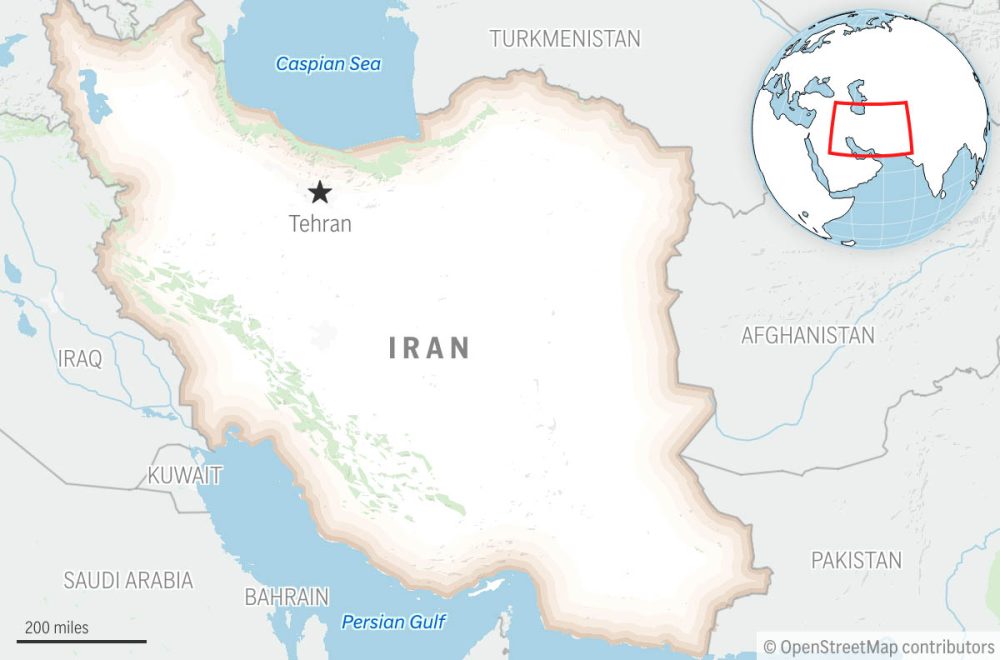

Iran’s Foreign Minister departed from Tehran on Sunday, heading to Geneva for a second phase of nuclear discussions with the United States, according to reports from Iranian state media.
Abbas Araghchi and his diplomatic team made the journey to Switzerland following initial indirect negotiations that occurred in Oman the previous week. The state-run IRNA news agency confirmed through its Telegram channel that Oman would continue serving as mediator for the Geneva discussions.
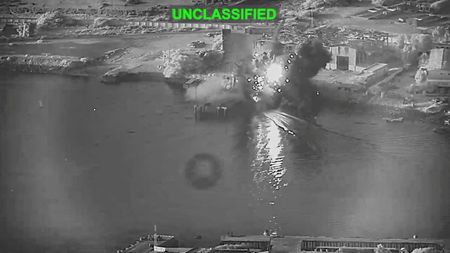
Previous diplomatic efforts collapsed last year when Israel initiated a 12-day military campaign against Iran, during which the United States conducted bombing operations targeting Iranian nuclear facilities.
President Donald Trump has consistently issued warnings about potential military action to force Iran into limiting its nuclear activities. Iranian officials have indicated they would retaliate with their own attacks in response to such threats. Trump has also issued warnings to Iran regarding its violent suppression of recent nationwide demonstrations.
Regional Gulf Arab nations have expressed concerns that any military confrontation could escalate into a broader Middle Eastern conflict.
The current Trump administration maintains its position that Iran must completely halt all uranium enrichment activities, a demand that Tehran has stated it will not accept.
While Iran maintains its nuclear activities serve peaceful purposes, government officials have made increasing threats about developing nuclear weapons capabilities. Prior to the June conflict, Iran had been processing uranium to 60% purity levels, bringing it close to weapons-grade enrichment.
During his Geneva visit, Araghchi plans to hold meetings with Swiss and Omani foreign ministers, along with the head of the International Atomic Energy Agency, the UN’s nuclear monitoring organization.
On Sunday morning, Secretary of State Marco Rubio expressed Washington’s continued commitment to finding a diplomatic resolution to the dispute with Tehran, noting that Trump’s representatives Steve Witkoff and Jared Kushner were en route to participate in the upcoming negotiations.
Trump announced Friday that the USS Gerald R. Ford, the largest aircraft carrier in the world, would be relocated from the Caribbean to the Middle East to supplement existing U.S. military presence in the region. He also stated that a leadership change in Iran “would be the best thing that could happen.”
Rubio characterized recent military deployments in the Middle East as defensive measures designed to strengthen protection for U.S. facilities and interests. Iran has issued threats to target American military installations in the region should Washington launch strikes. In June, Tehran attacked Qatar’s Al Udeid Air Base, though the assault resulted in no casualties among American or Qatari personnel.
“No one’s been able to do a successful deal with Iran, but we’re gonna try,” Rubio stated during a press conference following his meeting with Slovakian Prime Minister Robert Fico in Bratislava. “We are focused on negotiations.” Trump has recently indicated his main objective involves reducing Iran’s nuclear capabilities, while Iranian officials want discussions limited exclusively to nuclear matters. However, Israeli Prime Minister Benjamin Netanyahu, who met with Trump in Washington this week, has been advocating for an agreement that would eliminate Iran’s missile program and halt its financial support for allied groups including Hamas in Gaza and Hezbollah in Lebanon.