
Iran’s top diplomat expressed optimism Tuesday about reaching an agreement with the United States, stating that a deal could be achieved if diplomatic solutions take precedence over other approaches.
Foreign Minister Abbas Araqchi made the statement ahead of planned discussions between the two nations scheduled for Thursday in Geneva, where American representatives Steve Witkoff and Jared Kushner are expected to meet with Iranian negotiators.
“We have a historic opportunity to strike an unprecedented agreement that addresses mutual concerns and achieves mutual interests,” Araqchi wrote on social media platform X.
The Iranian foreign minister indicated his country would approach the upcoming discussions “with a determination to achieve a fair and equitable deal in the shortest possible time.”
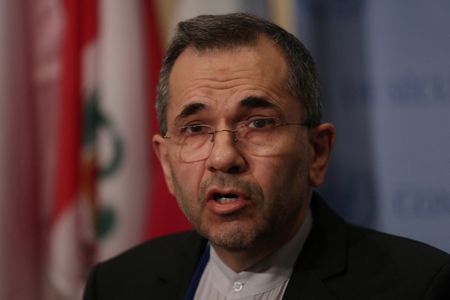
Deputy Foreign Minister Majid Takht-Ravanchi echoed this sentiment, telling state media that Iran was prepared to take necessary measures to secure an agreement with Washington.
“We are ready to reach an agreement as soon as possible. We will do whatever it takes to make this happen. We will enter the negotiating room in Geneva with complete honesty and good faith,” Takht-Ravanchi stated.
The negotiations resume after talks earlier this month occurred while the United States has been strengthening its military presence in the Middle East region. Iranian officials have warned they would target American military installations in the area if their country faces attack.
White House Press Secretary Karoline Leavitt responded Tuesday that President Trump prefers diplomatic solutions but remains prepared to authorize military action when needed.
According to a senior Iranian source who spoke with Reuters, Tehran is considering several nuclear-related concessions. These include shipping half of its most enriched uranium to other countries, reducing the concentration of remaining stockpiles, and participating in a regional uranium enrichment partnership.
In exchange, Iran seeks American acknowledgment of its rights to “peaceful nuclear enrichment” and the removal of economic penalties currently imposed on the country.
“If there is an attack or aggression against Iran, we will respond according to our defence plans… A U.S. attack on Iran is a real gamble,” Takht-Ravanchi warned.
Previous indirect negotiations between the countries last year failed to produce results, largely because Washington demanded Iran cease all uranium enrichment activities on its territory, viewing such operations as potential weapons development.
Iranian officials have consistently rejected accusations that they seek nuclear weapons capability.
Last June, American and Israeli forces targeted Iranian nuclear facilities, significantly reducing the country’s enrichment operations. President Trump later claimed key nuclear sites were “obliterated,” though Iran is believed to retain previously enriched uranium stockpiles that Washington wants eliminated.