
With just days remaining before a crucial Wednesday evening deadline, diplomatic efforts to extend the current ceasefire between the United States and Iran face significant challenges as negotiators struggle to resolve fundamental disagreements.
Two primary issues continue to block progress in the talks: the future status of the strategically important Strait of Hormuz waterway and ongoing concerns about Iran’s nuclear enrichment activities.
The Strait of Hormuz serves as a vital shipping corridor for global oil transportation, making its control a matter of international economic concern. Meanwhile, Iran’s nuclear program remains a central point of contention as world powers seek to prevent further uranium enrichment that could lead to weapons development.
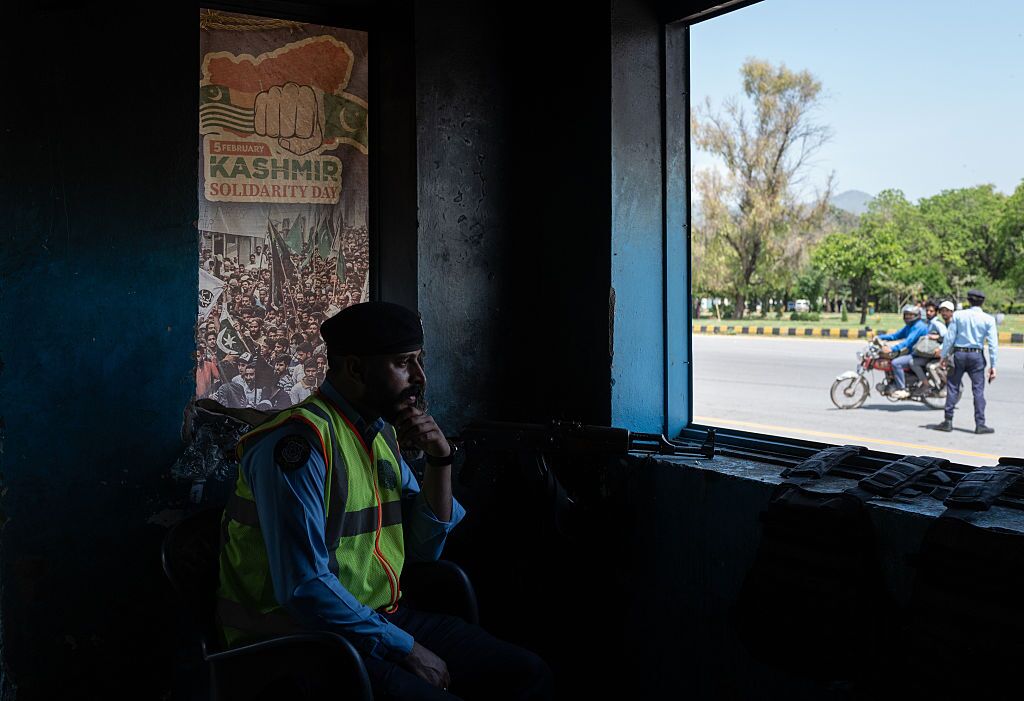
Security measures have been heightened in the region as diplomatic teams work against the clock to find common ground before the current truce arrangement expires. Pakistani security forces have increased their presence at checkpoints amid reports of potential high-level meetings between American and Iranian officials.
The outcome of these negotiations could have far-reaching implications for regional stability and global energy markets, as both sides attempt to bridge their differences before time runs out.