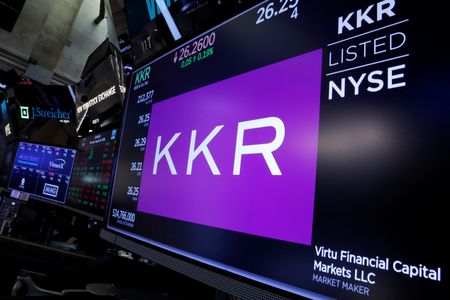

Investment powerhouse KKR announced Monday it will pump $300 million into its struggling private credit fund FS KKR Capital as the fund grapples with mounting losses and a steep decline in asset values.
The fund, known as FSK, has been hit hard along with similar investment vehicles as concerns grow about lending practices and the potential impact of artificial intelligence disruption on software companies that borrowed heavily. Investors have been pulling money from these funds while their stock market performance has deteriorated.
Over the past 12 months, FSK has seen its value plummet by 46%, and last month Fitch ratings agency downgraded the fund to junk status.
According to a company statement, KKR plans to purchase $150 million worth of convertible perpetual preferred stock and will launch a tender offer to buy up to $150 million in common stock at $11 per share. The company noted it “believes the intrinsic value of FSK’s common stock is in excess” of that offering price.
Additionally, the fund has approved a $300 million stock buyback program.
The fund’s financial troubles are evident in its rising non-accrual rate, which measures loans that have stopped generating interest or are unlikely to be repaid. This rate climbed to 4.2% of the portfolio’s fair value from 3.4% at the end of December. Raymond James analysts described this worsening trend as “exacerbating FSK’s concerning credit trends versus peers.”
FSK attributed the drop in asset values to investments that had already hurt performance in previous quarters, newly non-performing assets, and spread widening, where investors demand higher returns for taking on riskier debt investments.
The fund’s net asset value per share dropped to $18.83 from $20.89 at year-end, while losses per share expanded significantly to $1.57 from 41 cents.
Among the fund’s troubled investments are holdings in companies like software company Medallia, which sources say is expected to be handed back to creditors in a move that could eliminate $5.1 billion in equity value for owner Thoma Bravo and other investors.
Looking ahead, Raymond James analysts warned: “We believe the remaining portfolio quality … is likely to deteriorate through the remainder of 2026.”