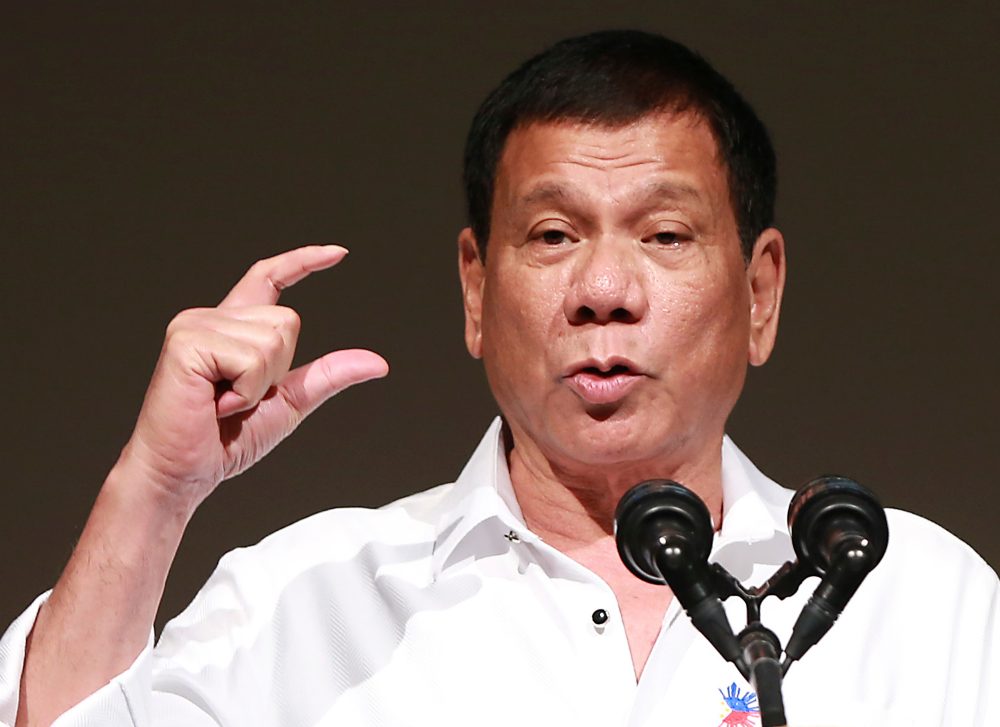

THE HAGUE, Netherlands — International Criminal Court judges gave the green light Thursday for crimes against humanity charges to proceed against former Philippine President Rodrigo Duterte over his lethal anti-narcotics operations during his tenure in office.
Three judges reached a unanimous decision that substantial evidence exists to support allegations that the former leader orchestrated numerous killings, beginning during his time as mayor of Davao in southern Philippines and continuing throughout his presidency from 2016 to 2022.
The 81-year-old Duterte was taken into custody in the Philippines last year and maintains his innocence regarding all accusations.
The judges’ comprehensive 50-page ruling determined that evidence demonstrates Duterte “developed, disseminated and implemented” a strategy “to ‘neutralize’ alleged criminals.”
Court prosecutors allege that law enforcement officers and assassination teams executed numerous killings on Duterte’s orders beginning in 2011, driven by financial incentives or fear of becoming victims themselves.
“For some, killing reached the level of a perverse form of competition,” deputy prosecutor Mame Mandiaye Niang told the court in pretrial hearings in February.
Death toll estimates from Duterte’s presidential administration range widely, from over 6,000 according to national police records to as many as 30,000 as claimed by human rights organizations.
In a Wednesday statement, prosecutors described the ruling as “a significant milestone” in their pursuit of accountability.
Duterte’s primary defense attorney Nick Kaufman expressed disappointment to The Associated Press, arguing the decision “is based on the uncorroborated statements of vicious self-confessed murderers acting as cooperating witnesses.”
No trial date has been scheduled yet.
Duterte has chosen not to attend any court proceedings, having waived his right to appear. Last month, judges determined he was mentally competent to stand trial after delaying an earlier session due to health concerns.
In the Philippines, relatives of those killed during the harsh anti-drug operations celebrated the court’s decision, viewing it as progress toward justice and closure for a devastating period in their lives.
“This is for all the victims, who were not even given the chance to be recognized as victims because their stories were twisted in police reports, investigations and findings,” said Randy delos Santos, whose nephew, Kian delos Santos, was gunned down in an alley in August 2017 by three police officers.
“Unlike Kian, most other victims were nameless, voiceless and were just numbers and statistics whose horrific stories were never heard. Now the ICC will give their stories a chance to be told,” delos Santos told The Associated Press.
Human rights organizations also welcomed the court’s action.
“Duterte’s trial will send a powerful message that no one responsible for grave crimes is above the law, whether in the Philippines or elsewhere, and that justice will eventually catch up with them,” Maria Elena Vignoli, senior international justice counsel at Human Rights Watch, said.
ICC prosecutors announced in 2018 their intention to launch a preliminary examination of the violent drug enforcement operations. Human rights advocates believe Duterte’s subsequent announcement that the Philippines would withdraw from the court was an attempt to escape accountability.
On Tuesday, appeals court judges denied a motion from Duterte’s legal team to dismiss the case based on claims the court lacked authority due to the Philippine withdrawal.
In October, judges removed the court’s chief prosecutor Karim Khan from the case due to a “reasonable appearance of bias” since he had previously represented victims of Duterte’s alleged crimes before joining the ICC. Khan had already stepped aside pending an independent probe into sexual misconduct allegations.