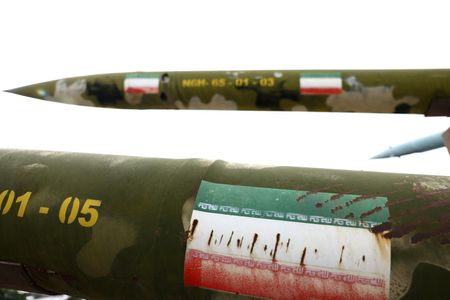

WASHINGTON – American intelligence officials can verify the destruction of only about one-third of Iran’s extensive missile stockpile as military operations against the nation approach the one-month milestone, according to five sources with knowledge of classified intelligence assessments.
Another third of Iran’s weapons may have been damaged, destroyed, or buried within underground tunnel networks and bunker systems during bombing campaigns, though the status remains uncertain, four intelligence sources revealed. All sources requested anonymity due to the classified nature of the information.
Intelligence officials report similar findings regarding Iran’s drone arsenal, with confirmed destruction of roughly one-third of those capabilities as well.
These internal assessments, never before made public, indicate that while most Iranian missiles are either eliminated or unreachable, Tehran maintains substantial weapons reserves and could potentially recover buried or damaged systems after hostilities cease.
The intelligence findings contradict President Trump’s Thursday statements claiming Iran had “very few rockets left.” However, Trump acknowledged the ongoing threat from remaining Iranian weapons systems to potential U.S. operations protecting the strategically important Strait of Hormuz.
Reuters previously reported that Trump is considering escalating the conflict by sending American ground forces to Iranian coastlines near the Strait.
“The problem with the straits is this: let’s say we do a great job. We say we got 99% (of their missiles). 1% is unacceptable, because 1% is a missile going into the hull of a ship that cost a billion dollars,” Trump stated during a televised Cabinet meeting Thursday.
Pentagon and White House officials did not respond to requests for comment.
Democratic Representative Seth Moulton, a Marine veteran with four Iraq deployments, refused to discuss Reuters’ intelligence findings but challenged Trump’s characterizations of the war’s effectiveness against Iranian capabilities.
“If Iran is smart they’ve retained some of their capability – they’re not using everything that they have. And they’re laying in wait,” Moulton stated.
The Trump administration has outlined goals to diminish Iran’s military strength by eliminating its naval forces, destroying missile and drone systems, and preventing nuclear weapons development.
U.S. Central Command reports that Operation “Epic Fury,” launched February 28 alongside Israeli forces, is meeting or exceeding initial timeline projections.
American strikes have targeted over 10,000 Iranian military installations through Wednesday, with Central Command claiming destruction of 92 percent of Iran’s major naval vessels. Military officials have released footage showing attacks on weapons manufacturing facilities, emphasizing efforts to eliminate not just existing stockpiles but production capabilities.
Central Command has declined to specify exact percentages of destroyed missile or drone capabilities.
Intelligence sources cite difficulties determining pre-war missile quantities stored in underground facilities. The U.S. has not publicly disclosed estimates of Iran’s initial weapons stockpile.
Military analysts estimate Iran possessed between 2,500 missiles according to Israeli assessments and approximately 6,000 based on independent analysis.
Despite intensive American bombardment, Iran continues demonstrating active weapons capabilities.
Thursday alone saw Iran launch 15 ballistic missiles and 11 drones targeting the United Arab Emirates, according to UAE Defense Ministry reports.
Iranian forces have also revealed new capabilities, including their first long-range missile strikes against the U.S.-UK Diego Garcia military installation in the Indian Ocean last week.
Nicole Grajewski, an Iranian missile expert at Sciences Po university in Paris specializing in Islamic Revolutionary Guard Corps analysis, suggested the Trump administration may have exaggerated strike effectiveness against Iranian capabilities.
She highlighted Iran’s continued ability to launch attacks from the heavily bombed Bid Kaneh military complex.
“The fact that they’ve managed to sustain this, I think, indicates the U.S. was overstating the success of its operation,” Grajewski explained, estimating Iran retains approximately 30 percent of missile capabilities.
Grajewski noted Iran operates more than twelve major underground facilities housing missile launchers and weapons systems.
“The big question is: have these facilities collapsed?” she questioned.
A senior U.S. official expressed doubt about America’s ability to accurately evaluate Iranian missile capabilities, particularly given uncertainty about underground weapons accessibility. “I don’t know if we’ll ever have an accurate number,” the official acknowledged.
Defense Secretary Pete Hegseth recognized challenges posed by Iran’s tunnel networks during March 19 remarks, stating: “Iran is a vast country. And just like Hamas and their tunnels (in Gaza), they’ve poured any aid, any economic development, humanitarian aid, into tunnels and rockets.”
“But we are hunting them down methodically, ruthlessly and overwhelmingly, like no other military in the world can do, and the results speak for themselves,” Hegseth added, without providing specific destruction percentages.