
Indonesia is working on a plan to weave artificial intelligence into several of its flagship government programs, including a massive $15 billion initiative to provide free meals to citizens, according to a draft presidential regulation reviewed by Reuters.
The document outlines a roadmap for government ministries and regional agencies to adopt AI technology between 2026 and 2029. Officials believe the effort could grow Indonesia’s gross domestic product by 12%, or roughly $366 billion, by 2030. The stated goals include driving economic growth and making Indonesia more competitive with neighboring countries in the region and around the world.
Compared to Singapore and Malaysia — which have attracted billions of dollars in investment from major technology companies looking to build cloud and AI infrastructure — Indonesia has been slower to advance in the AI space.
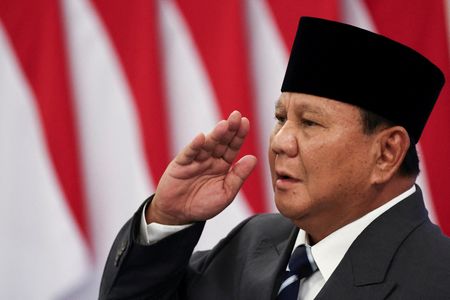
The draft regulation has not been previously reported and is currently awaiting the signature of President Prabowo Subianto. His office did not respond to a request for comment on timing.
Tech analyst Wahyudi Djafar, who helped write portions of the regulation and serves on a government AI task force, said companies including Meta Platforms, IBM, and Microsoft contributed to the drafting process. Those companies did not immediately respond to requests for comment. In 2024, Microsoft announced a $1.7 billion commitment to expand cloud and AI services in Indonesia over several years.
Within the free meals program, the draft says AI would be used to design menus tailored to specific regions, track kitchen cleanliness, forecast food demand, flag irregularities, and connect health data to support early emergency warnings.
The free meals program has faced significant scrutiny. Earlier this month, the head of the program was removed from his position and arrested. Tens of thousands of children experienced food poisoning last year, raising concerns about safety standards. Questions about spending efficiency have also surfaced given Indonesia’s tight budget situation.
Beyond the meal program, the regulation calls for AI to assist with health screenings and tuberculosis testing across the country.
The document also revisits a proposal for a “sovereign AI fund” to be managed primarily through the country’s new wealth fund, Danantara Indonesia, and suggests offering financial incentives to AI researchers while working to address workforce skill gaps.
A companion regulation in the draft would require government bodies to report AI-related risks, including the misuse of biometric data, violations of intellectual property, and the spread of deepfakes.
Not everyone is optimistic about the plan’s prospects. Derwin Suhartono, a professor of artificial intelligence at Bina Nusantara University in Jakarta, said Indonesia has yet to establish itself as a competitive player in AI development and warned the country “may stay as a consumer of products that foreign companies sell to.” He also cautioned that while a structured roadmap for using AI in government programs is possible, the execution so far has been “all rhetoric.”
Analysts more broadly note that Indonesia lacks the infrastructure — including computer chips — and the skilled workforce needed to become a true AI developer rather than simply a user of technology built elsewhere.