
Among the burger stands, beer tents, and global corporate sponsors at Vancouver’s FIFA World Cup fan festival, one booth stood apart. Laurine Daniels and her family, members of the Squamish Nation, spent Sunday selling handcrafted jewelry to soccer fans who had gathered to watch Canada take on South Africa.
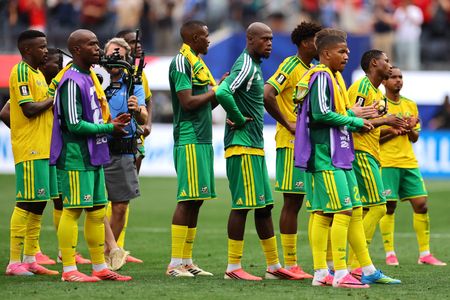
Thousands of red-clad supporters packed Hastings Park for the occasion, and they were rewarded with a 1-0 victory, sealed by a late goal from Stephen Eustaquio. It marked the first men’s World Cup knockout round win in Canadian soccer history.
“It’s amazing. This is one reason why we said yes when we were asked to come and represent Squamish Nation — we were excited because this is part of history,” Daniels told Reuters. “We’re making history by having the World Cup, and we’re part of the hosts, so it’s amazing.”
While other festivalgoers lined up for food and drinks from some of the world’s largest companies, Daniels and her daughters Amanda and Heather worked from the shade of their stand, displaying handmade earrings, necklaces, and trinkets that caught the attention of many passersby.
“We’re beaders, we’re artists, and this is part of our culture,” Daniels explained. “That’s why we’re here, there’s a lot of people, there’s a great vibe here. Everybody’s energetic and happy, and we’ve had some people show up and show interest in the bead work. We’ve sold a few pieces.”
Business slowed during the match itself as fans rushed toward the large screens set up around the venue, but once the final whistle blew, the three women found themselves surrounded by interested customers eager to learn more about their work.
The beading methods and designs used by the Daniels family have been passed down through generations among the Squamish people, one of three indigenous groups with roots in the Vancouver region. Participating in the FIFA fan festival gave the family a rare platform to introduce their heritage to a global audience.
“We have a family business, and this is unceded territory, this is our world,” Daniels said, referring to the indigenous land on which Vancouver sits.
While some small Vancouver businesses struggled during the World Cup — dealing with road closures and tightly enforced copyright regulations — the Daniels family described their experience as entirely positive.
“This puts us on the map — like, people on the other side of the world have never heard of Squamish Nation, so now that we’re here being co-hosts, we’re on the map, people know who we are. It’s amazing,” Daniels said.
The 2026 FIFA World Cup is being co-hosted by Canada, Mexico, and the United States.