
A top official at the International Criminal Court says a major “breakthrough” has been achieved in the ongoing investigation into crimes committed during Sudan’s war in the Darfur region — evidence that could connect the atrocities directly to those in command.
The ICC has been investigating attacks on the cities of al-Geneina, which occurred in 2023, and al-Fashir, which was targeted last year. United Nations experts have determined that forces from the paramilitary Rapid Support Forces carried out crimes bearing the “hallmarks of genocide” against people from non-Arab tribes in those areas.
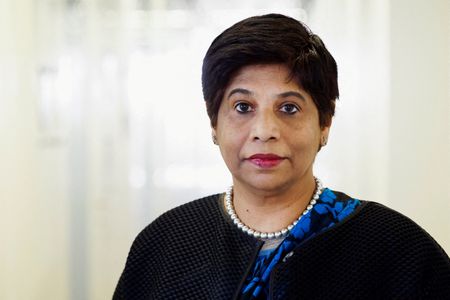
“We have got additional evidence, strong evidence, linking what is occurring in Darfur with leadership levels. And we are very, very pleased to say that this is a breakthrough for us,” said deputy prosecutor Nazhat Shameem Khan, speaking to Reuters after traveling to eastern Chad to meet with victims of the attacks.
Khan did not identify which forces the leadership belongs to, and under ICC rules, she was unable to confirm whether arrest warrants had been sought or were being pursued.
“We are confident that there are going to be results in at least a reasonable time,” she added, without specifying a timeline.
In international war crimes proceedings involving political figures, one of the biggest hurdles is establishing a direct connection between high-ranking leaders and the specific crimes carried out by those beneath them. Prosecutors must gather what is known as “linkage evidence” — typically insider testimonies or documented records showing that leadership was informed of operations and plans on the ground.
Al-Geneina and al-Fashir experienced the worst violence during the war between Sudan’s national army and the RSF, a conflict that has now stretched on for more than three years. The RSF currently controls both cities. In January, Khan told the UN Security Council that the paramilitary group had refused to cooperate with the investigation. The RSF has maintained that it did not deliberately target civilians and has pledged to hold individual wrongdoers accountable.
A Reuters documentary examining the fall of al-Fashir identified several RSF leaders who were either committing or present near attacks, based on interviews and analysis of videos shared online. Khan confirmed that ICC investigators have gathered similar testimony in their own probes.
Witnesses in those investigations described executions and acts of sexual violence. “We will ensure [their stories] are also told in the course of our proceedings,” Khan said.
Although Sudan has not signed the Rome Statute and is therefore not an ICC member, the UN Security Council granted the court authority to investigate atrocity crimes committed in Darfur starting in 2005. Sudan’s army-led government has cooperated with investigators regarding the most recent attacks, but has not surrendered several former senior officials who face accusations of genocide and other crimes from an earlier phase of the conflict. No public arrest warrants have been issued in connection with the current war, which began in April 2023.
When asked whether nations alleged to be supporting the commission of these crimes — including the United Arab Emirates, which has been named in expert filings to the court as backing the RSF — could face legal consequences, Khan explained that the court’s authority covers individuals who contribute to crimes, not nations themselves. She said the court’s current focus is on crimes committed within the two cities in order to produce concrete outcomes. The UAE has denied any involvement in the conflict.
Three nations in West Africa’s Sahel region — Niger, Mali, and Burkina Faso — announced last year their intention to withdraw from the Rome Statute. The ICC confirmed on July 1 that all three had submitted formal letters initiating that process, which takes one year to complete.
“I hope they change their minds because I see a great virtue in being part of the Rome Statute family. I think it protects the world,” Khan said.
Khan and other ICC staff are currently subject to U.S. sanctions, imposed after the court issued arrest warrants for Israeli leaders on charges of alleged war crimes and crimes against humanity in Gaza.