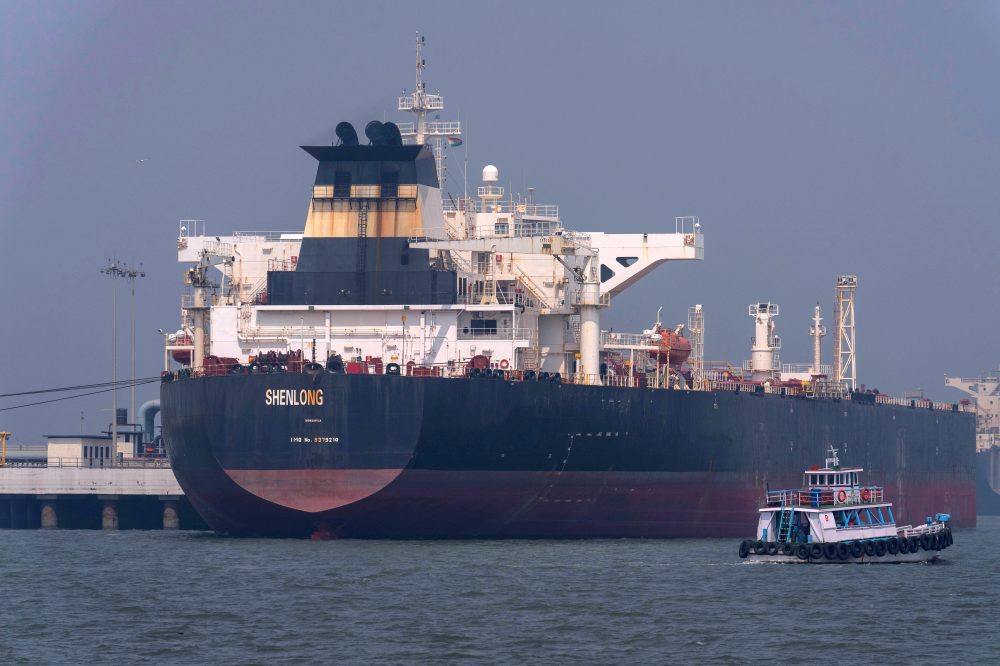

NEW YORK (AP) — The ongoing conflict between the United States, Israel and Iran has placed the Strait of Hormuz at the center of international attention once more.
Iran has brought maritime traffic through this vital waterway connecting the Persian Gulf to international waters to a near-complete standstill, blocking a crucial route for global petroleum transport. Commercial vessel attacks and additional strike warnings have prevented most tankers carrying oil, natural gas and other cargo from navigating the passage. Major oil-producing nations have also reduced output since their petroleum products cannot reach markets.
The weaponization of the Strait of Hormuz represents a recurring pattern throughout history. Maritime seizures and regional conflicts have previously created hazardous conditions for commercial vessels, sometimes severely limiting their passage capabilities. Tehran has made repeated closure threats regarding the strait when facing sanctions and diplomatic tensions over many years, though it previously avoided completely blocking maritime traffic. Despite most shipping being suspended during the present conflict, maritime tracking systems show dozens of vessels continue crossing the waterway.
Although both Iran and Oman possess territorial claims within the Strait of Hormuz, the narrow shipping lanes are considered international waters open to all maritime traffic. However, Tehran maintains substantial control over the passage through its military installations and authority over strategic islands in the region.
The current confrontation, entering its third week following U.S. and Israeli military strikes against Iran that resulted in the death of its supreme leader, has created significant energy market impacts: approximately 20 percent of global oil shipments previously transited the Strait of Hormuz before hostilities began, and supply constraints have caused fuel costs to spike dramatically.
Several historical incidents demonstrate previous disruptions or threats to Strait of Hormuz navigation.
Throughout the devastating eight-year conflict between Iran and Iraq during the 1980s, both nations targeted tankers and commercial vessels within and around the Strait of Hormuz, deploying naval mines to block traffic periodically. American forces became involved in what became known as the Tanker War — including a single-day naval engagement with Iran in 1988, followed by the accidental downing of an Iranian passenger aircraft mistaken for a military plane, resulting in 290 civilian deaths.
Complete closure of the strait never occurred. During wartime, American naval vessels provided escort protection for Kuwaiti oil tankers against Iranian assault. Nevertheless, the waterway became extremely hazardous and maritime operations faced significant disruption.
Between late 2011 and early 2012, Iran issued closure threats against the Strait of Hormuz responding to Western sanctions targeting its nuclear activities. The European Union implemented a prohibition on Iranian oil purchases — while the United States similarly sanctioned the nation’s energy industry and blocked central bank transactions. These measures subsequently discouraged other countries from purchasing Iranian petroleum.
Iran eventually softened these threats, and government officials ultimately chose not to shut down the Strait of Hormuz. Market instability and supply changes nonetheless caused oil price fluctuations. Brent crude — the global benchmark — traded above $100 throughout December 2011 and much of 2012, reaching peaks exceeding $126 per barrel in March 2012, before declining later that year.
In May 2018, during his initial presidential term, Donald Trump abandoned an Obama administration nuclear agreement with Iran and reimposed sanctions. Despite certain exemptions, Trump pledged to eventually eliminate all Iranian oil exports. Responding to this action, then-Iranian President Hassan Rouhani reiterated previous Strait of Hormuz closure threats.
Once again, Iran chose not to close the strait. Although market volatility occurred throughout the year, particularly affecting OPEC producer output, Brent concluded the year trading near $54 per barrel, declining from approximately $75 per barrel when Trump announced the withdrawal in May 2018.
American naval officials attributed a series of limpet mine attacks damaging tankers near the strait in 2019 to Iran, along with a deadly drone strike on an Israeli-connected oil tanker in 2021. Tehran rejected responsibility at the time. Regardless, such conflicts increased insurance costs and heightened shipping company concerns.
Iran also captured multiple vessels in the waterway, including several international oil tankers allegedly transporting smuggled fuel at the end of last year, according to state media reports. The country additionally seized a Portuguese-flagged cargo vessel in 2024 and detained two Greek tankers for months in 2022, among other captures. The strait remained operational throughout these incidents.
Concerns about potential Strait of Hormuz closure also intensified during last year’s 12-day Israel-Iran war, especially after American forces joined the conflict with bombing strikes on three Iranian nuclear and military facilities.
Iran did not close the strait, and oil prices avoided sustained increases. Although costs rose during the conflict’s initial days, petroleum markets actually experienced significant selling as traders questioned the probability of attacks on crude shipments. By the war’s conclusion, Brent was trading below $67 per barrel, several dollars lower than pre-conflict levels.