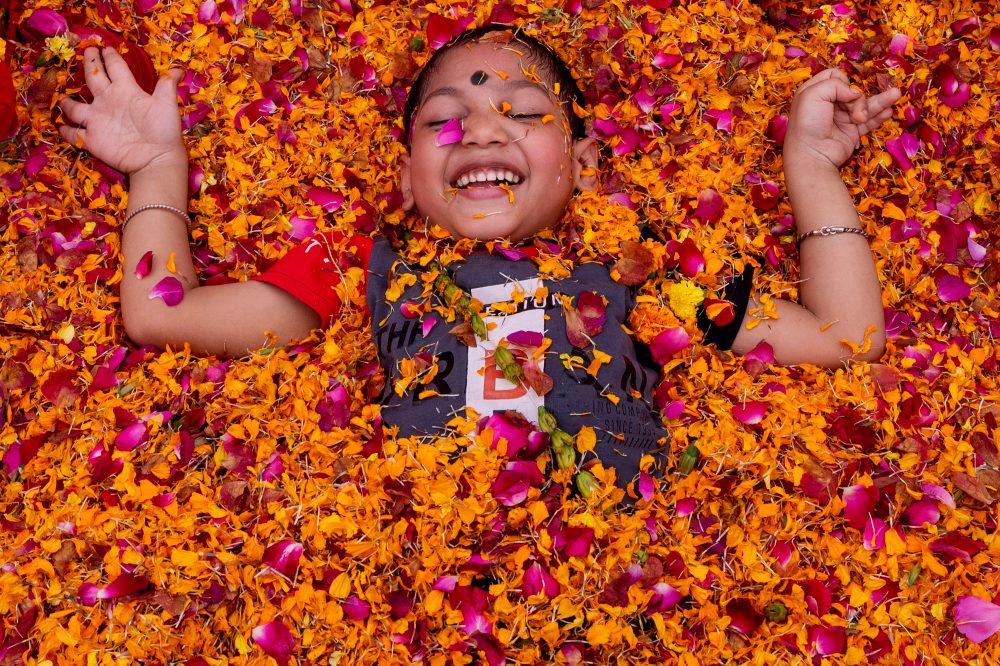

The vibrant Hindu spring celebration known as Holi brings communities together each year through colorful traditions that mark the end of winter and embrace renewal and positive energy.
This ancient festival takes place annually in March throughout India, Nepal, neighboring South Asian nations, and Hindu communities worldwide. The 2024 celebration is scheduled for March 4, timed with the final full moon of Falgun in the Hindu calendar system.
The festival’s most recognizable custom involves participants dressed in white clothing gathering in streets and public spaces to toss brightly colored powders at one another, creating spectacular displays of pigment and celebration. These gatherings feature music, traditional dancing, and special holiday foods.
Many regions begin the festivities the evening before with large ceremonial fires that represent good triumphing over evil forces. These bonfires connect to several ancient stories from Hindu tradition.
One legendary tale tells of King Hiranyakashipu, who demanded worship from his subjects but faced defiance from his son Prahlad, a faithful follower of Lord Vishnu. The angry king commanded his fire-resistant sister Holika to carry the boy into flames, but Prahlad’s devotion shielded him from harm while Holika perished despite her supposed protection.
Southern Indian communities often call the celebration Kama Dahanam, honoring the story of Lord Shiva using his third eye to destroy Kamadeva, the deity of love. This represents releasing worldly desires for deeper spiritual connection before the colorful festivities begin.
Other traditions link Holi to Lord Krishna’s playful relationship with his beloved Radha and his devoted followers known as gopikas, celebrating their pure love and dedication.
During the main celebration, entire neighborhoods fill with people launching colored powder skyward, dropping water-filled balloons from buildings, and using water guns for playful battles. Participants call out “Holi hai!” meaning “It’s Holi!” as they join the fun. Bollywood movies have helped spread awareness of these joyful scenes globally.
Each color carries special meaning during the festival. Blue honors Lord Krishna’s appearance, while green represents springtime and new beginnings. Red signifies marriage and fertility, and both red and yellow indicate good fortune in religious ceremonies.
Traditional holiday cuisine centers around gujia, a crispy fried pastry filled with sweetened milk curd, nuts, and dried fruit. Celebrants also enjoy thandai, a chilled beverage mixing almonds, fennel seeds, rose petals, poppy seeds, saffron, milk, and sugar.
Hindu communities across North America mark the occasion with Bollywood-themed parties, parades, and various public and private events. Several American temples will conduct Holika Dahan ceremonies on February 2 or 3 this year, coinciding with the full moon and a rare total lunar eclipse.
Local Hindu temples and community centers typically organize cultural programs, cricket tournaments, and other special activities to honor the holiday tradition.