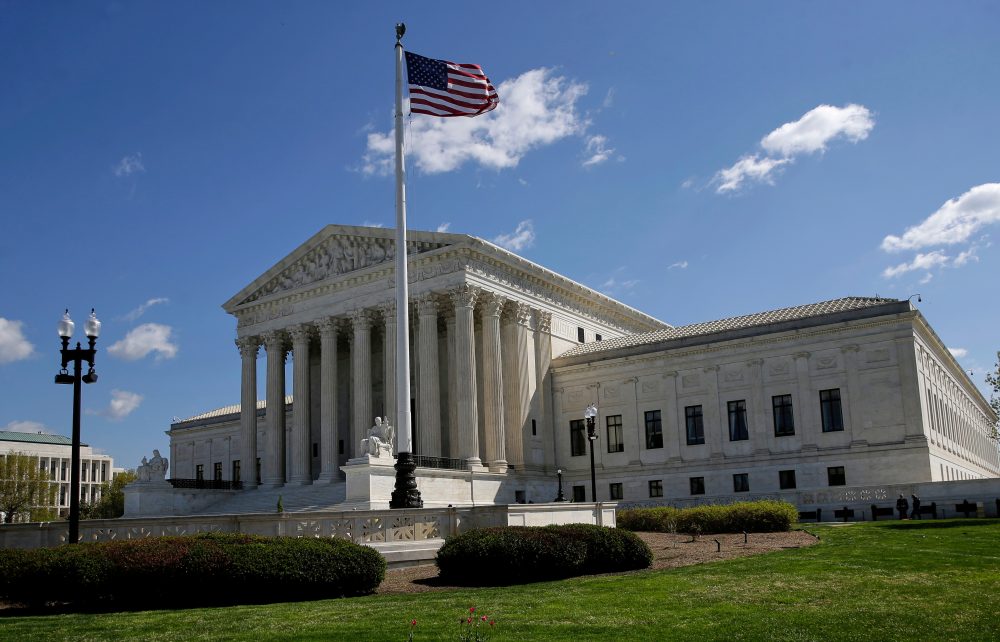

WASHINGTON — In a ruling that may reshape congressional representation nationwide, the U.S. Supreme Court eliminated Louisiana’s second majority-Black congressional district on Wednesday, determining that racial considerations played too dominant a role in its creation.
The court’s conservative justices ruled against the district currently held by Democratic Representative Cleo Fields. Chief Justice John Roberts had previously criticized the district’s unusual shape, calling it a “snake” that winds over 200 miles to connect communities in Shreveport, Alexandria, Lafayette and Baton Rouge.
This ruling significantly undermines protections found in historic voting rights legislation designed to prevent discriminatory redistricting practices. Legal experts question how much remains of Section 2, the primary tool for challenging racially biased electoral maps.
The 1965 Voting Rights Act represented a cornerstone achievement of the Civil Rights era, successfully expanding ballot access for Black Americans and combating widespread voting discrimination.
According to election law specialist Nicholas Stephanopoulos, approximately 70 of the nation’s 435 congressional districts currently receive Section 2 protections.
The justices reviewed this case twice, hearing arguments again in October. It remains uncertain whether the timing allows Louisiana and other states to redraw their maps before the 2026 midterm contests, where Republicans aim to maintain their narrow House majority.
President Donald Trump has already initiated nationwide redistricting efforts designed to benefit Republican candidates.
State legislatures can already create heavily partisan districts following a 2019 Supreme Court ruling that removed federal oversight of such practices.
This decision reverses course from a similar Alabama case decided less than three years ago, which resulted in new congressional boundaries that elected two Black Democrats to the House.
That Alabama ruling also led Louisiana legislators to establish their second majority-Black district. Black residents comprise roughly one-third of Louisiana’s population and now hold majorities in two of the state’s six congressional seats. Alabama maintains a separate appeal before the Supreme Court.