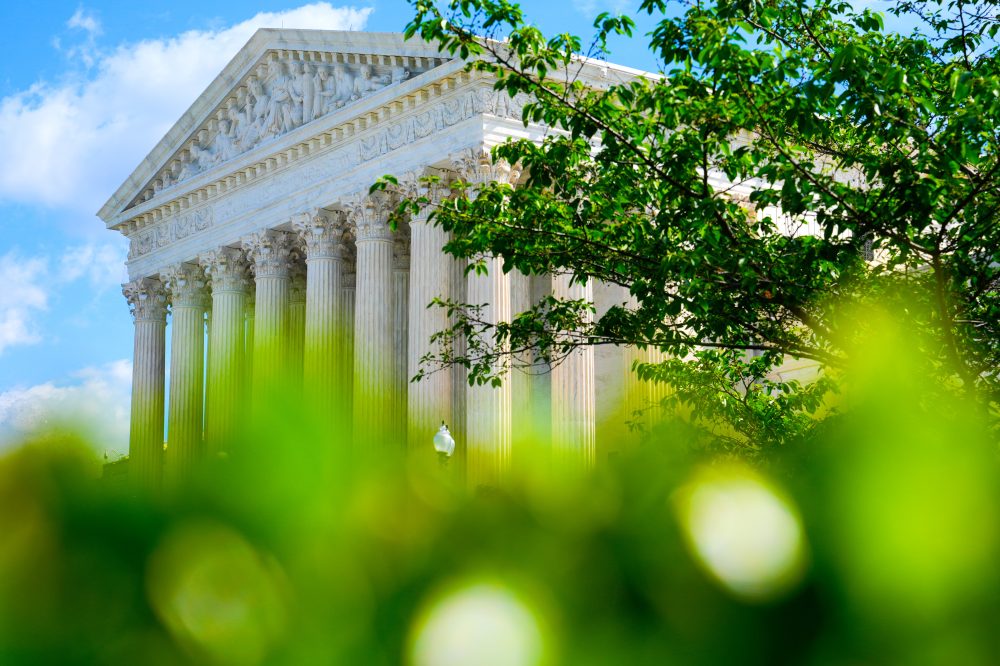

WASHINGTON — In a unanimous decision Wednesday, the U.S. Supreme Court ruled in favor of a faith-based pregnancy center that claimed a New Jersey state investigation violated their constitutional rights.
The nation’s highest court delivered a procedural win for First Choice Women’s Resource Centers, which has been fighting a New Jersey probe into whether the organization misled clients to prevent them from seeking abortions.
While the conservative-dominated court has delivered several major victories to abortion opponents in recent years — including the landmark 2022 decision that eliminated the constitutional right to abortion — this case drew unusual support from across the political spectrum. Even the American Civil Liberties Union, which advocates for abortion access, backed First Choice’s constitutional arguments.
Wednesday’s ruling allows the organization to challenge a state subpoena in federal court, though it doesn’t settle the core dispute.
Alliance Defending Freedom attorney Erin Hawley, who represented the group, said they’re prepared to pursue the matter in federal court if New Jersey’s attorney general decides to “continue these efforts on remand.”
These facilities, commonly called “crisis pregnancy centers,” have expanded across the country as Republican-led states implement abortion restrictions and direct public funding toward the centers. The facilities typically provide pregnancy services while encouraging women to continue their pregnancies.
Meanwhile, Democratic-controlled states have launched investigations into whether these anti-abortion facilities deceive women, sometimes by suggesting they provide abortion services when they don’t.
New Jersey’s then-Attorney General Matthew Platkin issued a subpoena demanding donor information and other records from First Choice.
The organization fought back, claiming the investigation lacked merit and that demanding donor lists violated their constitutional rights to free expression and association. When they attempted to challenge the subpoena in federal court, both a trial judge and appeals court determined the case wasn’t ready for federal review.
That led First Choice to petition the Supreme Court.
The organization contended that federal court access is crucial when government officials are accused of overstepping their authority. The ACLU supported this position, arguing that subpoenas targeting donor information can intimidate supporters.
New Jersey countered that the information would only be used to determine if donors were misled about the center’s services. The state also argued the subpoena couldn’t violate First Amendment rights since no information had actually been turned over yet.
Enforcing the subpoena requires a court order, and the judge handling the case has only directed both parties to negotiate so far.
New Jersey also warned that permitting First Choice to sue could trigger numerous lawsuits from the thousands of organizations that receive similar subpoenas.
The Trump administration supported First Choice’s position. The Justice Department maintained that any impact would be limited since the ruling would only affect organizations with comparable First Amendment claims.