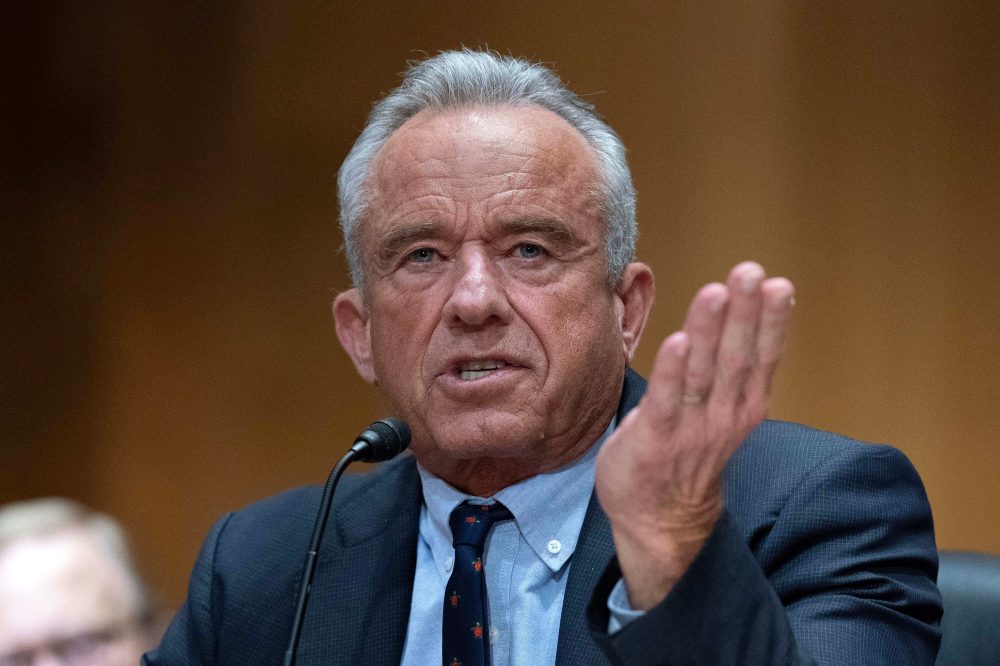

During multiple congressional hearings, Health Secretary Robert F. Kennedy Jr. consistently pushed back against lawmakers who mentioned Medicaid reductions included in President Donald Trump’s comprehensive 2025 tax and spending legislation.
Democratic representatives expressed worries about potential impacts on rural medical facilities and the possibility of vulnerable populations losing healthcare coverage during budget discussions. Kennedy repeatedly interjected to dispute the existence of any reductions.
“There are no cuts to Medicaid,” Kennedy stated. “We are increasing Medicaid spending by 47% over the next 10 years. Increasing spending by 47%. How is that a cut? That is only a cut in Washington, D.C.”
Healthcare policy specialists characterize Kennedy’s statements as misleading political rhetoric, noting that natural spending increases driven by demographic shifts and healthcare cost inflation don’t eliminate the reality of funding reductions.
Trump’s legislation from last year implemented substantial Medicaid modifications, including new employment requirements and eligibility adjustments, to help compensate for revenue losses from extensive tax reductions and additional spending. These changes are projected to reduce the healthcare program’s expenditures by approximately $1 trillion across ten years.
Kennedy’s position relies on projections showing year-over-year Medicaid spending growth over the coming decade, arguing this proves no reductions occurred. His team referenced a February Congressional Budget Office analysis demonstrating 47% growth across ten years to support this stance.
However, policy analysts clarify that without the tax and spending legislation, Medicaid expenditures would have experienced greater growth.
“This is an old, sort of tired argument that’s been used by conservatives to justify spending cuts by saying, well, if spending is still growing in nominal terms, somehow there wasn’t a cut,” explained Edwin Park, a research professor at Georgetown University. “The federal government is spending nearly a trillion dollars less than it otherwise would have in the absence of the legislation.”
Sara Rosenbaum, professor emerita at George Washington University’s public health school, noted Kennedy’s assertions represent a familiar pattern from Medicaid critics throughout her five-decade career studying the program.
“It’s absurd,” Rosenbaum stated. “They cut a trillion dollars.”
Republicans and the Trump administration defend the Medicaid changes as essential for eliminating fraudulent use of government resources by ineligible individuals. They frame these modifications as part of their healthcare fraud prevention efforts to improve program affordability.
“To be clear, HHS is taking steps to ensure Medicaid serves those it is intended to support,” said Department of Health and Human Services spokesman Andrew Nixon. “These actions are not cuts — they are focused on addressing waste, fraud, and abuse to better position the program for those who rely on it.”
Park warned that the legislation’s stricter enrollment processes would also impact qualified Americans, leading to “many more uninsured people, and people going without needed care.”