
A United Nations human rights specialist believes Haiti now has its best opportunity to combat widespread gang violence, thanks to an expanded international security force beginning deployment and leadership committed to offering alternatives to young gang members.
William O’Neill, the UN’s human rights expert for Haiti who recently visited the country, stated Monday that “We’re in a place now where the next few months are going to be crucial.” He added, “And I think it can turn around, because the gangs, at the end of the day, are not that powerful.”
The UN Security Council authorized a significantly larger 5,550-member force on September 30th through a US-Panama sponsored resolution, granting expanded authority to combat escalating gang violence in Haiti. This initiative aims to transform the existing Kenya-led multinational force, which arrived in June 2024 with approximately 1,100 troops, into a “gang suppression force” with arrest powers that the current mission lacks.
O’Neill informed UN reporters that support operations and other components of the gang suppression force are already establishing themselves in Haiti, with initial troop deployments scheduled for early April. Additional contingents will arrive in subsequent months, with the complete force expected to be operational by September. Several units from the current Kenya-led mission, including forces from El Salvador, Guatemala and Jamaica, are anticipated to remain.
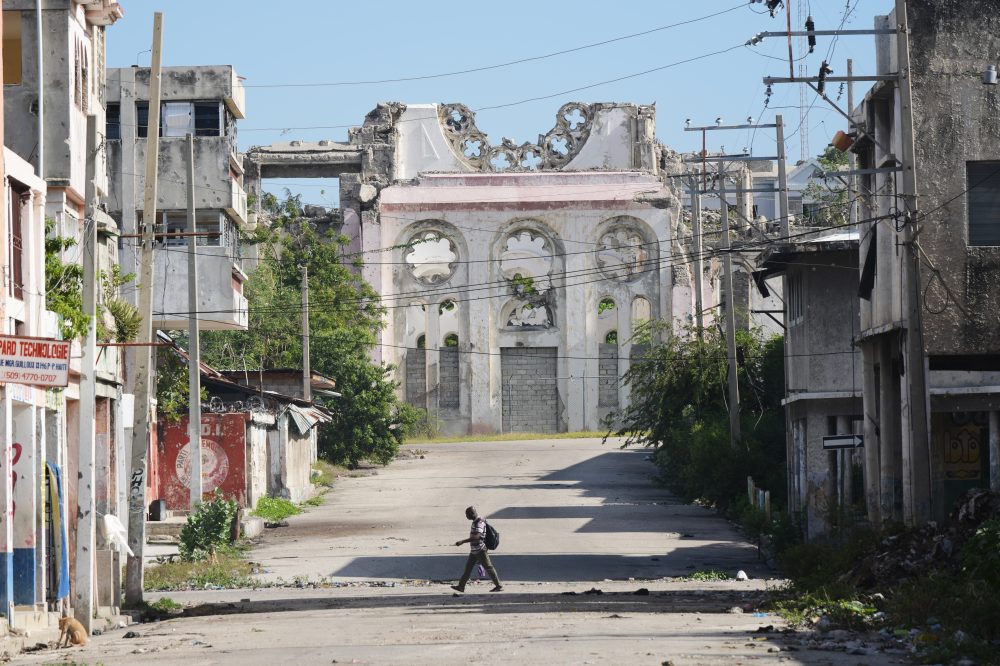
Gang influence has expanded dramatically following President Jovenel Moïse’s 2021 assassination. These criminal organizations now dominate 90% of Port-au-Prince, the capital, and have extended their operations throughout rural areas, engaging in theft, kidnapping, sexual violence and rape. Haiti has remained without a president since the assassination, while Haitian police and the UN-backed multinational force have been unable to contain the violence.
O’Neill called on the UN Security Council to implement sanctions against additional gang leaders and corrupt officials and business leaders connected to criminal organizations. He emphasized that stopping the weapon flow, primarily from the United States, is crucial because “the gangs literally run out of bullets, and they lose their strength.”
The Haiti specialist, appointed by the UN high commissioner for human rights, expressed frustration that nearly five years after Moïse’s death, gang power has continued growing. However, he now feels “more than hope” with the incoming gang suppression force and a prime minister leading a Cabinet focused on delivering results for citizens, particularly creating opportunities for youth and gang members.
Currently, he noted, gang leaders constantly use social media to display expensive jewelry and designer athletic clothing while boasting about their activities. “Kids see this and they say, ‘That’s how I become rich, that’s how I become a big shot.’”
However, O’Neill referenced a disturbing video released recently showing a gang leader using a baseball bat to attack 10 to 15 young boys lying on the ground because they were suspected of attempting to leave the gang territory.
He suggested that removing several key gang leaders could significantly impact violence reduction, as others motivated by money and power would receive a clear message.
“Haiti is facing a difficult yet promising moment. If we can help Haiti address insecurity, fight corruption and impunity and protect human rights, then everyone will prosper,” O’Neill concluded. “We just can’t let them down.”