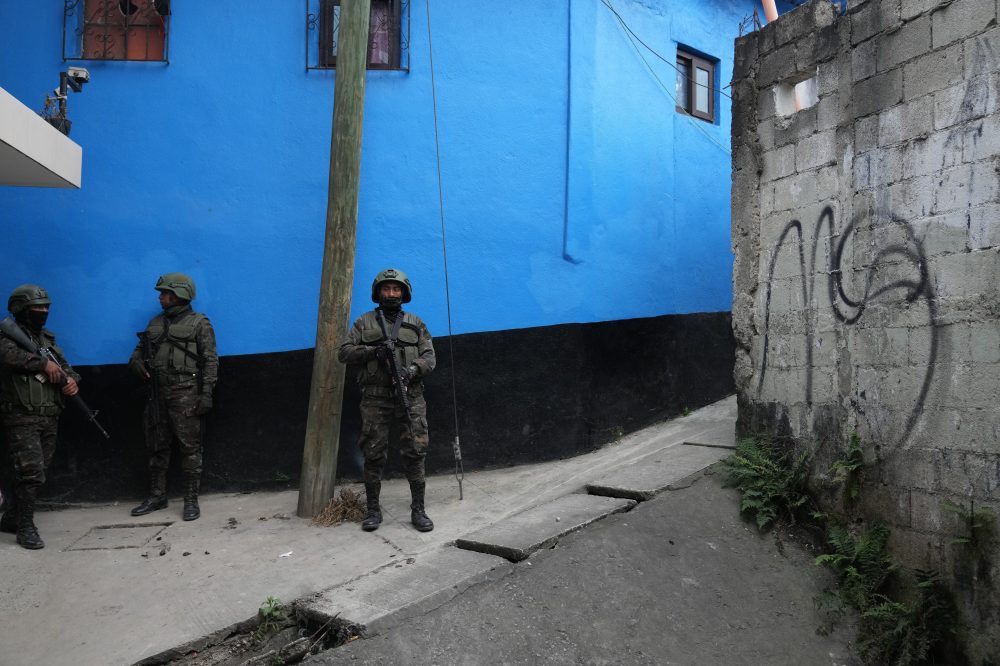

GUATEMALA CITY — Guatemalan officials concluded their state of emergency on Monday, bringing to a close a month-long period of expanded government authority that began after gang members murdered 10 police officers.
President Bernardo Arévalo had requested the extraordinary powers following the deadly attacks on law enforcement personnel by suspected criminal organization members.
During the emergency period, certain constitutional protections were suspended, giving law enforcement the ability to detain suspects without obtaining judicial warrants. These expanded arrest powers will end as the country transitions to less severe security measures beginning Tuesday, though Arévalo has not specified the exact nature of these upcoming policies.
Unlike the emergency declaration, the replacement security measures will not need legislative approval or periodic extensions.
Speaking on Sunday, Arévalo reported that law enforcement had detained 83 gang members throughout the emergency period. He also claimed that both murder rates and extortion complaints had decreased compared to the corresponding timeframe from the previous year, though he did not release specific statistics.
Guatemala’s temporary emergency powers stand in sharp contrast to the extended extraordinary measures in neighboring El Salvador, where President Nayib Bukele has maintained similar anti-gang authorities through monthly legislative renewals for almost four years.
The deadly attacks on Guatemalan police occurred in January when criminal groups struck back at law enforcement following government efforts to suppress uprisings at three correctional facilities.