
MADISON, Wisconsin — A frank evaluation of Republican setbacks in this week’s elections came directly from within the party’s own ranks.
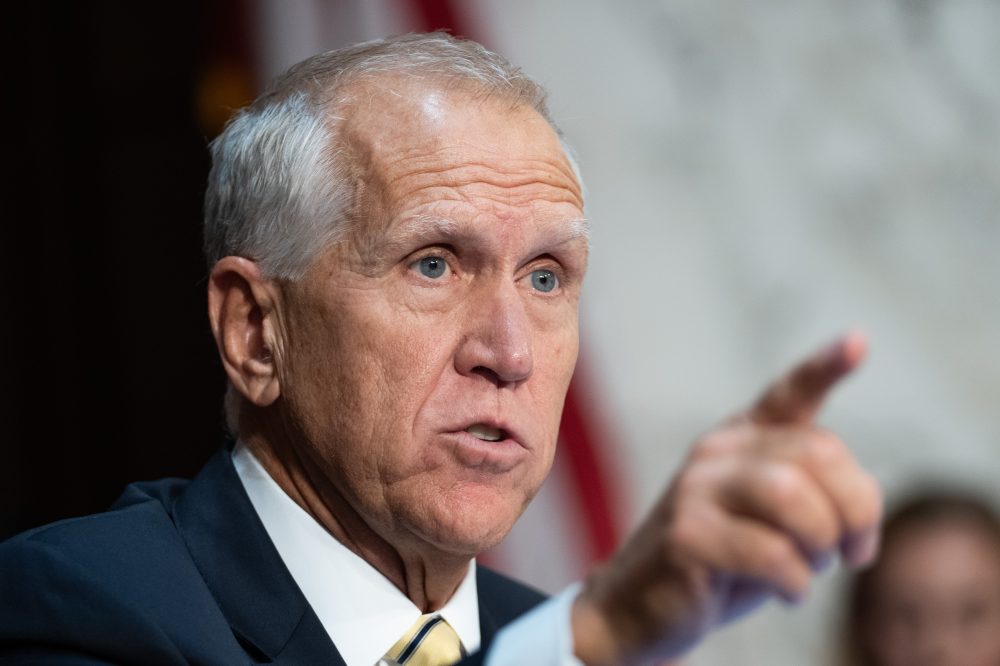
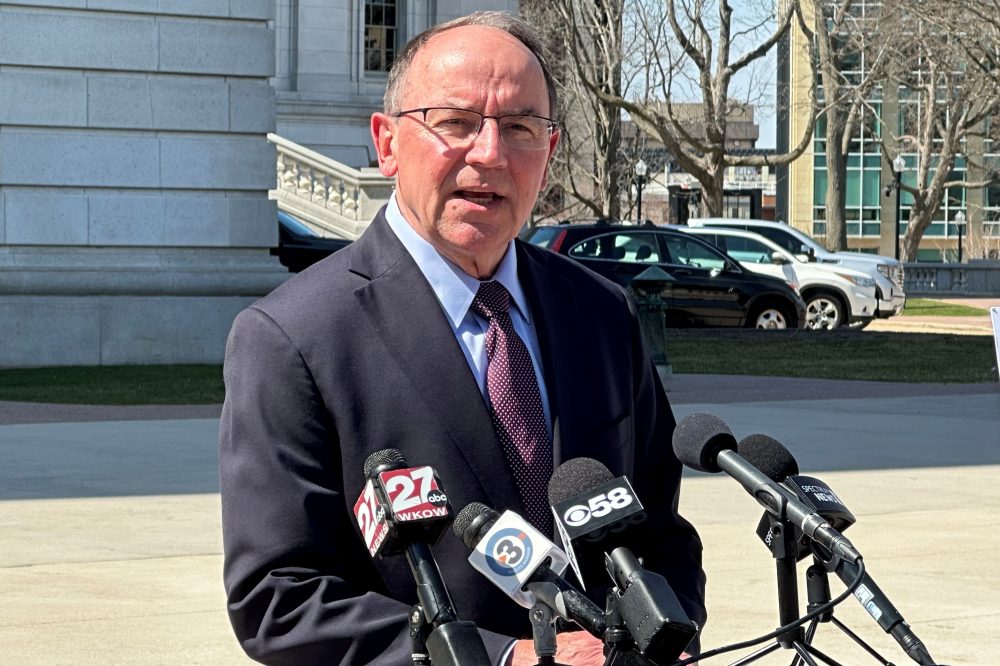
“We got our butts kicked,” stated U.S. Rep. Tom Tiffany, who is seeking the governor’s office.
Tiffany’s comments addressed Democratic wins in Wisconsin’s Supreme Court race and the mayoral contest in Waukesha, a traditionally conservative Milwaukee suburb. Republicans also expressed concern about a Georgia special congressional election, where their nominee won by a significantly narrower margin than the party has historically achieved.
These electoral shifts from Republican to Democratic control provide additional evidence of building Democratic energy as November’s midterm elections approach, with control of both chambers of Congress and numerous state governments at stake.
“In rural, urban, red, blue, Democrats have overperformed everywhere,” stated Jared Leopold, a Democratic consultant whose clients include Keisha Lance Bottoms, a candidate for Georgia governor. “That is a significant canary in the coal mine about what November of ’26 is going to look like.”
While some Republicans maintained there was no cause for alarm, noting their fundraising advantages over Democrats, others acknowledged challenges. Georgia strategist Stephen Lawson said “the sky is not falling.”
However, Lawson also acknowledged his party is trailing historical performance levels and Republicans must be “looking at these results carefully.”
Although special elections are often unreliable political indicators, Democrats have repeatedly shown unexpected strength. They captured a Texas state Senate district and secured a Florida state House seat in an area that encompasses President Donald Trump’s Mar-a-Lago resort in Palm Beach.
Tuesday’s results in the race to fill Greene’s seat, who left Congress in January following disagreements with Trump, showed continued Democratic gains.
Republican candidate Clay Fuller won by 12 points. In comparison, Greene had secured victory by 29 points two years earlier, and Trump carried the same district by nearly 37 points.
“That’s a red alarm for Republicans,” stated Democratic strategist Meredith Brasher.
Fuller defeated Shawn Harris, who intends to challenge him again in November.
Jackie Harling, the district’s Republican chairwoman, attributed Greene’s departure to energizing Democrats while her party experiences “election fatigue.”
“Marjorie Taylor Greene was like a freight train that you couldn’t stop, and when she pulled out, it gave Democrats hope and it gave them a shot at winning something they believed was unwinnable,” Harling stated.
Georgia faces important races this year, including an open gubernatorial contest. Democratic Sen. Jon Ossoff is also defending his seat.
There are indications that brewing dissatisfaction could work against Republicans just two years after Trump channeled voter frustration in his presidential comeback campaign.
In November, Democrats ousted two Republican incumbents in statewide Public Service Commission races, which oversee utility regulation. Increasing electricity costs have become a campaign issue, particularly as massive data centers are constructed to support artificial intelligence.
Georgia Democratic Party Chair Charlie Bailey is working to keep expectations realistic.
“We could cement ourselves, put ourselves, on the slightly bluer side of purple,” he stated. “We’re not going to overnight turn into Colorado.”
Wisconsin conducts statewide supreme court elections, and liberals increased their majority with a decisive 20-point victory Tuesday.
Democrats made gains across red, blue and purple counties compared to last year’s judicial race, which was also won by the liberal candidate.
“This to me was a very clear sign of momentum and enthusiasm for Democrats in the fall,” stated Wisconsin Democratic Party Chairman Devin Remiker.
The state has its own open gubernatorial race this year, with Democrats hoping to gain legislative control and defeat Republican U.S. Rep. Derrick Van Orden.
“It’s time for us to put this thing in overdrive,” stated Mandela Barnes, a Democratic former lieutenant governor seeking the governor’s office.
Milwaukee County Executive David Crowley, another Democratic gubernatorial candidate, said it’s evident that “people are really upset with the Republican Party and their brand right now.”
“But that doesn’t mean that they’re automatically going to come over to the Democrats,” Crowley stated. “And that’s why we have to continue to focus on the issues and speak to the values of all the voters here in the state of Wisconsin.”
Tiffany, the Republican gubernatorial candidate in Wisconsin, warned against overinterpreting Tuesday’s outcomes.
He stated “every election is unique,” and wasn’t modifying his campaign strategy. He said winning requires painting “that clear contrast of how we are going to help everyday Wisconsinites.”
Democrats appeared to be gaining ground, including in Waukesha. The city sits outside Milwaukee in the Republican stronghold of Waukesha County.
Democrat Alicia Halvensleben, president of the city’s Common Council, defeated Republican Scott Allen, among the state Assembly’s most conservative members.
She noted Trump came up “a lot” during her campaigning, though she believes her victory centered on local issues and the state legislature’s failure to address them.
“There’s so much uncertainty at the national level,” Halvensleben stated. “I think that level of uncertainty is causing people a lot of anxiety, all the way down to the local level.”