
Global energy markets are experiencing their most severe disruption since the 1970s crisis, as oil prices have surged dramatically following escalating conflict in the Middle East.
Brent crude oil opened above $100 per barrel Monday morning and continued climbing, reaching a peak of $119.50. This represents a staggering 25% increase that analysts say could mark the largest single-day jump in oil prices ever recorded. Since President Trump authorized military action against Iran, crude prices have climbed an extraordinary 60%.
Market experts warn these price levels typically signal an approaching global recession. While today’s economy relies less heavily on oil than in previous decades, and alternative crude sources exist, analysts believe current supplies cannot sustain a prolonged military conflict.
The situation appears headed for an extended standoff. Trump’s demand for “unconditional surrender” combined with Iran’s selection of the former hardline supreme leader’s son as the new hardline supreme leader makes compromise unlikely for either nation.
Maritime tracking data reveals oil tankers are avoiding the critical Strait of Hormuz shipping route. With Iran launching military strikes throughout the region, vessels won’t attempt passage even if war-risk insurance becomes available and affordable. The supply disruption has forced Gulf nations to reduce production and exhaust storage capacity – a situation that requires significant time to reverse.
Fuel costs are rising rapidly across sectors. Europe receives approximately half its jet fuel through the strait, pushing aviation fuel to unprecedented levels equivalent to $190 per barrel.
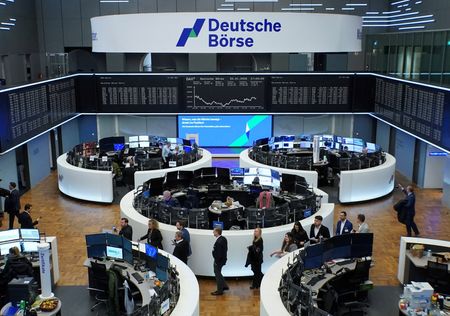
Asian stock markets plummeted Monday, with Japan’s Nikkei falling 7%, South Korea dropping 8%, and Taiwan declining 5%. European market futures show losses between 1% and 3%, while Wall Street futures indicate a 2% drop.
Government bond yields are climbing worldwide as investors prepare for accelerated inflation that could prevent central banks from implementing economic stimulus measures even during potential slowdowns.
Rising costs for liquefied natural gas, aviation fuel, and fertilizer will increase expenses for heating homes, travel, and food purchases.
American consumers face particular pressure at gas stations, where pump prices could rise 10% to 20% or higher. Such dramatic increases historically generate public outcry strong enough to influence military conflicts.
Monday’s key market developments include meetings with ECB board member Piero Cipollone and Eurozone finance ministers in Brussels, plus releases of investor confidence data and German industrial production figures.