
Global financial markets experienced a week of dramatic highs and volatile swings, with artificial intelligence chip demand driving stocks to record levels while Middle East conflicts sent oil prices on a roller coaster ride.
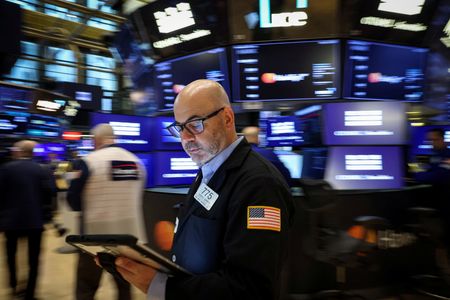
Stock indices worldwide surged to new peaks throughout most of the week before experiencing modest declines Thursday. The primary catalyst remained the artificial intelligence semiconductor surge, which continues gaining momentum without signs of slowing.
The week began with significant drama when President Trump’s “Project Freedom” initiative temporarily launched, designed to guide stranded vessels through the Strait of Hormuz. Iran responded forcefully, attacking ships in the Gulf and igniting a UAE oil facility, pushing crude prices up 6% by Tuesday.
However, oil markets reversed course Wednesday following reports of a new U.S. peace proposal and optimistic remarks from President Trump about reaching a quick resolution.
Both Brent and WTI crude fell under $100 per barrel for the first time since late April, though Brent quickly rebounded above that level as fresh combat erupted between U.S. and Iranian forces Thursday.
Even if the latest U.S. peace initiative ultimately achieves lasting peace and strait reopening – a significant uncertainty given that current plans reportedly leave major disputes unaddressed – the energy crisis may persist due to widespread disruption, particularly across Asia.
Domestically, U.S. energy exports continue climbing, providing global market relief during the crisis, but this trend is depleting domestic fuel reserves, potentially harming American consumers already facing higher gas station prices.
Despite Middle Eastern turbulence, investors focused primarily on the AI chip explosion, including upgraded AI investment forecasts. Morgan Stanley projects the top five hyperscalers’ capital expenditure growth will exceed $800 billion this year and $1.1 trillion next year, while Goldman Sachs anticipates cumulative spending could reach $7.6 trillion by 2031.
These projections propelled global semiconductor companies to extraordinary heights. U.S. giant AMD shares jumped 15% Wednesday to an all-time peak after forecasting above-expected revenue driven by strong AI chip demand. Asian markets showed equally impressive movement, with South Korea’s SK Hynix beginning the week with a 13% Monday surge.
This technology rally guided indices to fresh records throughout the week, particularly in Asia. South Korea’s KOSPI crossed 7,000 for the first time Wednesday as Samsung’s market capitalization reached $1 trillion. Despite late-week stock declines following renewed U.S.-Iran military confrontations, Asian markets remained positioned for substantial weekly gains.
The enthusiasm will likely reignite discussions about whether markets are entering an AI-powered super bull market or witnessing dangerous overvaluation leading to inevitable correction. Questions also arise about emerging market stocks’ surprising strength.
Government bonds faced pressure this week, with U.S. long bond yields touching 5% before retreating, attracting buyers despite investor concerns about multiple risk factors.
UK gilt yields remained elevated throughout the week. Their future direction may depend on how Thursday’s UK local elections impact Prime Minister Keir Starmer’s leadership position within the governing Labour Party. Early results confirmed widely anticipated Labour losses across many councils, but Starmer declared Friday he would not resign. Sterling strengthened while gilt yields declined.
Regardless of Labour Party leadership outcomes, there may be lessons from Trump’s approach worth considering to avoid disrupting bond markets.
Currency markets saw the yen experience another turbulent week, repeatedly spiking against the dollar and briefly reaching 155 per dollar Wednesday. These movements could indicate government intervention, with central bank data suggesting Japan may have spent up to $32 billion supporting the currency this week, adding to an estimated $35 billion spent previously.
The dollar remained weak, surrendering nearly all post-Iran war gains. Could it fall further if the U.S. and Iran reach peace? Evidence suggests this possibility, though losses may be limited by the broader AI boom. China’s yuan strengthened to three-year highs before next week’s Beijing summit between President Trump and Chinese President Xi Jinping.
Friday’s U.S. employment report is expected to show 62,000 April job gains, down from March’s 178,000. The unemployment rate should remain steady at 4.3%, while other weekly indicators – JOLTS data, ADP private payrolls, and weekly unemployment claims – suggested labor market stability.